






 Portuguese
  Spanish


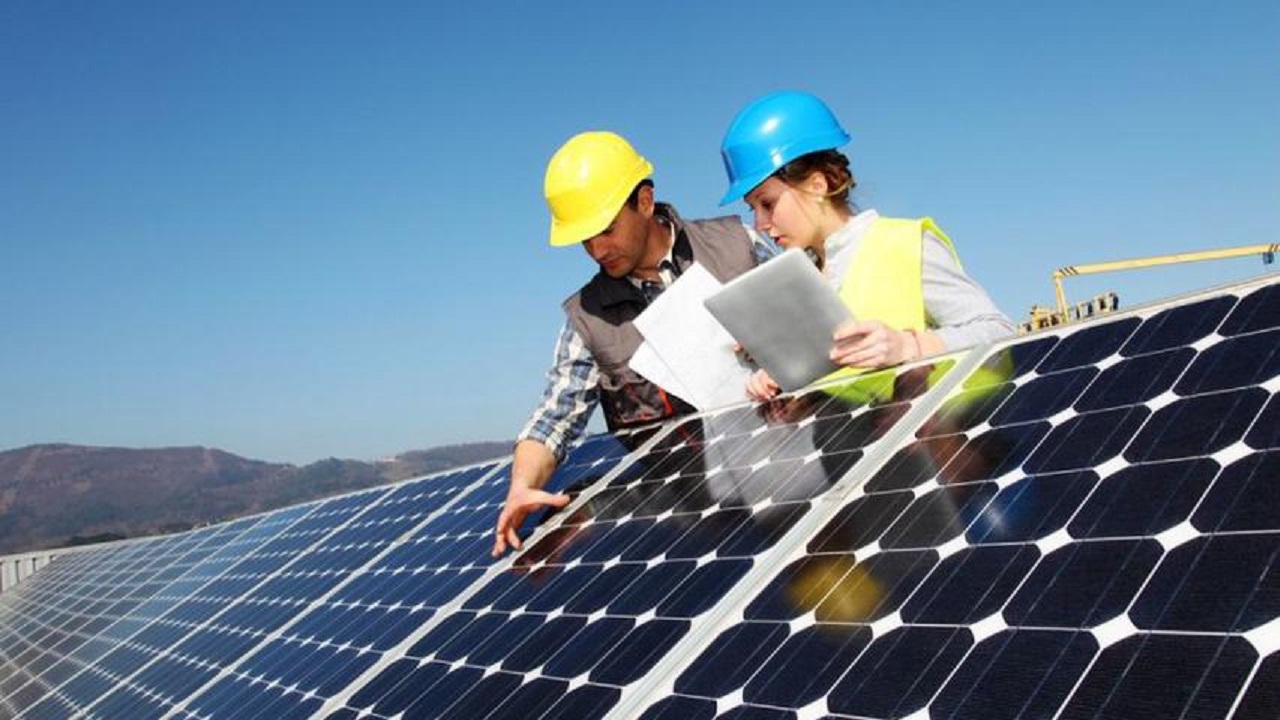

With the Aim of Encouraging the Use of Solar Energy, the Government Aims to Mandate the Use of the Source in Public and Private Undertakings. The PL is Authored by Deputy Pedro Augusto Palareti.
On May 5, Deputy Pedro Augusto Palareti (PSD-RJ) presented the PL 17072021, which is awaiting the appointment of a Rapporteur in the Ministry of Mines and Energy (CME) and provides for the mandatory implementation and use of solar energy in all new ventures to be constructed on Brazilian soil.
Read Other Related News
The Mandate for Solar Energy
The government’s PL mandates the installation of solar energy in all ventures, both public and private, currently being constructed in the country. The Bill on solar energy is progressing in the Chamber of Deputies.
The author of the proposal, Deputy Pedro Augusto Palareti (PSD-RJ), believes it is the government’s responsibility to create new means to encourage the production of solar energy and other sources of renewable and clean energy.
-
Brazilian scientists are simultaneously advancing two research projects on clean hydrogen and driving solutions that could transform the energy matrix, enhance industrial competitiveness, and accelerate large-scale emission reduction targets.

-
Advancement in renewable energy: A R$ 150 million project launched by Petrobras and Finep aims to create state-of-the-art electrolyzers for green hydrogen, strengthening national research and preparing Brazil to compete in a billion-dollar energy market.
-
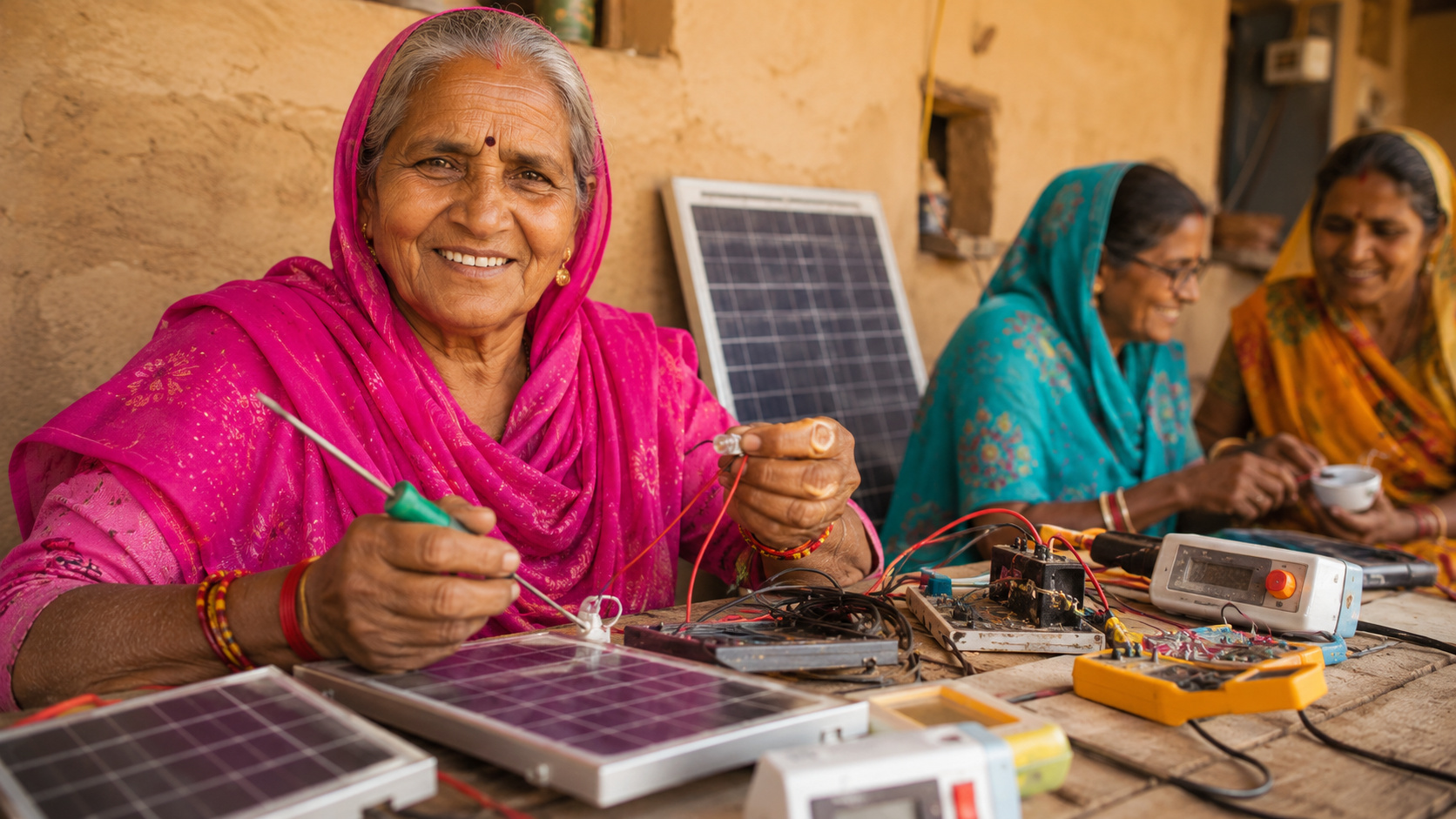
Illiterate or semi-literate grandmothers were trained to repair solar systems, open rural workshops, and light up homes that still depended on kerosene.
-
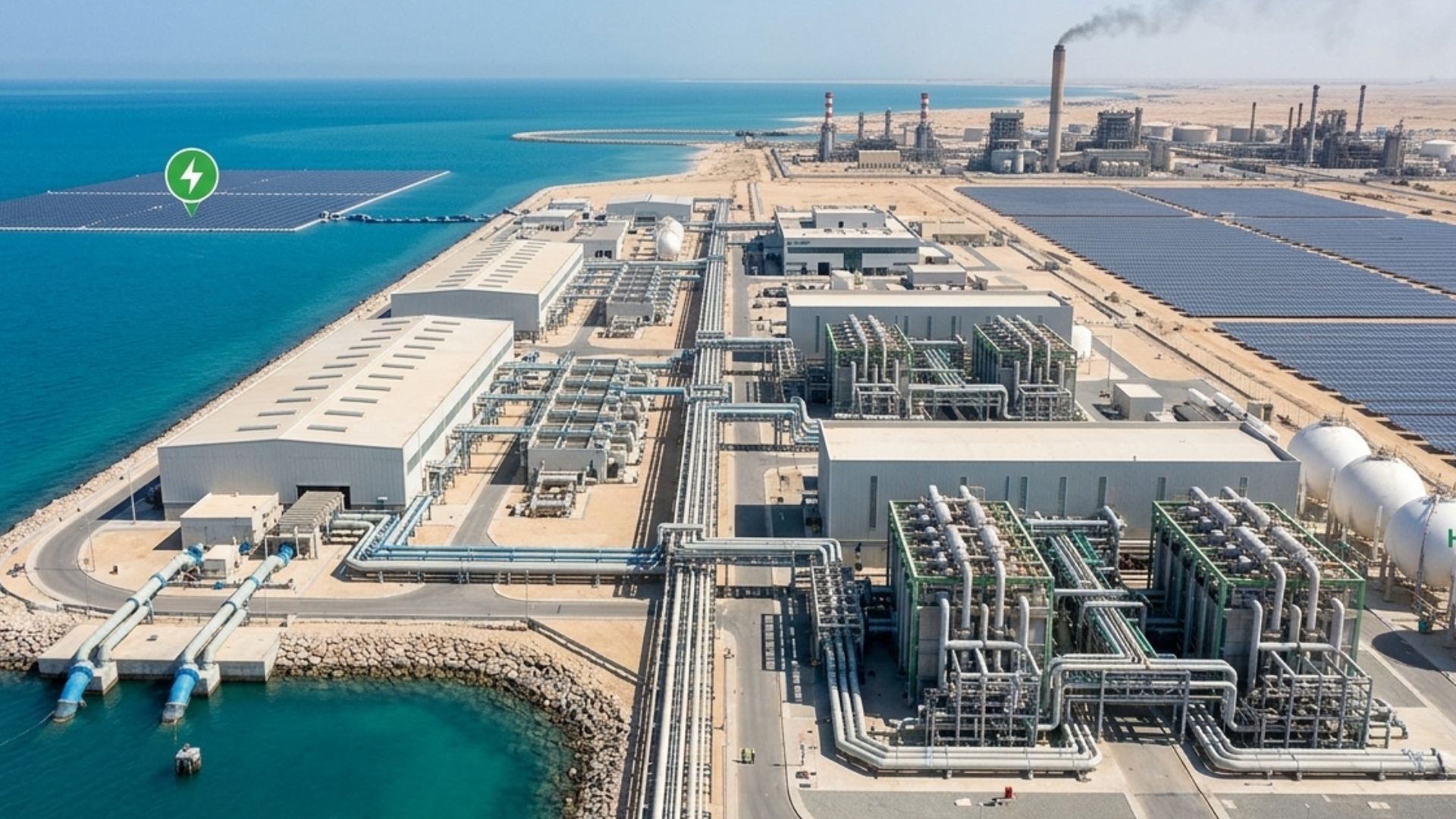
The world has bet on green hydrogen as the fuel of the future, but now faces the side effect: producing 1 kilogram requires about 9 liters of ultrapure water, and the largest projects on the planet are precisely in the driest regions of the Earth, where water is already scarce for people.



According to him, the mandatory use of solar energy in new ventures will contribute to the development of public policies in favor of the environment and its entire population. On June 4, the PL was received by the Ministry of Mines and Energy, and now it is just a matter of waiting for the process to see whether it will be approved or not by the government.
Irena Highlights the Advantages of Using Renewable Energy in New Ventures
According to the report from the International Renewable Energy Agency (Irena), in 2020, the share of ventures utilizing clean sources doubled and reached lower costs compared to projects using fossil fuels.
The study shows that the costs of non-polluting sources have decreased in recent years, with solar energy dropping by 7%, wind energy by 9%, and offshore wind by 13%.
According to Irena, renewable sources are surpassing the operational costs of coal plants, and the forecast is that emerging countries will have a savings of US$ 156 billion with ventures in solar, wind, and other clean energy sources.
How Does the Processing of a PL Work?
A bill – PL can be presented by anyone in the political field and even by citizens. They begin their processing in the Chamber and are reviewed by the Senate, which functions as a Revising House.
The projects are distributed among committees according to the subjects they address. In addition to merit committees, there are two that analyze merit or admissibility.
Ordinary bills are approved with a majority of votes, provided a significant number of deputies is present in the Plenary. Those approved in both houses are sent to the President of the Republic to be sanctioned within 15 days.









