Portuguese
  Spanish


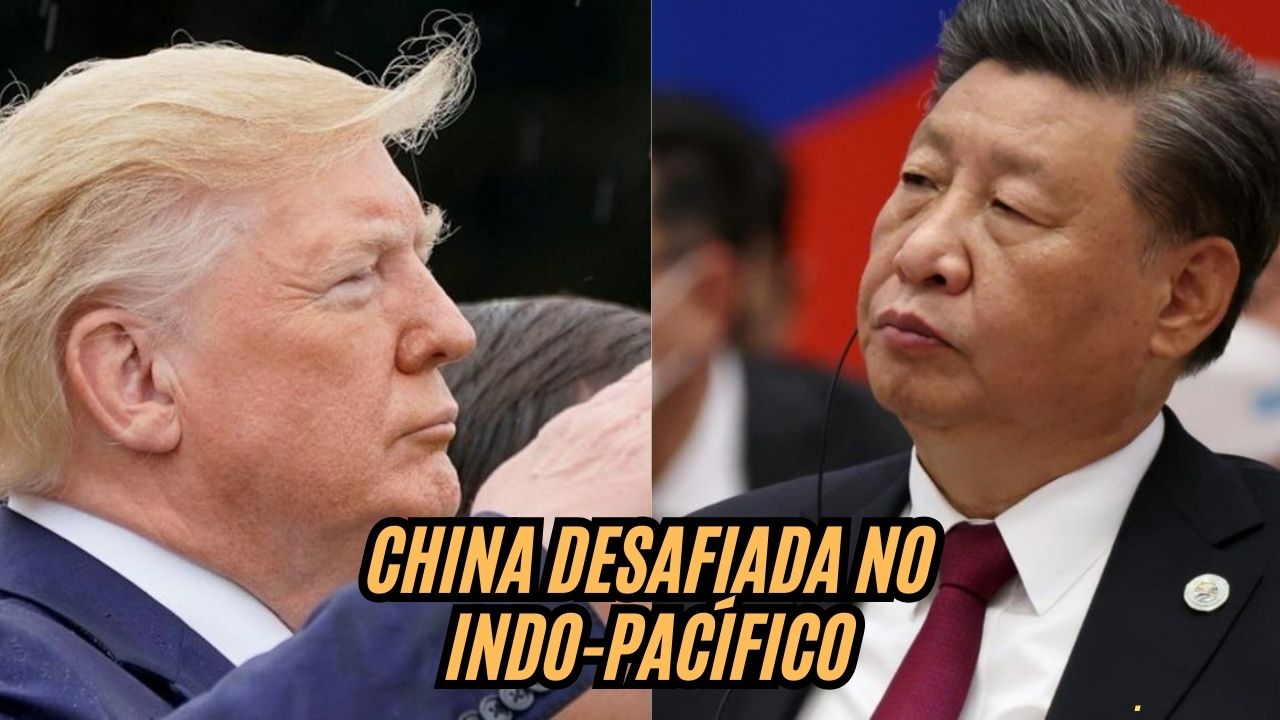

The New US President Will Face One of the Greatest Challenges of Today: Stopping the Advancement of China in the Indo-Pacific. The Strategic Competition Between the Two Powers Goes Beyond Economics, Encompassing Military, Diplomatic, and Technological Disputes.
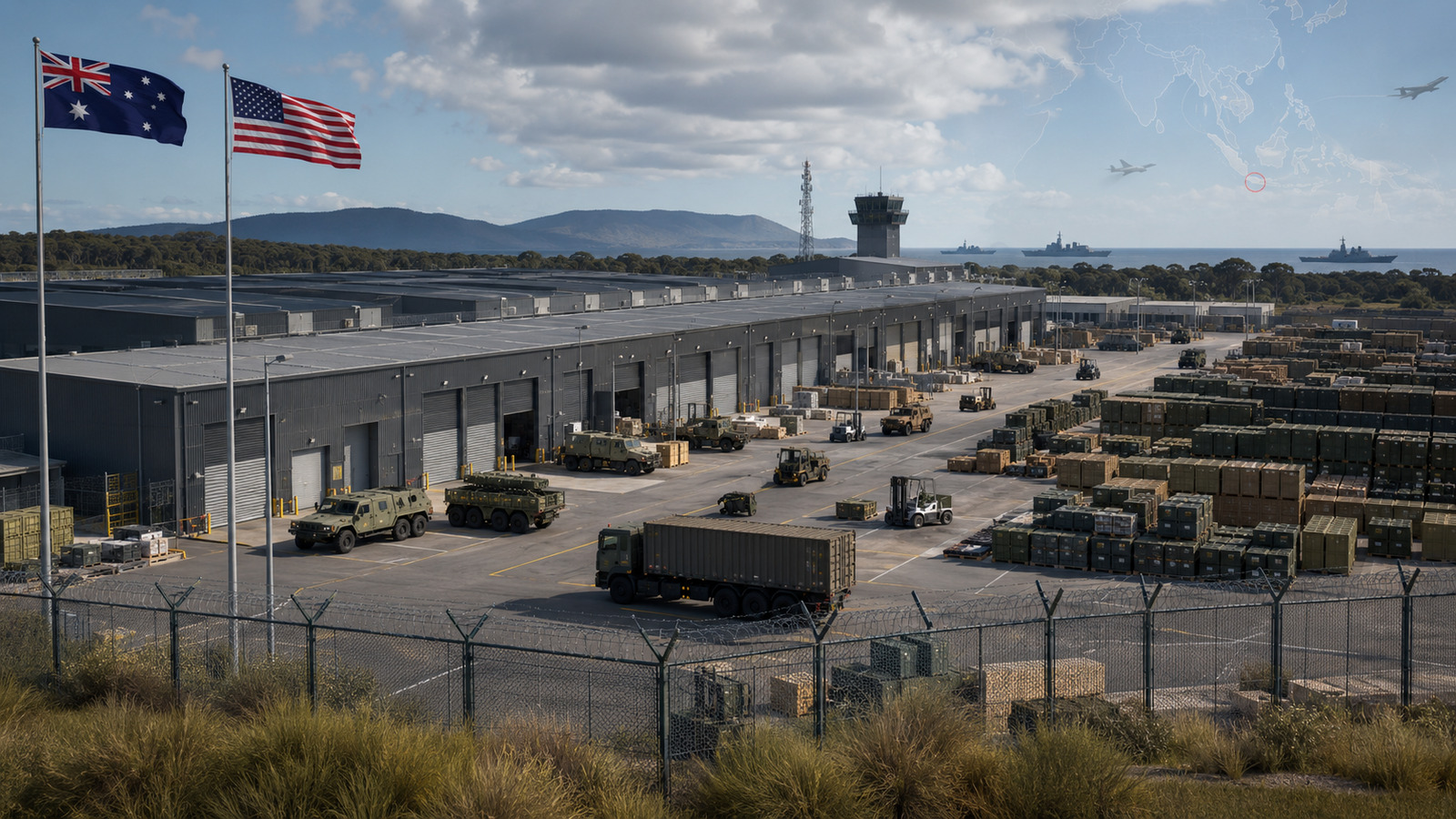
China has consolidated its position as an economic and military power in recent decades, becoming a central player in the Pacific. During Trump’s first term, the focus was on decoupling the American economy from the Chinese one and limiting Beijing’s expansionist initiatives. However, the current global dynamics require broader measures, such as strengthening the American military presence and restructuring strategic alliances with countries like Japan, the Philippines, and Taiwan.
The “Pivot to Asia” strategy, initially proposed by Barack Obama, is gaining momentum again. Trump may be the president who finally implements this plan more robustly, prioritizing the Indo-Pacific as a central area of American foreign policy.
The Role of Taiwan in Containing China
Taiwan emerges as a key player in containing China in the Pacific. In addition to its technological relevance, the island acts as a strategic barrier against Chinese expansion. The protection of Taiwan, through strengthening the “first island chain,” will be central to the new American administration. Trump may adopt multidomain operations, integrating land, air, and naval forces in the region to hinder Chinese movements.
-
European Parliament Approves Digital Euro, Aiming to Challenge Visa and Mastercard’s Dominance and Transform Payments Across Europe by 2029

-
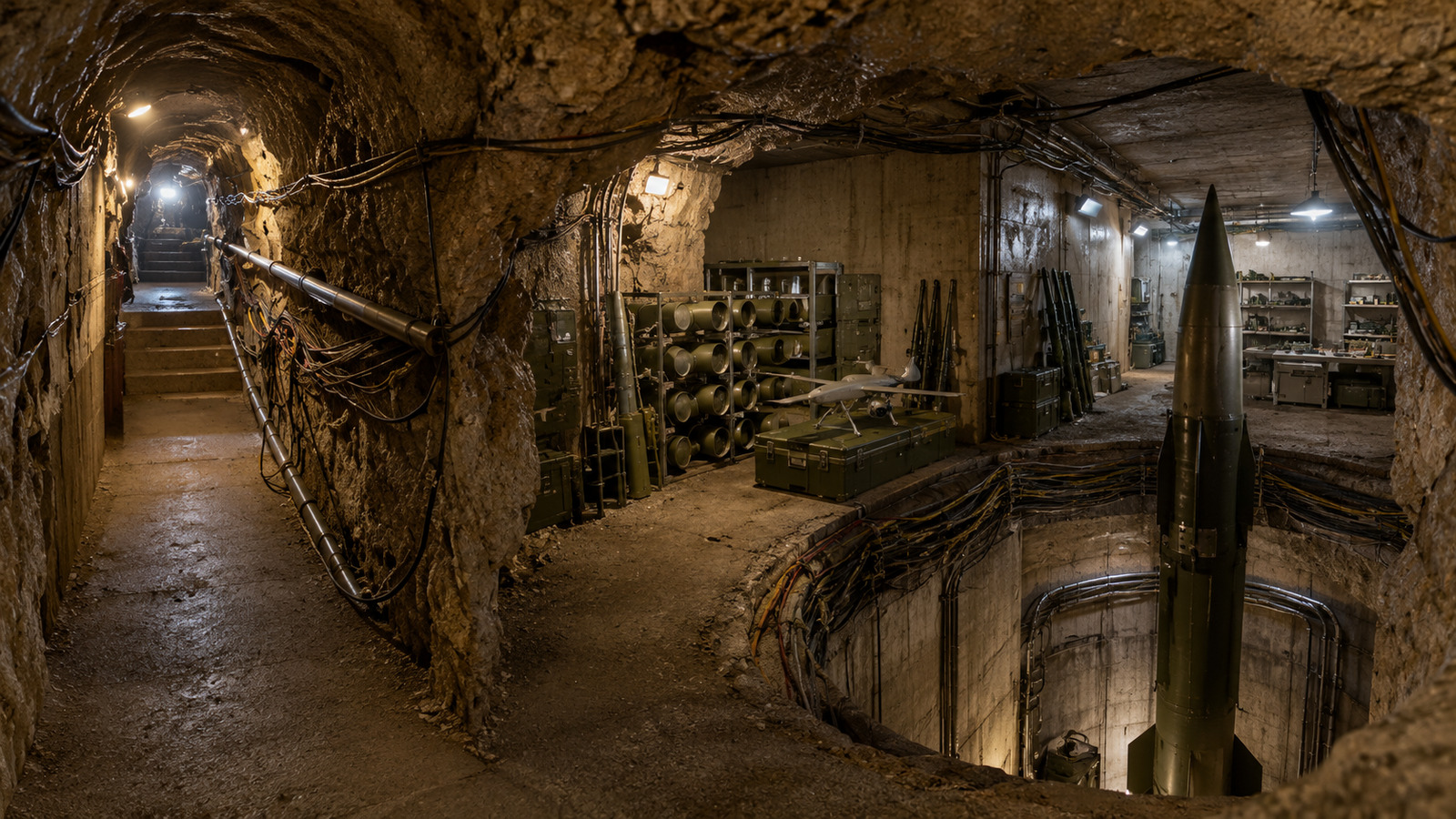
Israel finds Hezbollah militarized tunnel over 200 meters long under village, with 4 missile launch shafts, 12 chambers, anti-tank missiles, drones, and weapons depots at a depth of 25 meters.

-
Ukraine launches largest drone attack on Moscow since 2022, Russia claims to have intercepted nearly 200 aircraft near the capital, Kapotnya refinery targeted again, and offensive reignites alert about war reaching the Russian energy heart just a few kilometers from the Kremlin.

-
Truck drivers, freight, and fines from 2022 take center stage in politics: Chamber approves MP with amnesty, mandatory tracking by CIOT, million-dollar penalties, and new minimum wage for those who spend more than 24 hours on the road.


Abandoning Taiwan would be a diplomatic and military disaster for the US, facilitating Chinese control over the South China Sea and jeopardizing global trade routes.
Challenges for the New US President
The new US president will face difficult choices. To prioritize the Indo-Pacific, it will be necessary to reduce involvement in other regions, such as Europe. Despite the ongoing commitment to NATO, Trump has already shown frustration with the European stance on military spending, which may open space for greater focus on Asia.
Moreover, the American Navy will need significant transformations to compete with the growing Chinese naval power. The investment in advanced technologies, such as autonomous vehicles and surveillance systems, will be essential to maintaining strategic leadership in the region.
The Future of Strategic Competition
Containing China will shape the future of global geopolitics. Tensions in the Indo-Pacific may rise, directly impacting international trade and increasing the risks of conflict. However, the success of this strategy will depend on balancing the containment of China and strengthening regional alliances, without neglecting other global commitments.
The new US president will bear the responsibility of leading this complex scenario, where every move can redefine the course of international relations in the coming years.