






 Portuguese
  Spanish


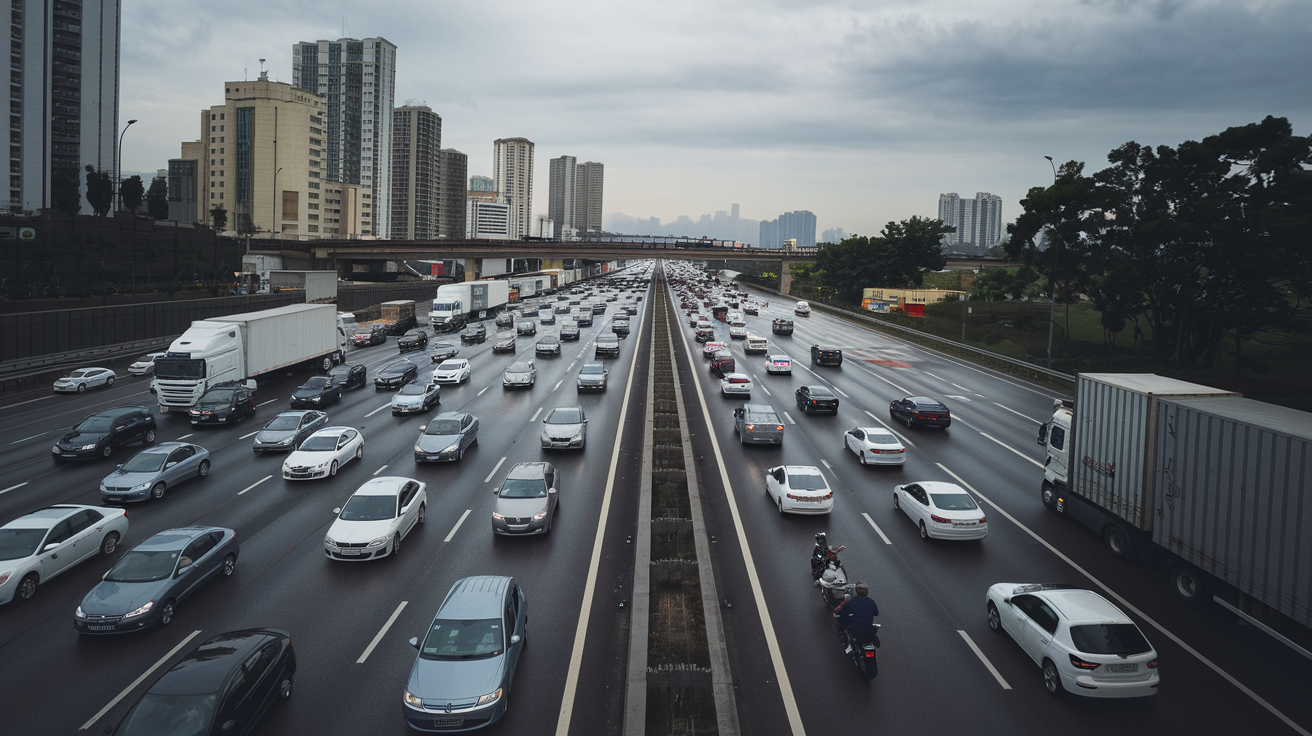

New Bill Proposes Changes to the Calculation of Traffic Fines! If Approved, Penalties Will Be Adjusted According to the Value of the Vehicle
The Chamber of Deputies presented on Monday (17) a new Bill (PL) 78/25 that replaces the fixed value of traffic fines. The text aims to bring a new calculation for traffic fines based on a percentage of the market price of the vehicle. The text, which seeks to generate traffic fines based on the price of the car, changes the Brazilian Traffic Code.
Understand What Will Change with the New Bill (PL)
Currently, the CTB sets four fixed values for traffic fines, based on severity. For example, a very serious offense, such as driving without a driver’s license (CNH), is currently punished with a fine of R$ 293.47.
The bill for the new calculation for traffic fines changes this amount in reais to a percentage linked to the price of the vehicle, which increases according to the severity of the offense.
-
2027 Toyota Corolla Cross Unveiled: New Design, Enhanced Fuel Efficiency, Reduced Maintenance Costs, Advanced Technology, Connected Services, and Up to 10-Year Warranty

-
Fiat Cronos Precision 2018: Affordable Sedan with Spacious Trunk and Reliable Maintenance
-
Volkswagen to Cut Production by 1 Million Cars by 2030, Reducing Jobs and Platforms, Focusing on More Profitable Models

-
Toyota Launches First 100% Electric Car in Brazil: bZ4X with 343 HP, All-Wheel Drive, 361 km Range, Priced at $419,990 BRL, Limited to 99 Units



The market value of the vehicle will be determined by the National Traffic Council (Contran), with updates every year. However, the text for traffic fines based on the price of the car did not mention whether it will follow the official prices of the Fipe table, as occurs for the calculation of the Tax on the Ownership of Motor Vehicles.
If the new Bill is approved, the new rule should be regulated within 90 days and will come into effect in 180 days. Other points of the traffic law, such as the points system for the CNH and the multiplying factors for very serious offenses, are not altered by the new calculation for traffic fines.
Traffic Fines Based on the Price of the Car in Practice
The proposal for a new calculation for traffic fines comes from Deputy Kiko Celeguim (PT-SP). According to him, the fact that the value of fines is fixed, being altered only by severity, makes the penalty unequal, given that drivers with higher purchasing power will be less affected than those with lower income.
Celeguim assesses that the current model of fixed amounts leads to disproportionate consequences among drivers of different social classes and does not adequately penalize high-income drivers. The project will be analyzed in a conclusive manner by the Committees on Transportation and Traffic, Finance and Taxation, and Constitutional and Justice and Citizenship (CCJ).
As an example, the owner of a car worth R$ 100,000, with the new calculation for traffic fines, will see the value of fines increase if the Bill is approved. If they commit a serious offense, they will have to pay R$ 200, while currently paying R$ 195.23. For a very serious offense, the difference is even more significant, paying R$ 350 instead of the current R$ 293.47. Now, if the car is valued at R$ 200,000, the very serious fine will be R$ 700.
Percentage Increase in Traffic Fines Based on the Price of the Car
For the light fine (R$ 88.38), the amount that the Bill (PL) seeks to increase is 0.1% of the value of the vehicle. For the medium fine (R$ 130.16), the increase will be 0.15%. For the serious fine (R$ 195.23), the amount will rise to 0.20% of the value of the vehicle. Finally, the very serious fine (R$ 293.47) will increase to 0.35% of the value of the vehicle.
According to Celeguim, while for owners of lower-value vehicles the financial impact of fines can be extremely significant, for luxury vehicle drivers, the same amount becomes insignificant.









Então não seria melhor multa baseada na renda? Assim como o IPVA, essa lei impede os mais pobres de juntarem dinheiro durante a vida e comprarem um carro dos sonhos. Lei anti-pobre.