






 Portuguese
  Spanish


Newly Inaugurated Structure Promises to Transform Mobility, Facilitate Access Between Neighborhoods, and Enhance the Region of Francisco Morato in Greater São Paulo.
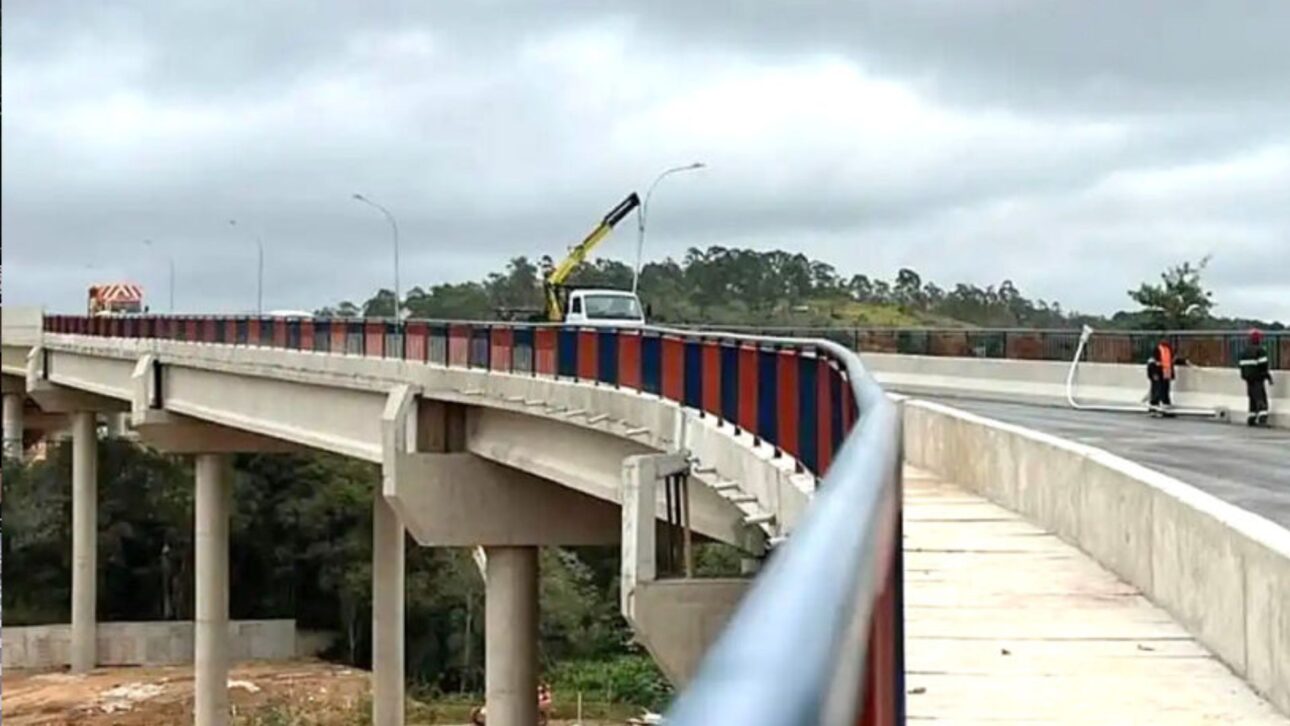
The city of Francisco Morato, in the Metropolitan Region of São Paulo, will receive in the coming days a new high-impact infrastructure: a viaduct for vehicles and pedestrians, resulting from an investment of R$ 31.9 million.
The work, which is in the final phase of installing lighting poles, promises to transform the everyday life of thousands of residents by facilitating travel between neighborhoods previously isolated by the Line 7-Rubi of the Companhia Paulista de Trens Metropolitanos (CPTM).
With the completion of the viaduct, the crossing between the neighborhoods Parque Santana, Jardim Flórida, Parque Morumbi, Nossa Senhora Aparecida, and other neighboring areas will be direct, eliminating the need to travel to the city center to cross the tracks.
-
Brazilian Startup Turns Coffee Grounds into Plant-Based Leather, Cutting Water Use by Over 50 Times for High-Impact Sustainable Fashion

-
Eco Invest Auction Aims to Unlock $10 Billion in Investments, Focusing on Green Fertilizers, Critical Minerals, Batteries, and AI for Clean Industry in Brazil

-
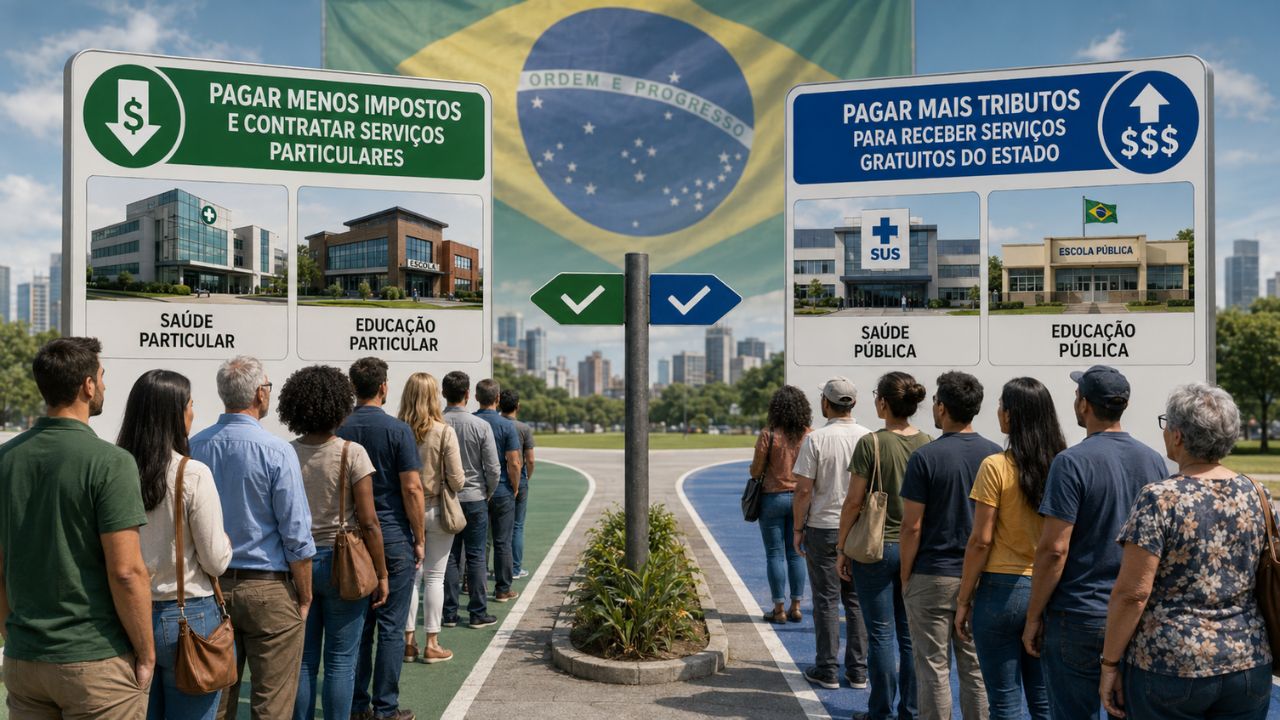
Half of Brazilians Prefer Lower Taxes with Private Health and Education, While 44% Opt for Higher Taxes for State-Provided Services, Datafolha Survey Reveals

-
Brazil’s Most Expensive Toll Rises to R$ 40.60 on Route from São Paulo to the Coast, Nearly Matching Bus Fare to Santos



This change addresses a historical demand of the local population, which has faced traffic congestion and longer routes for years due to the lack of direct connections.
New Viaduct of R$ 31 Million: Impact on Urban Mobility
According to the City Hall of Francisco Morato, construction of the new viaduct began in 2023, after the signing of an agreement between the municipality and the Ministry of Cities.
Of the total amount, R$ 25.85 million was invested by the Federal Government, while the city contributed R$ 6.06 million, equivalent to 19% of the cost.
The project was designed to benefit both individual and collective transport, including safe passage for pedestrians.
In addition to facilitating vehicle flow, the new structure enables changes to bus route lines, which should improve access to public transportation.
The municipal administration expects that the new viaduct will significantly reduce travel time between neighborhoods, providing greater efficiency to the local urban mobility system.
Direct Benefits for Neighborhoods and Residents
The impact of the viaduct goes beyond traffic.
The connection between different areas of the city can boost commerce, expand access to essential services, and enhance the value of properties in the benefited regions.
Merchants and residents point out that, with the facilitated crossing, there is an increase in the flow of people and integration between neighborhoods.
According to a survey by the municipal administration, Francisco Morato has about 180,000 inhabitants, many of whom depend daily on mobility to access services, schools, and jobs.
Safety, Accessibility, and Modernized Infrastructure
The infrastructure also prioritizes safety, providing an exclusive passage for pedestrians, which avoids risks at informal crossings over the railway.
The new route features illuminated sidewalks and accessibility for people with disabilities, complying with the latest urbanization standards.
The viaduct works included a series of improvements to the surroundings, such as resurfacing access roads, installing new signage, and making adaptations to the drainage system to prevent flooding.
According to the Municipal Department of Works, all stages followed the planned schedule, with technical inspections to ensure the quality and durability of the structure.
Regional Integration and Local Development
The project is part of a larger effort by the Federal Government and the Ministry of Cities to promote urban integration in peripheral municipalities of the Metropolitan Region of São Paulo.
In other nearby cities, similar viaducts have proven fundamental to reduce traffic congestion and expand mobility.
According to data from the National Association of Public Transport (ANTP), interventions of this type can reduce urban travel time by up to 30%, directly benefiting the quality of life of the population.
During the same period, the Department of Highways of the State of São Paulo (DER-SP) inaugurated the SMR-385 Viaduct, connecting Sumaré to Hortolândia, highlighting the priority given to urban mobility in various regions of the state.
These initiatives contribute to regional integration and stimulate economic and social development of the municipalities involved.
Urbanism and the Future of Mobility in Francisco Morato
Urbanism experts emphasize that investments in road infrastructure, such as the new R$ 31 million viaduct, are crucial to address mobility challenges in large Brazilian cities.
Works of this magnitude optimize urban logistics, strengthen public transportation, and ensure safety for drivers and pedestrians, essential aspects for cities with rapidly growing populations.
With delivery expected in the coming weeks, the Francisco Morato viaduct represents a milestone for the city and for mobility in the Metropolitan Region of São Paulo.
The population awaits the inauguration of the structure with the expectation of seeing long-standing traffic problems resolved and experiencing a new reality in access between neighborhoods previously separated by the railway.
In light of this transformation, what other mobility initiatives could bring even more quality of life to residents of cities in Greater São Paulo?








