





 Portuguese
  English
  Spanish
 4 min of reading
  0 comments


Fiat Surprises The Automotive Market By Launching The First Light Hybrid Models. With Mild Hybrid Technology, These SUVs Promise Economy, Sustainability, And More Mobility For The Residents Of São Paulo.
The traffic in São Paulo may be about to gain unexpected relief. Imagine seeing the city’s congestion decrease, even if slightly, thanks to an innovation in the automotive market.
Fiat has just launched two new hybrid models, and they bring a special advantage for the residents of São Paulo: these cars are exempt from the municipal traffic restrictions. But what exactly does it mean to be a light hybrid, and how does this guarantee exemption from traffic restrictions?
The new SUVs from Fiat, Pulse and Fastback, were designed with a light hybrid system, known as Mild Hybrid.
-
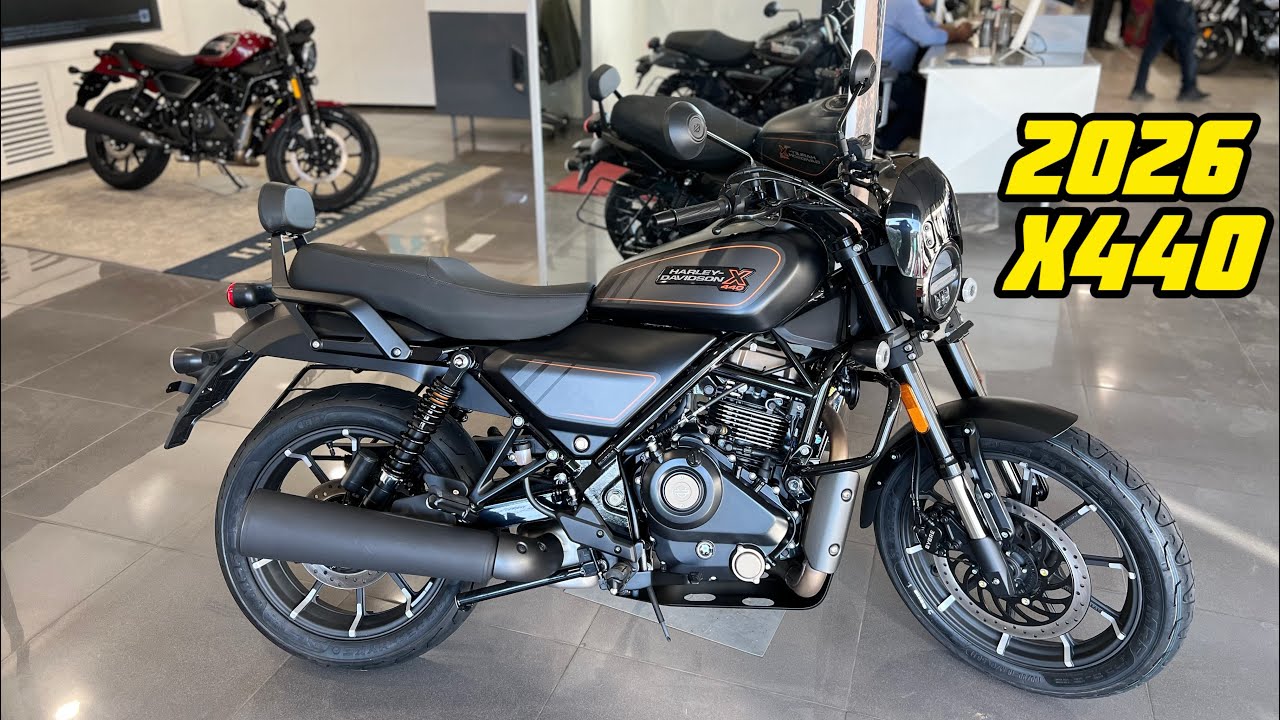
Harley-Davidson created an entry-level motorcycle that seems impossible for those who only know the brand’s big bikes: the X440 uses a 440 cc single-cylinder engine, delivers 27 hp, 38 Nm, a declared fuel consumption of 35 km/l, and showcases a small, rational, and much more accessible Harley in India.

-
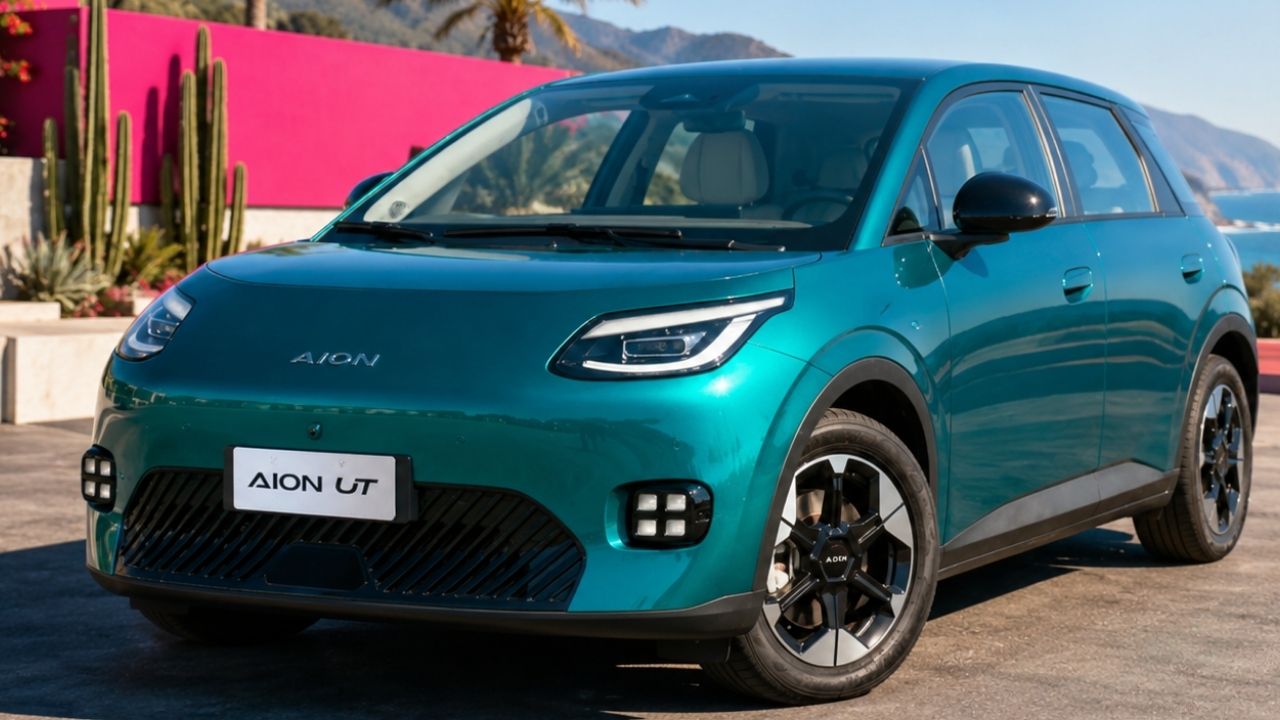
GAC Aion UT lands in Brazil for R$ 135,990 as the most affordable electric car in the country with over 200 hp, surpasses BYD Dolphin in size, features a 360 camera, and offers up to 310 km of range to challenge Chinese rivals.
-
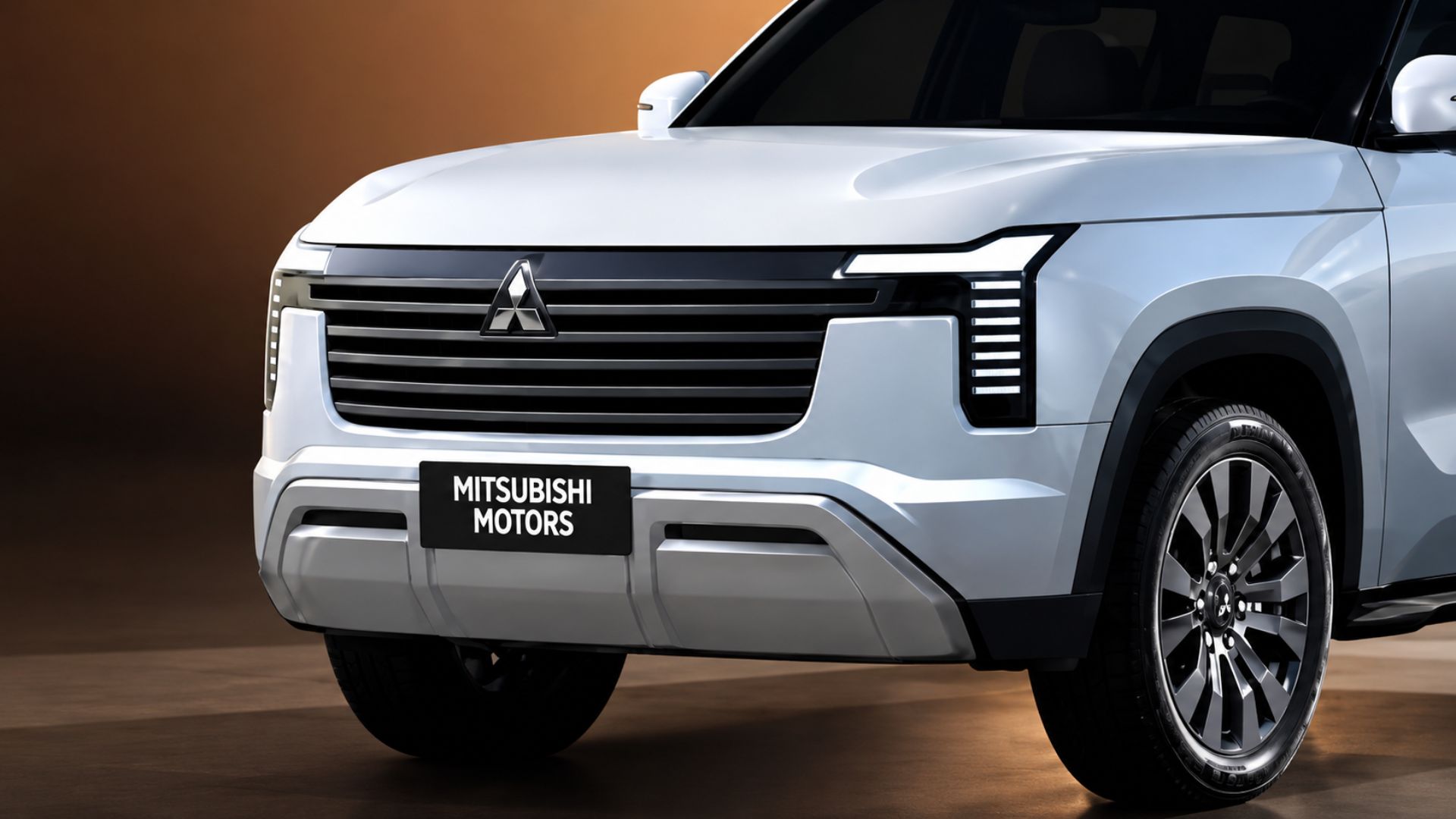
Mitsubishi confirms the triumphant return of a car beloved by Brazilians that was discontinued after almost 40 years, based on the Triton, 4×4, and targets rival Toyota Land Cruiser in a plan of 13 SUVs.

-
With a twin-cylinder engine of 49.6 hp and a range exceeding 400 km, the new Honda NX500 2027 debuts with a 5” TFT panel, Showa suspension, HSTC torque control, dual-channel ABS, and unlimited mileage warranty.

This technology does not use the electric motor to propel the vehicle, but rather supports the combustion engine, making the car more efficient in fuel consumption.
This system represents a step towards the democratization of hybrids, which are typically expensive and inaccessible for much of consumers.
Now, with a combustion engine assisted by a simple electric system, these vehicles promise to be a more economical and accessible option.
Mild Hybrid Technology: What Is It And How Does It Work?
The hybrid system in Fiat’s new models is called Mild Hybrid or light hybrid. This system features an electric motor that does not have the capability to propel the car.
Instead, it acts solely as support for the combustion engine, optimizing fuel consumption and reducing emissions.
The electric motor receives energy from a 12-volt lithium battery, which is compact and does not excessively raise the vehicle’s cost, unlike traditional hybrids with more powerful and complex batteries.
Fiat announced that the first engine model to receive this technology is the 1.0 TurboFlex T200, which utilizes the electric motor efficiently to assist the main combustion engine.
According to industry experts, this combination is particularly interesting for those seeking economy without sacrificing the practicality of a combustion engine.
Pulse And Fastback: The SUVs Leading The Democratization Of Hybrids
The models chosen to debut this technology in Brazil are the Pulse and Fastback, both popular and widely used SUVs.
This launch is part of Fiat’s strategy to popularize access to more sustainable and efficient technologies, something that is usually restricted to high-cost models.
With this approach, Fiat bets on a competitive differential: an accessible vehicle that has the benefits of a hybrid, such as exemption from traffic restrictions in São Paulo.
The choice of the Pulse and Fastback models for this innovation is also strategic.
Both are SUVs, a category that has gained popularity in Brazil and is seen as ideal for families and people seeking more space and comfort in their vehicles.
With this light hybridization, Fiat enables a larger number of drivers to opt for a more eco-friendly model, without having to bear the high costs typically associated with traditional hybrid vehicles.
Benefits Of The Light Hybrid: More Economy And Fewer Restrictions
In addition to offering a more economical driving experience, Fiat’s new hybrid models come with an important advantage for those living in large cities like São Paulo: exemption from traffic restrictions.
This is because, according to São Paulo’s municipal regulations, hybrid vehicles are exempt from complying with traffic restrictions, a measure aimed at reducing the number of cars on the streets on certain days of the week.
This benefit becomes particularly attractive for those who circulate daily in the city and want to avoid the complications of traffic restrictions.
Fiat believes that, with this exemption, the Pulse and Fastback models will become even more desirable, especially for those seeking alternatives to facilitate urban mobility without sacrificing convenience and performance.
Fiat And The Promise To Democratize Hybrids
The introduction of the Mild Hybrid system in the Pulse and Fastback models is a step towards the democratization of hybrids in Brazil. Traditionally, hybrid vehicles tend to be expensive, limiting access to a small portion of the population.
With an accessible hybrid system, Fiat aims to attract new consumers looking for economy while also wishing to contribute to a cleaner environment.
According to industry experts, this initiative may open doors for other manufacturers to invest in more accessible technologies, expanding the supply of sustainable vehicles in the Brazilian market.
As highlighted by the news portal Folha de S. Paulo, the democratization of hybrids is a trend that has been growing in recent years, and Brazil is following this movement, albeit somewhat slowly compared to other countries.
Exemption From Traffic Restrictions: Economy And Sustainability In One Package
With Fiat’s new hybrid models, drivers from São Paulo gain a vehicle option that combines sustainability and practicality.
The exemption from traffic restrictions allows Pulse and Fastback owners to have more freedom of movement in the city, an advantage that not only saves time but also helps reduce pollution levels in urban areas.
These new models from Fiat may, therefore, mark the beginning of a significant change in the profile of hybrid cars in Brazil.
The public will have the opportunity to opt for models that offer the benefits of a hybrid without the high costs usually associated with this technology.
Now, the question remains: will other manufacturers also adopt the Mild Hybrid to adapt to the Brazilian market? And, more importantly, will the public fully embrace this more sustainable option?







Be the first to react!