Portuguese
  Spanish


Understand How The Release Of Nvidia AI Chips To China, Amid Espionage Accusations And Rare Earth Bargaining, Is Redesigning The Geopolitical Game Among The World’s Largest Technology Powers
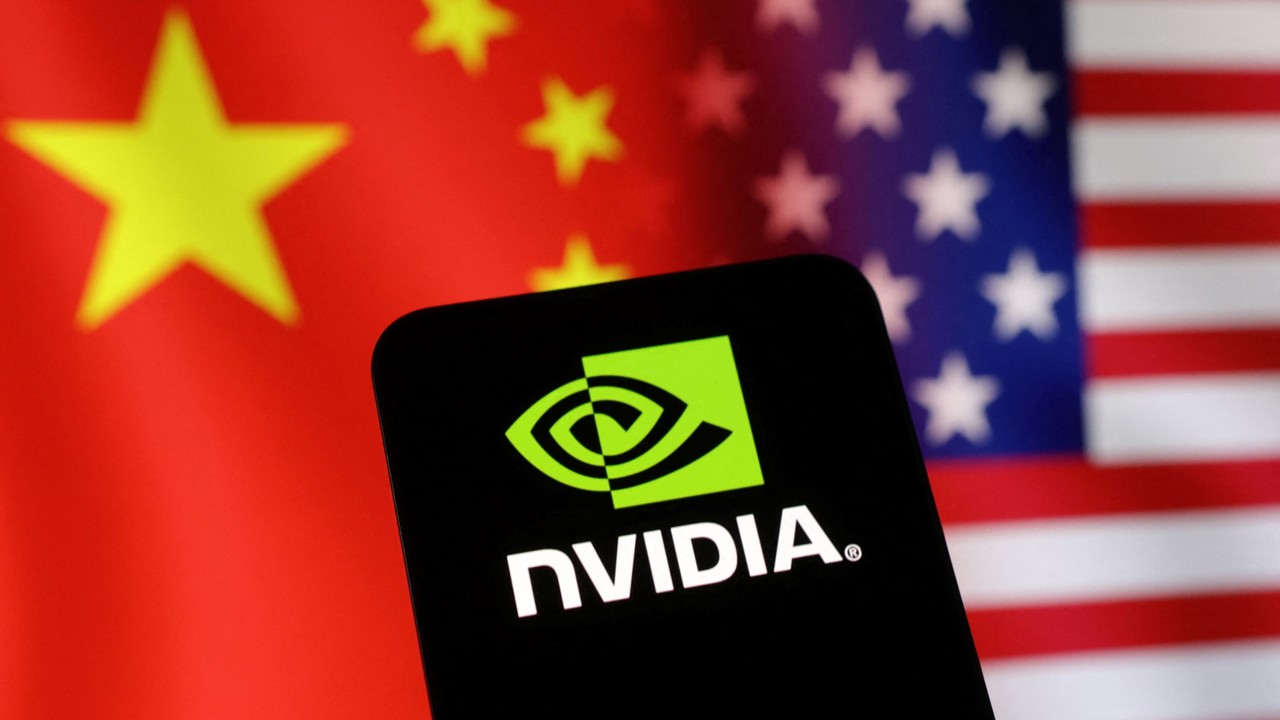
Recently, Nvidia Received Authorization From The United States To Resume Sales Of Its H20 AI Chips To China, After A Ban Motivated By National Security Concerns. This Reversal Is Part Of Broader Trade Negotiations Involving An Exchange For Access To Rare Earths, Essential For Various High-Tech Industries.
This Is Not Just A Commercial Permission — It Is A Calculated Move. While China Seeks To Strengthen Its Technological Autonomy, The US Secures Access To Strategic Resources, Essential For Maintaining Its Own Competitive Industry.
Rare Earths: The Invisible Engine Of The Agreement Between China And The United States
Rare Earths — Such As Neodymium, Dysprosium, And Others — Are At The Core Of This Negotiation. Mostly Controlled By China, These Elements Are Indispensable In Magnets, Electric Vehicle Batteries, And Turbines.
-
Brazil’s 2026 Tax Refund: Record 9.58 Million Filers in Largest Payout Ever, But a Key Detail on Priority Recipients Draws Nationwide Attention

-
Itaú Alters Hybrid Work Model, Increasing Office Days from 2028, Prompting Employees to Adjust to New Routine
-
Facing Labor Shortage, Japan Plans to Invest $34 Million to Attract Foreign Workers in Construction, Healthcare, Industry, and Commerce

-
Brazilian City Makes Remarkable Leap, Becomes 4th Wealthiest in the Country with GDP of R$ 134.1 Billion




The Agreement Is Clear: American Access To AI Chips In Exchange For Easing Exports Of These Raw Materials. It Is An Agreement That Highlights How Science, Politics, And Economics Converge, Using Technology And Resources As Levers Amid Global Tensions.
Political Tension, Security, And The Future Of The Market
As Chips Return To The Chinese Market, Resistance Arises On Both Sides. In The United States, Legislators Such As Republican John Moolenaar Warn That This Decision May Weaken The American Advantage In AI And Favor The Reach Of The Chinese Communist Party.
On The Other Side, China Also Questions The Security Of The H20. State Media And Regulators Cite Possible Backdoors, Remote Removal, And Lack Of Technological Innovation — Accusations That Nvidia Firmly Denies.
Furthermore, Discreetly Embedded Trackers In Chip Shipments Have Been Reported As A Measure Of US Oversight — An Action That Has Been Criticized By Chinese Outlets As “Surveillance Tactics.”
Today, China Is Guiding Local Companies To Avoid The H20, Especially In Projects Linked To The Government Or National Security.
Despite This, Demand Remains Strong: Just In The First Days After The Release, About 700 Thousand H20 Chips Were Requested, A Sample Of The Still Relevant Strength Of Nvidia’s Portfolio.
Sale Of Artificial Intelligence Chips To China: What Now?
In Summary, This New Wave Of Sales Of AI Chips To China, Within The Negotiations Involving Rare Earths, Is Much More Than A Commercial Adjustment — It Is A Complex Board Where Diplomacy, Economy, And Security Intertwine. The Measure Ignites Debates About Technological Trust, Balance Of Power, And The Future Of The Global Industry.
And What Do You Think About This? Leave Your Opinion In The Comments!