






 Portuguese
  Spanish


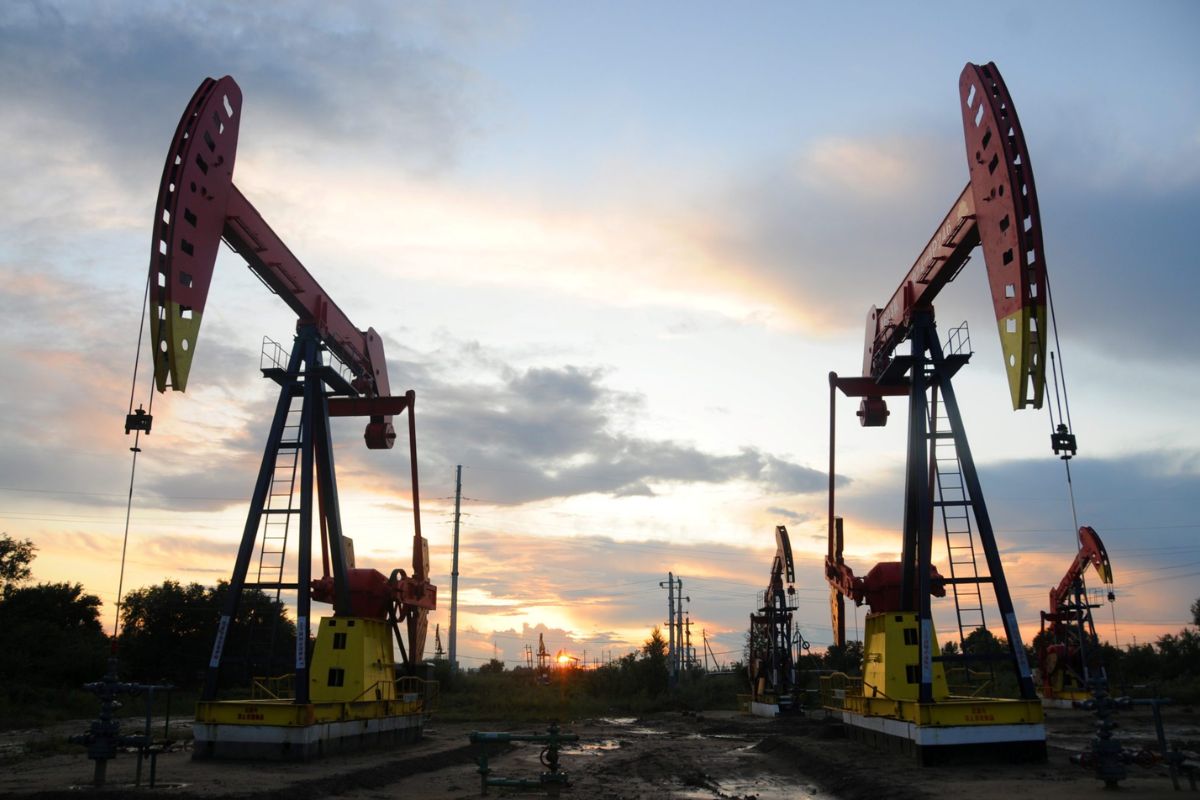


After Petrobras Sold Its Mature Fields, New Companies Like 3R Petroleum and Acelen Invest Billions to Revitalize Oil Production and Transform the Energy Future in the Region.
The Recôncavo Baiano, the cradle of oil in Brazil, is experiencing a renaissance. The region, which saw the country’s first commercial oil discovery in 1941, is undergoing a profound transformation. After Petrobras sold its older fields to focus on the pre-salt, a new generation of specialized companies has taken over the operations.
With new investments and technologies, these companies are “reviving” wells that were considered uneconomic. The strategy is to give an extra life of up to 50 years to the cradle of oil in the country, while parallelly, billion-dollar renewable energy projects begin to take root in the same region.
The End of an Era: Why Did Petrobras Sell Its Historical Fields in the Recôncavo Baiano?
Petrobras’ decision to sell its assets in Recôncavo Baiano was strategic. Starting in 2016, the state-owned company began to focus its investments on high-yield and low-cost oil extraction fields in the pre-salt.
-
Brazilian Entrepreneur Turns Door-to-Door Jewelry Sales into a Family Business Empire with Over 70 Stores

-
$75 Million Bridge in Brazil Opens to Connect Cities, Create Jobs, and Cut Travel Time from 30 to 2 Minutes; Spanning 1.24 km, It’s Among the Country’s Largest and Ends Decades of Ferry Queues.

-
Brazilian Farmer Builds 8-Ton Tractor from Army Truck Engine, Plants Over 100 Hectares of Soybeans
-
11-Year-Old Entrepreneur Turns Fear of Bees into Honey Lemonade, Wins $60,000 on Shark Tank, Secures Whole Foods Deal, and Expands Brand Across U.S. Stores




As a result, dozens of mature onshore fields, which required more investment to maintain production, were put up for sale. This opened a unique opportunity window for smaller, more agile companies, with a business model focused precisely on revitalizing these assets.
Who Are 3R Petroleum and Acelen?
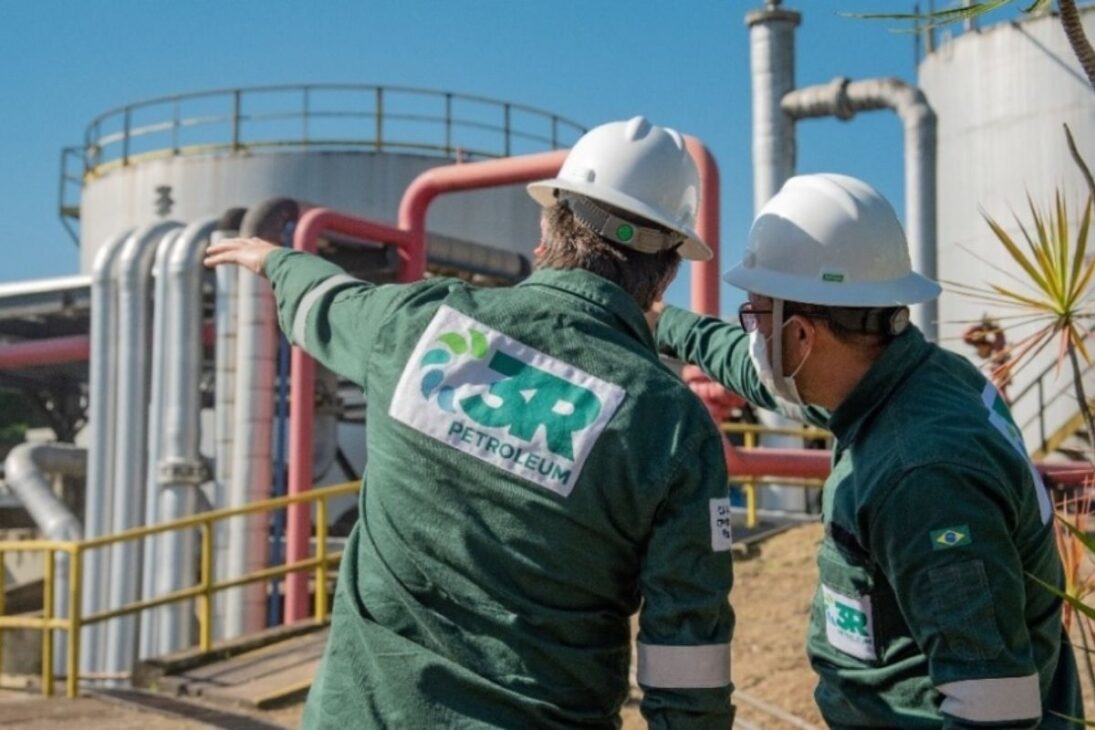
Two companies stand out in this new scenario. 3R Petroleum, a Brazilian company, focused on production, buying oil wells. Its motto is “Rethink, Redevelop, Revitalize,” applying new technologies to extract the oil that was left behind.
On the other hand, Acelen, controlled by an investment fund from the United Arab Emirates, took over the other side of the chain. It purchased the Mataripe Refinery (formerly RLAM) in 2021, becoming the main buyer of the oil produced in the region and the largest supplier of fuels in the Northeast.
The Case of 3R Petroleum: How to Revitalize the Cradle of Oil
The most emblematic case of this new phase is the acquisition of the Recôncavo Polo by 3R Petroleum. In a US$ 256 million transaction, completed in May 2022, the company took over the operation of 14 historical fields.
3R’s plan is not to seek new discoveries but to optimize what already exists. The company is applying secondary recovery technologies, such as water injection into reservoirs. This method increases the internal pressure and “pushes” the oil that Petrobras considered uneconomic to extract, extending the field’s lifespan.
The Goal of Extending the Lifespan of the Fields
The potential for revitalization is enormous. In mature fields like those in Bahia, the historical recovery factor was only 18% to 20%, meaning that over 80% of the original oil is still underground. It is this wealth that the new operators seek.
The National Agency of Petroleum (ANP) has already approved new development plans that reflect this new reality. The historical Dom João field, for example, which has been producing since 1947, had its concession extended until 2052, a horizon that proves the viability of keeping the cradle of oil producing for over 100 years.
The R$ 12 Billion Investment by Acelen in Renewable Fuels

While 3R Petroleum maximizes the past, Acelen builds the future. Alongside the operation of the oil refinery, the company is investing R$ 12 billion in a megaproject for biofuels. The goal is to build a biorefinery to produce 1 billion liters per year of Renewable Diesel and Sustainable Aviation Fuel (SAF).
The main raw material will be macaúba, a native Brazilian palm tree. The company plans to cultivate 200,000 hectares of the plant in degraded pasture areas in Bahia and Minas Gerais. The first symbolic planting of the project took place in May 2025, marking the beginning of a new era of green energy for the same region that was the cradle of oil in the country.


Viva minha Bahia ,berço de tudo no Brasil
É triste lê certa reportagem que não condiz com a verdade também vivendo o mundo onde a mentira é o combustível só para escravizar e se apropriaram do patrimônio do povo com um legislativo tendencioso