Portuguese
  Spanish


Bill Under Review in the Senate Aims to Identify the Source of Oil and Gas to Protect the Brazilian Economy and Align the Country with Global Power Regulations.
The Federal Senate is about to review a bill that could be decisive for the future of foreign trade in Brazil. The proposal (PL 4375/2025) advocates for a strategic measure: the mandatory tracking of the origin of all oil, natural gas, and their derivatives imported by the country.
The initiative aims to implement mechanisms for international regulatory compliance. The main objective is to align Brazil with the stringent standards already followed by G7 countries, the group of the world’s largest economies. This adjustment is considered crucial to avoid economic sanctions that could directly impact the national market.
What Does PL 4375/2025 Propose?
In objective terms, the bill requires that Brazil knows the origin of each shipment of fossil fuel that arrives at its borders. This traceability is the tool that, according to the proposal, will allow the country to prove the compliance of its supply chain, an increasingly common requirement in global trade.
-
Brazil’s BNDES Funded Metro and Steel Plant Projects in Venezuela with Brazilian Support

-
Abandoned Building in Brazil to Become Biotechnology Unit with $10 Million Investment, Bridging Science, Industry, and Public Health
-
Company Offering “Stones to Diamonds” Scheme Sells Ruined Italian Homes to Brazilians for 1 Euro, Disappears with Promised Renovations, Leaving Buyers in Debt to Italian Tax Authorities Until 2028 Without Property

-
Plastic Packaging Drives Santa Catarina Industry to 230% Growth, Aiming for R$ 500 Million by 2030 Amid Sector Crisis, with New Gearless Line Expanding in Southern Brazil to Compete in South America

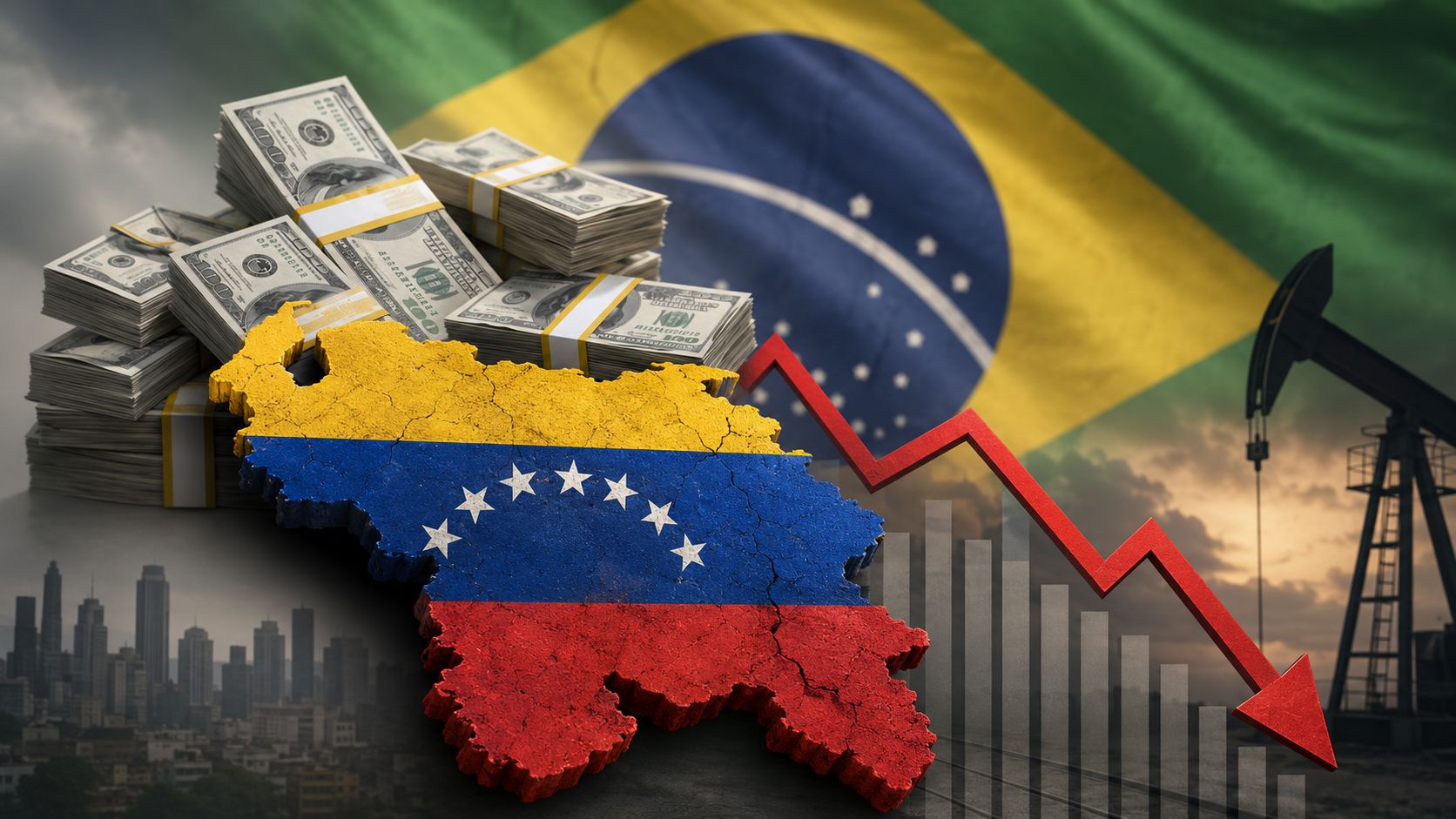


Objective is to Protect Exports and Jobs in Brazil
For the author of the bill, Senator Astronaut Marcos Pontes (PL-SP), the measure is a shield. The focus is to protect Brazilian exports, jobs, and the national industry. He argues that the lack of this control leaves Brazil vulnerable to sanctions, such as tariffs already imposed by the United States this year, which lead to economic losses.
Credibility in Global Trade at Stake
By advancing the discussion in the Senate, Brazil signals to the international market that it is committed to the rules of the game. The approval of the bill is seen as a fundamental step to strengthen the country’s credibility and ensure that it continues to be a safe and reliable trading partner in the global arena.