Portuguese
  Spanish


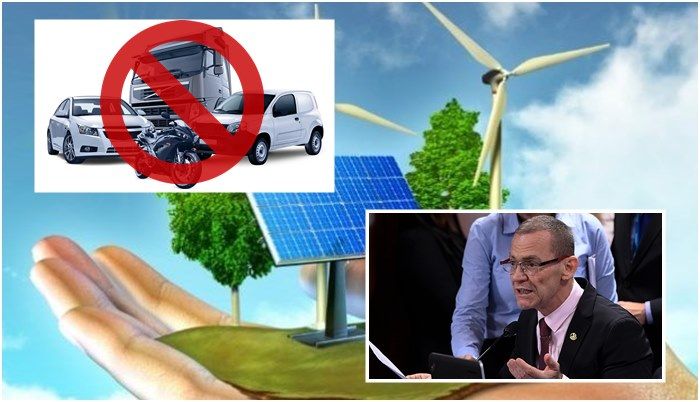

By 2040, The Total Circulation of Diesel and Gasoline Cars Will Be Prohibited, Including Other Fossil Fuels. The Market for Biofuels and Renewables Will Enter a New Historic Level If Approved by the CMA
The Senate’s Constitution and Justice Committee (CCJ) approved the ban on diesel and gasoline vehicles in Brazil this Wednesday (12), which could signify an important step for the renewable energy market in the country and reduced carbon dioxide emissions into the atmosphere, which is the main objective of the bill by Senator Ciro Nogueira (PP-PI). This measure could undermine the plans of the oil industry and ventures expected beyond these dates.
- Engevix Will Resume Hydroelectric Plant Works with Job Openings Expected in the Construction Industry and Other Sectors
- Trident Energy Is Hiring for Job Openings in Offshore Oil and Gas Projects
- PDE 2029 – Government Forecasts 71% Growth in Oil Production and 42 New FPSOs
As described in PLS 304/2017, the existing technologies already available in the market allow for the replacement of vehicles that run on gasoline and diesel, which are the largest global polluters that, according to research, maximize global warming.
-
Giant Batteries Take Center Stage in Chile Auction as Company Offers 960 GWh of Solar Energy for Nighttime Use, Aiming to Stabilize Solar Power Supply

-
Lenovo Unveils Legion Y700 Tablet with RGB Backlighting, 5G, and SIM Card Support
-
Lenovo Unveils Legion Y700 Tablet with RGB Backlighting, 5G, and SIM Card Support
-
Northern Brazilian City Prepares Task Force to Mitigate El Niño Impacts with Stockpiled Fish, Drone Monitoring, Firefighting, and Water Supply Reinforcement in Remote Areas



Biofuels are not on the ban list because they are already established in Brazil’s economy. Electric cars are the big trend of our era, with global growth and well-accepted, including here.
Some More Exceptions
Despite this advancement, the project provides for very specific exceptions for some types of fossil fuel-powered vehicles:
- Classic Cars
- Official and Diplomatic Vehicles
- Cars of Foreign Visitors
Ciro Nogueira endorses that this is the natural path that other countries have already taken, “The United Kingdom and France want to ban the sale of fossil fuel-powered vehicles by 2040, India by 2030, and Norway as early as 2025,” he concludes.
Sale of gasoline or diesel vehicles may be banned in Brazil by 2030 https://t.co/WHzzpvRGdj @ContaratoSenado is the rapporteur of the proposal pic.twitter.com/gYJJWDWkZq
— Federal Senate (@SenadoFederal) February 12, 2020