






 Portuguese
  Spanish
  4 min of reading
  0 comments


With Cacao Above US$ 10,000 Per Ton, Chocolate Industry Reformulates Recipes, Reduces Sizes, and Faces Global Crisis That May Change the Product as We Know It.
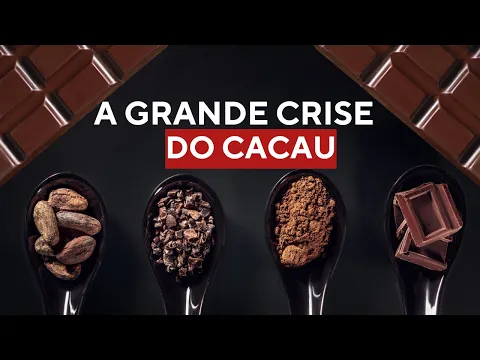
The idea that chocolate, one of the most iconic and emotionally connected foods to global culture, could be facing a deep transformation — or even be under threat — seems unlikely at first glance. However, the international cocoa market is experiencing a historic shock that is already beginning to alter production lines, formulas, and packaging around the world. In 2025, the price of cocoa reached the symbolic mark of US$ 10,000 per ton, occasionally spiking close to US$ 12,000, according to reports from the Cocoa Barometer and futures market monitoring. This is the highest price ever recorded, far exceeding the levels that the industry considered predictable.
The alert did not come only through numbers. Multinational companies in the sector have begun to admit adjustments, and experts indicate that the effect is structural, not just a momentary fluctuation. There is a real scarcity and worsening of climatic, phytosanitary, and logistical factors that are putting pressure on the entire production chain. If in the past chocolate was seen as an accessible indulgence, it is now moving towards becoming a more expensive, smaller product, and in many cases, formulated with new ingredients to maintain commercial viability.
An Escalation That Changed the Market Axis
The rapid increase in cocoa prices has a clear origin. West African countries, responsible for about 60% of global production, are facing harvests far below expectations due to climate change, plant diseases, and aging cocoa trees.
-
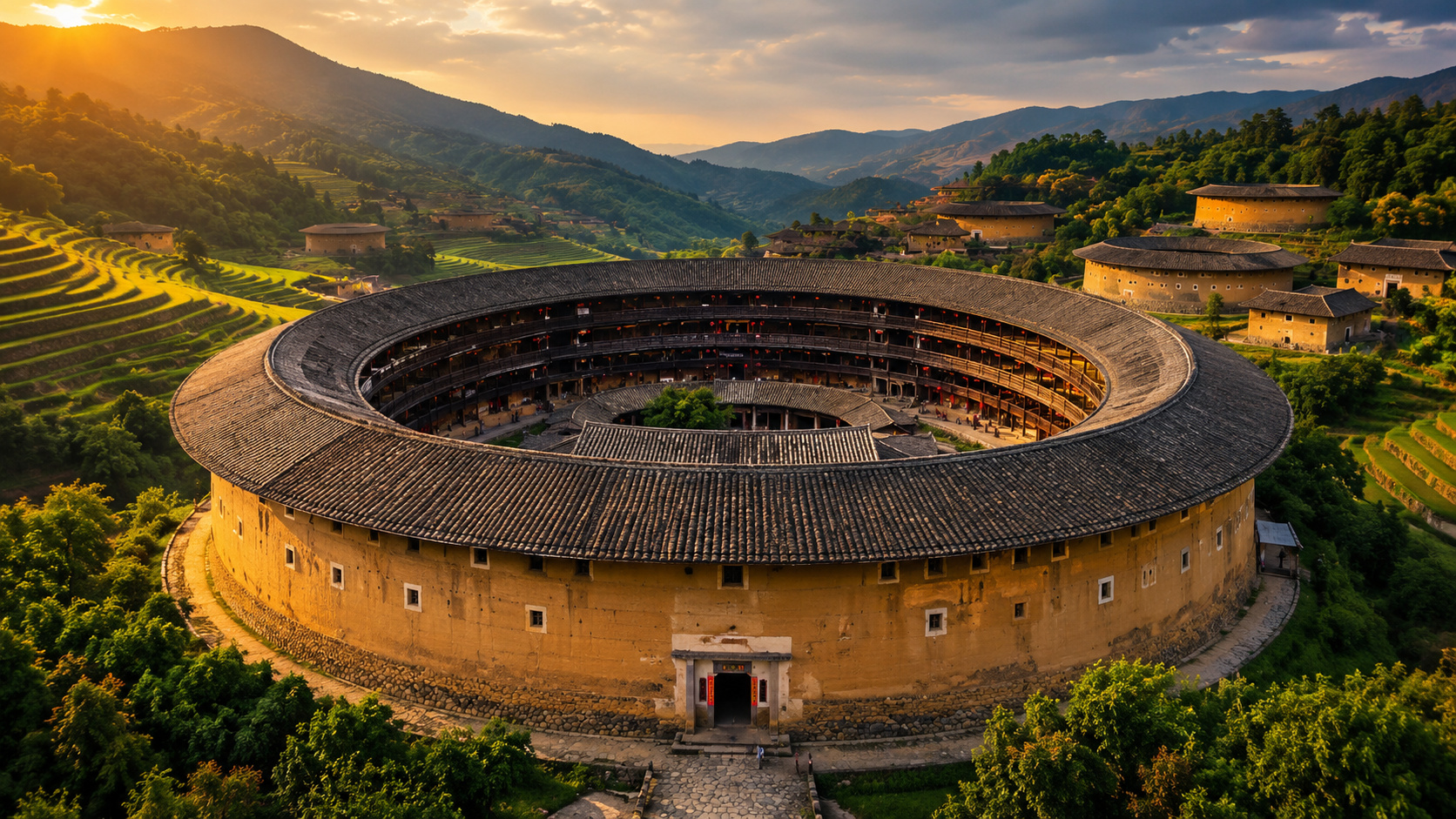
Long before sustainable construction became a trend, China built earthen fortresses with multiple floors, a central courtyard, and the capacity to house up to 800 people living in a community.

-
He got tired of renting, bought an old school bus, removed the seats, modified the roof, reinforced everything with steel, and created a two-story mobile home that looks small on the outside but houses two bedrooms inside.
-
A mother of four sought a safer family environment, watched tutorials on the internet, built a 325 m² house with her family, and learned foundation, walls, plumbing, and electrical work without any professional experience.
-
Iron ore falls to 762 yuan in China as real estate sales decline and steel production hits lowest level since 2018




Côte d’Ivoire and Ghana, which historically led global production, have seen their crops plummet, creating an explosive combination: lower supply in a market with growing international demand.
As a result, prices reacted in an unprecedented way. According to recent surveys, average prices in the international market jumped from around US$ 2,500 per ton to over US$ 10,000 in less than two years.
For an industry structured on tight margins and mass production, the impact is direct and immediate. Manufacturers that previously had supply security and cost stability now face inevitable price increases, more expensive contracts, and disruptions in planning.
Changes in Formulas and Packaging: Chocolate Shrinks
In light of the situation, the industry is responding with calculated strategy. Traditional brands have begun to reduce product sizes, a practice known as shrinkflation. Smaller bars, boxes with fewer units, and packaging maintained in the same format but with reduced content have become measures for containment.
Additionally, there is a discreet — but growing — movement for reformulation. Mixtures with a higher proportion of milk, sugar, and vegetable fats; increased use of processed cocoa; and even experiments with substitutes from other natural sources are underway.
The goal is to preserve flavor and experience while controlling costs in an environment of increasingly expensive and uncertain raw materials.
The situation does not only affect premium chocolates. Popular products, regular bars, bonbons, and even fractionated chocolates used in confectionery and baking are undergoing adjustments. The trend indicates that classic versions may become rarer as hybrid products between chocolate and other food bases gain ground.
When the Crisis is Agricultural, the Risk is Deep
The risk for chocolate transcends the industrial market. The foundation of the crisis lies in the soil, climate, and cocoa cultivation cycle, not just in financial variations. Cocoa is a sensitive plant, dependent on appropriate temperature, controlled shade, and careful management.
Heatwaves, irregular rains, and pest outbreaks, intensified by climate change, have compromised successive harvests. Restructuring plantations takes time, investment, and technology — variables that do not respond immediately to the market.

Reports from international analysts reinforce: even with government and private interventions, there is no guarantee of a quick return to previous prices. The scenario opens a broader discussion about food security, agricultural sustainability, and the capacity of global supply chains to adapt to the new climatic reality.
Chocolate as Luxury? A Silent Transformation
If a few years ago imagining chocolate as a luxury seemed exaggerated, today this hypothesis enters the economic discussion in a concrete way. Record prices put pressure on retail, affect artisanal confectionery, impact the food industry, and may redefine consumption habits.
In emerging markets, where price weighs more in the family budget, the impact tends to be even more noticeable.
At the same time, this movement may trigger a valuation of origin and quality. Premium chocolates, bean-to-bar, and products with designated origin may gain relevance, creating a fork between everyday chocolate and special chocolate, a dynamic already seen in other markets like coffee and wine.
Between Cost and Affection, a Future Under Construction
Chocolate is more than a product. It traverses cultural traditions, personal affections, and collective memories. It is present in celebrations, family rituals, and small daily pleasures. Therefore, imagining its transformation or possible scarcity — raises global attention.
The current crisis points to a future in which chocolate may remain accessible, but different. Perhaps more expensive, rarer, and in many cases, made with new compositions.
The definitive answer is still under construction. What exists, for now, is the certainty that the market has changed and that the era of abundant, cheap cocoa is behind us. And, as with any change in agricultural base, the impact will not be quick or superficial. In times of climatic instability and strained global supply chains, even the sweetest of products may face its most bitter phase.


-

-

2 people reacted to this.