Portuguese
  Spanish


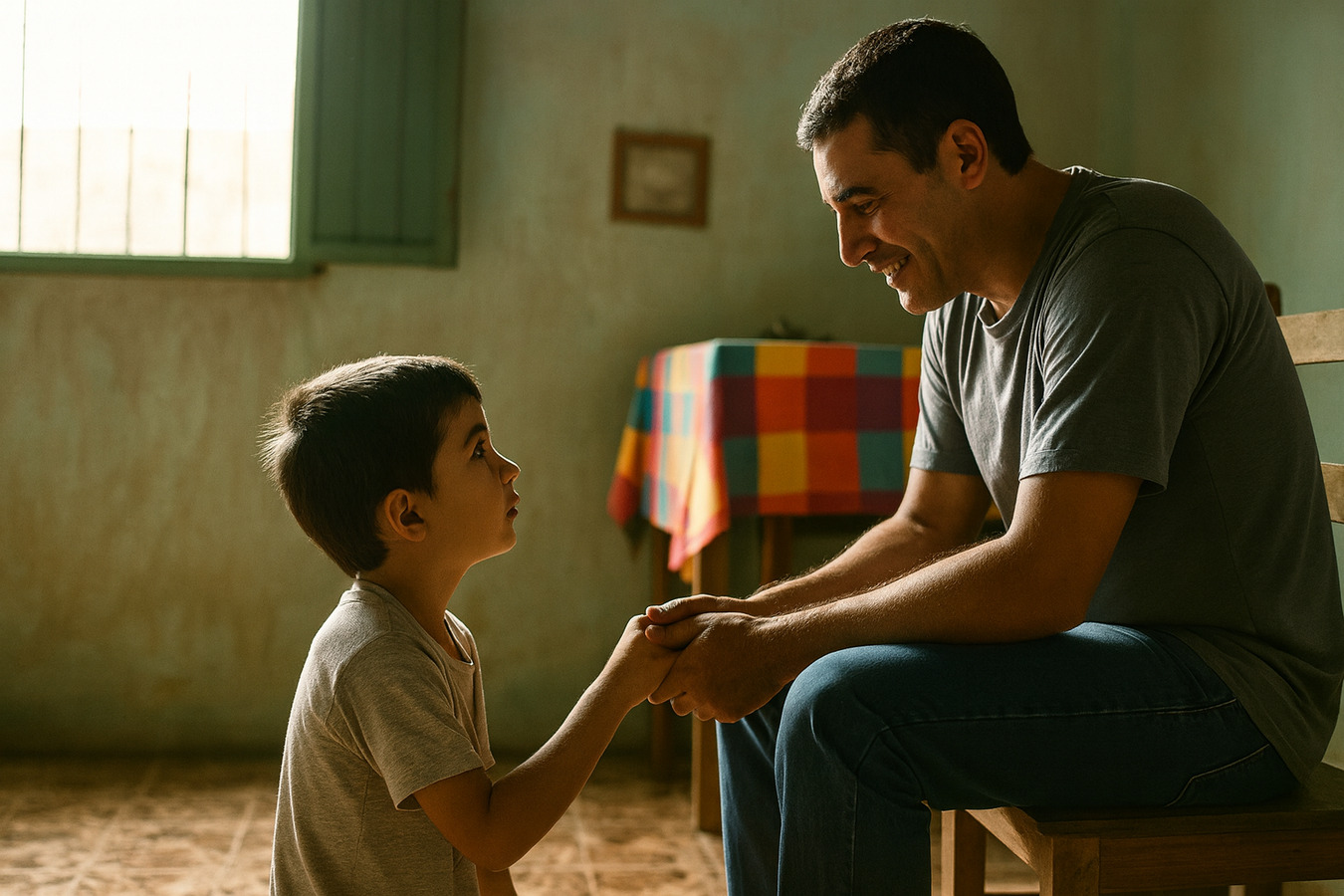


The Custom of Asking for Blessings Transforms in Brazil, Reflecting Changes in Families and New Ways to Express Respect and Affection
The custom of asking parents for blessings, common in past generations, is disappearing in Brazil. This act, which symbolized respect and affection, is losing strength with changes in family dynamics.
The most important thing is that this transformation does not necessarily represent a loss of values, but rather cultural adaptation.
According to anthropologist David Stigger from USP, “culture does not lose its values; it transforms. It reallocates and reorganizes”. Thus, even if the traditional practice becomes rare, the gesture survives in other forms.
-
After three years living in a van, a couple bought an abandoned historic house and had to deal with mold, damaged plumbing, raccoons, and heavy cleaning before moving in.

-
In the city that the market called “road cockroach,” between Balneário Camboriú and Florianópolis, he launched a planned neighborhood worth R$ 1 billion with a marina for 90 boats and sold 80% of the lots in the first phase in 1 week.

-
At a depth of 5,000 meters, where there is no sunlight, researchers found ancient DNA preserved in the mud of the South Atlantic and discovered signs of organisms that did not match known records.

-
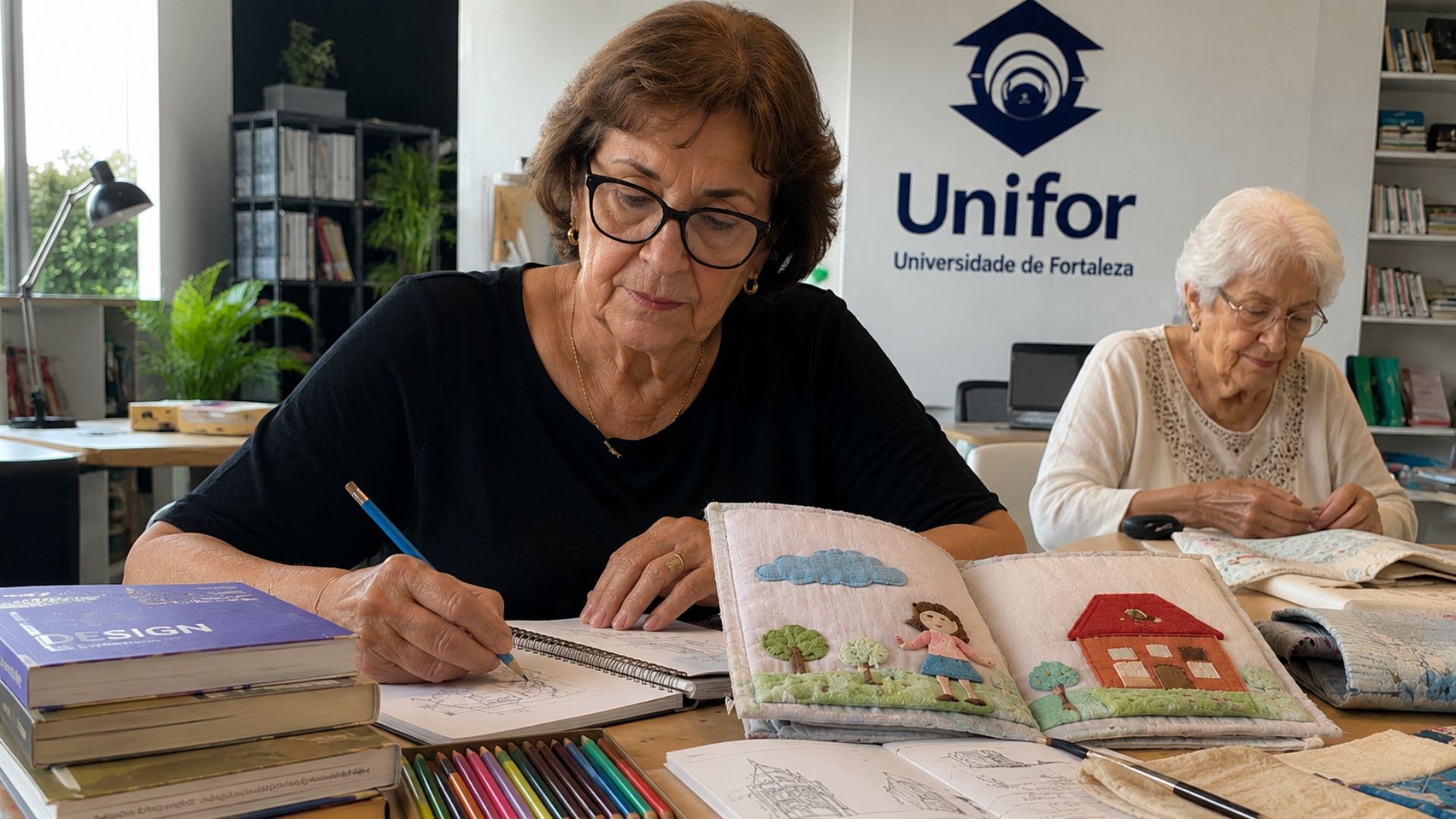
At 77 years old, a retired woman who never tires of learning completes her second degree in design in Ceará and moves people by revealing the help of her 98-year-old mother in the final project.



New Families, New Rituals
Brazilian families have moved away from the patriarchal model. Today, there are households led by single mothers, same-sex couples, and grandparents responsible for grandchildren. This alters the logic of blessings, which was previously directly linked to the figure of the father or mother.
Stigger emphasizes that “a large part of Brazilian families are headed by women. So, a blessing from a father or mother, it dislocates”. The ritual adapts, keeping pace with the diversity of family arrangements.
The Blessing as Symbolic Protection
In the past, the blessing marked the transition from home — a private space — to the public space, viewed as more dangerous.
The request usually happened when leaving home, functioning as a gesture of protection and care.
This symbolic dimension helped individuals face the outside world with the strength of family ties. Therefore, it was not just a habit but an act loaded with meaning.
Hyperconnection Changes Boundaries
With technology and instant communication, the distinction between public and private has become more fluid. Apps like WhatsApp keep family members connected all the time.
For Stigger, this reduces the need for a specific farewell ritual. “The symbolic effectiveness of the blessing often becomes less necessary,” he states.
Legal and Affective Transformations
Researcher Christiane Torres de Azeredo, in a study by the Brazilian Institute of Family Law, notes that the family structure has always undergone changes.
The 1988 Constitution enshrined affection and dignity as pillars of the family. It replaced “paternal power” with “family power,” reinforcing equality and valuing affective relationships.
The Gesture Transforms, Affection Remains
The disappearance of the blessing in its traditional form does not mean a rupture in respect or love between parents and children.
It simply represents new ways to express these feelings, shaped by the reality of each generation.
With information from Gazeta de São Paulo.