Portuguese
  Spanish




A Simple Defect in the Cooling System, Such as a Leak or Stuck Cap, Can Cause Overheating and Damage of Up to R$ 8 Thousand. Learn How to Prevent the Problem That Destroys Engines in Minutes.
Few drivers remember to check the cooling system as often as they check the oil level or inflate the tires. However, this neglect is one of the leading causes of severe breakdowns in modern engines, according to data from Valeo and Cobreq. A simple defect in hoses, gaskets, or even the reservoir cap can compromise the entire circulation of the coolant, lead to overheating, and result in repair costs exceeding R$ 8 thousand.
The cooling system is responsible for keeping the engine temperature within the ideal operating range, usually between 85 °C and 105 °C. When it fails, the heat generated by combustion is not dissipated properly, leading to overheating, component deformation, and, in extreme cases, gasket melting and engine seizure.
A Simple Defect with Catastrophic Consequences
Among the most common failures, leaks in dried hoses, clogged radiators, and stuck thermostat valves are among the main causes of overheating. But what many drivers do not know is that the expansion reservoir cap — a part costing less than R$ 50 — can be the source of a devastating problem.
-
2027 Toyota Corolla Cross Unveiled: New Design, Enhanced Fuel Efficiency, Reduced Maintenance Costs, Advanced Technology, Connected Services, and Up to 10-Year Warranty

-
Fiat Cronos Precision 2018: Affordable Sedan with Spacious Trunk and Reliable Maintenance
-
Volkswagen to Cut Production by 1 Million Cars by 2030, Reducing Jobs and Platforms, Focusing on More Profitable Models

-
Toyota Launches First 100% Electric Car in Brazil: bZ4X with 343 HP, All-Wheel Drive, 361 km Range, Priced at $419,990 BRL, Limited to 99 Units




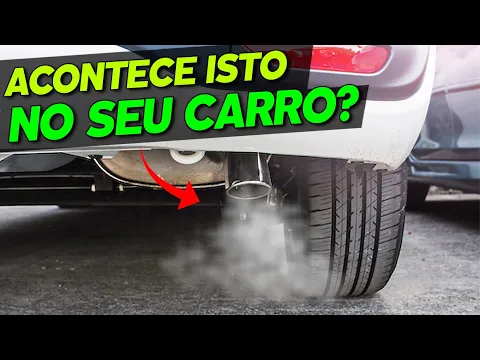

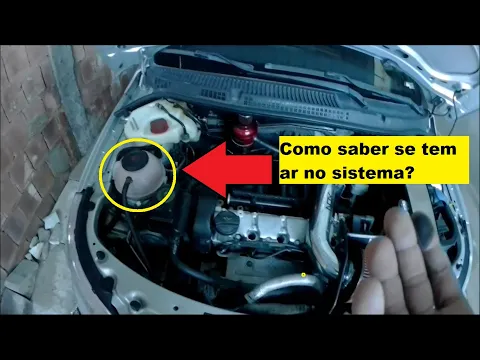
This cap contains a pressure relief valve, designed to release excess vapor when the system reaches a certain temperature. If it is stuck, the system loses its ability to equalize internal pressure.
The coolant boils, forms air bubbles, and creates what’s known as “vapor lock”, a blockage that prevents the fluid from circulating through the radiator.
The result is immediate: the temperature spikes in seconds, the red dashboard light comes on, and the driver often continues driving without realizing the severity. In just a few minutes, the head gasket can blow, the engine can warp, and the repair bill can easily exceed R$ 8 thousand for mid-sized cars.
The Danger of Slow and Invisible Leaks
Another frequent problem is the gradual leak of coolant, often imperceptible in day-to-day use. This occurs when small cracks in hoses or connections allow a constant loss of fluid, reducing the volume in the system.
The consequence is that the engine continues to operate, but with less fluid available to absorb heat.
According to automotive engineer Marcelo G. Santos from Valeo, “when the system loses only 10% of the fluid, the efficiency of the thermal exchange decreases significantly, and the engine operates at a higher temperature than it should.”
This constant and silent heating reduces the lifespan of gaskets and oil, as well as damaging temperature sensors and the radiator itself.
The Role of the Thermostat and Water Pump
The thermostat is another vital component of the system. It controls the flow of fluid between the engine block and the radiator.
When stuck closed, the fluid does not circulate, and the engine overheats in minutes. When stuck open, the liquid never reaches the ideal temperature, which affects fuel consumption and performance.
Additionally, the water pump, responsible for pushing the fluid through the system, can fail due to issues with its shaft or seal. When this happens, the fluid fails to circulate with sufficient pressure, causing overheating even without apparent leaks.
That is why manufacturers recommend replacing it every time the timing belt is changed — a common mistake is to ignore this preventive step, which can lead to significant losses.
How to Prevent Overheating
According to specialists from Cobreq and Dayco, there are five fundamental practices to prevent problems in the cooling system:
- Check the fluid level weekly, with the engine cold and the car level.
- Never top up with pure water — the ideal is to use coolant fluid with an ethylene glycol additive, which prevents corrosion and raises the boiling point.
- Replace the fluid every 2 years (or as per the manual).
- Inspect hoses and the reservoir cap during each maintenance check. If it is dried out or the valve is stuck, replace it immediately.
- Never drive with an overheated car. If the temperature light comes on, turn off the engine and call for help.
Neglecting these precautions can lead to irreversible damage — from warping of the head to melting of pistons and valves.
The Final Alert
The cooling system is one of the most neglected systems by drivers but also one of the most vital for engine health. A simple sealing defect or a stuck cap can cause damage equivalent to a complete engine block failure.
In modern vehicles, where under-hood space is limited and heat is concentrated, any failure in pressure or circulation is potentially destructive. Therefore, preventive maintenance is essential — and inexpensive compared to the costs of a complete engine rebuild.
In summary: a small leak or a defective reservoir cap can be the first step toward engine failure. And most of the time, the driver only discovers this when the temperature gauge is already in the red — and it’s too late.