Portuguese
  Spanish


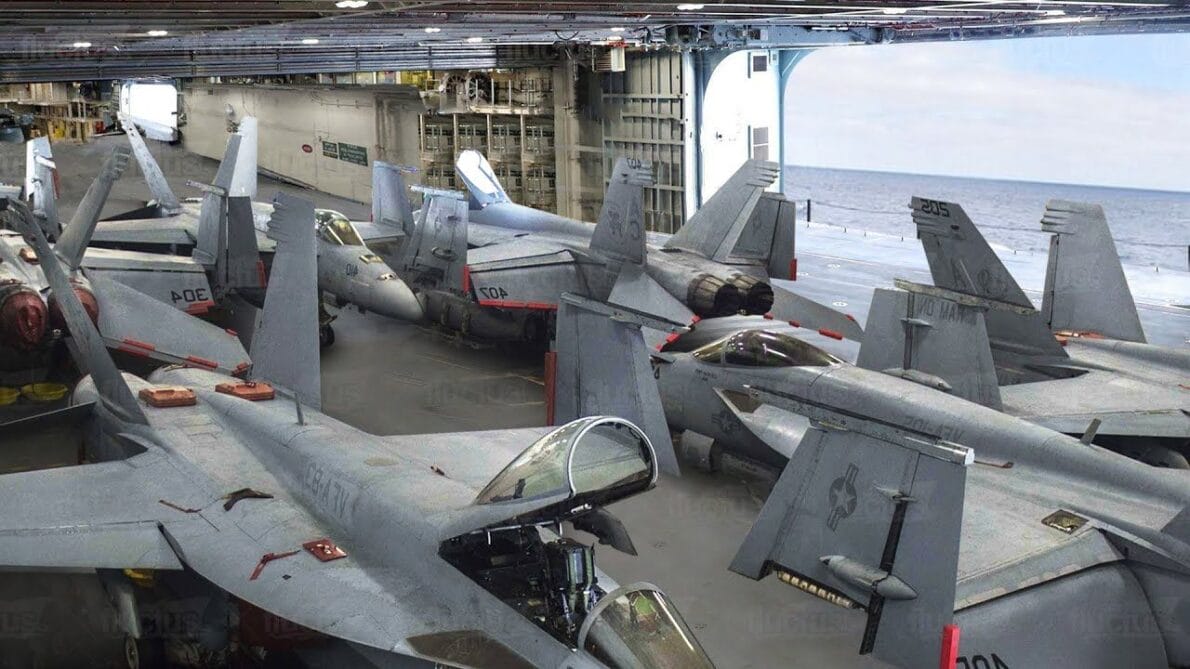

Aircraft Carriers Are Essential For A Nation’s Defense And Attack Strategy. Let’s Explore A Typical Day Inside The Hangar Of An Aircraft Carrier, Where Fighter Jets And Cutting-Edge Technology Meet.
Aircraft carriers are true floating cities, fundamental to extending the range of fighter jets in areas where land operations are not possible. The U.S. Navy has 11 of these giants, equipped with the most advanced naval technology available.
The hangar of an aircraft carrier is a busy and vital location for the operation of the vessel. Situated two decks below the flight deck, the hangar occupies more than two-thirds of the ship’s length and stores up to 90 aircraft, as well as spare parts, fuel tanks, and other essential equipment.
All Aircraft Training And Maintenance Take Place In The Hangar To Prevent Any Debris From Reaching The Flight Deck Of The Aircraft Carrier
There is a specific area for engine tests, where teams remove the engines from the planes and conduct detailed tests to ensure everything is functioning perfectly before the next flight.
-
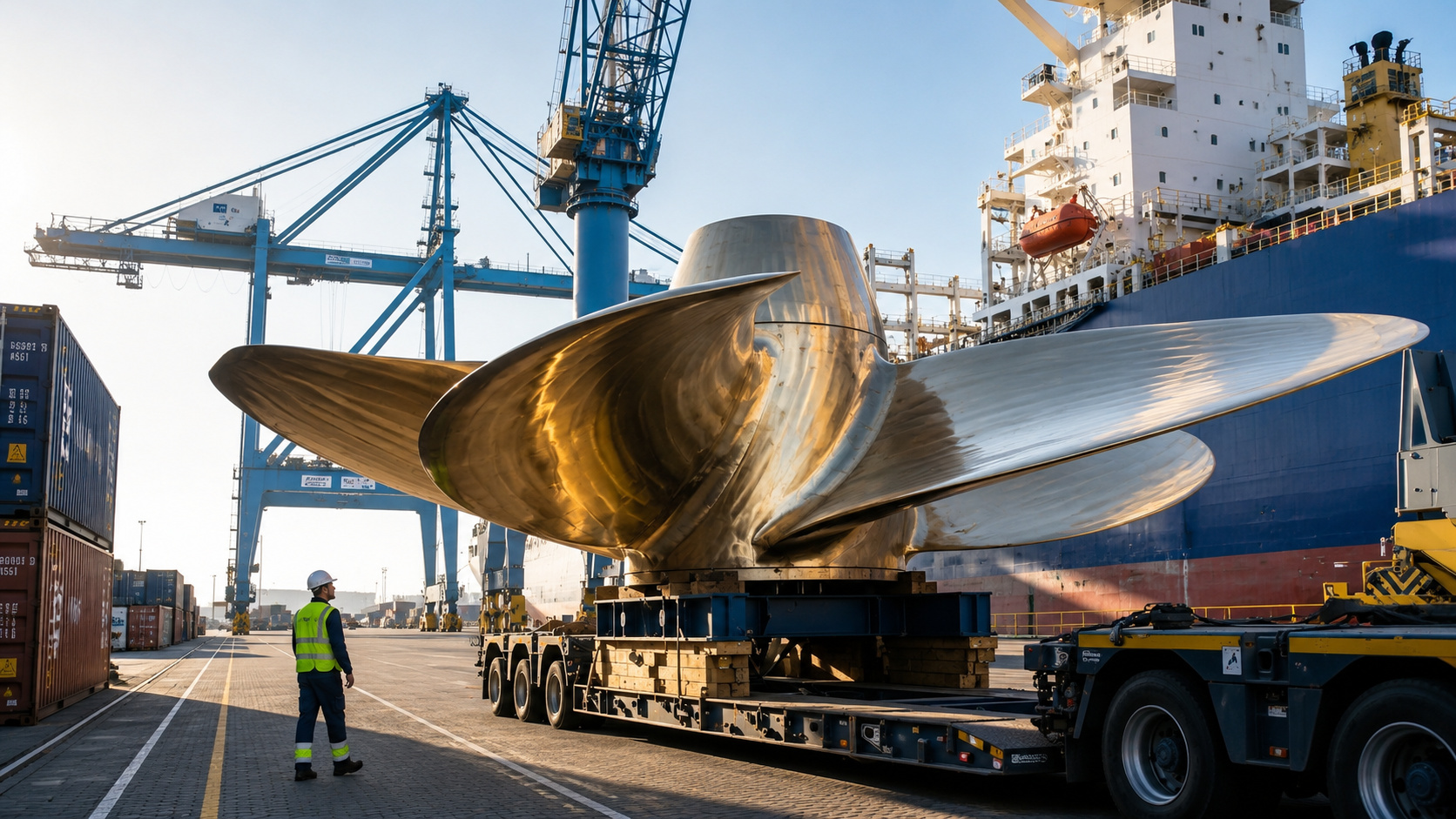
131-Ton Naval Propeller, Costing Up to $4 Million and Taking 4 Months to Manufacture, Powers the World’s Largest Cargo Ships Almost Invisibly

-
Brazil’s Maceió Port Joins Decarbonization Efforts with Study to Supply Clean Energy to Cruise Ships

-
Brazilian Port Expands Ship Capacity to 9.5 Meters, Boosting Cargo Transport and Reducing Logistics Costs
-
Three Chinese companies manufacture more than 96% of the world’s dry cargo containers and 100% of refrigerated ones, in a dominance built over 40 years that has made it almost impossible for the West to compete in this market.



The elevators are crucial components of the hangar design. The U.S. Navy’s aircraft carriers have up to four high-speed elevators, capable of lifting two fighter jets or up to 45,000 kg of equipment. There are also smaller elevators to transport weapons from the storage area to the flight deck, ensuring that the planes are armed quickly.
With Up To 3,000 People Aboard, Feeding The Crew Three Times A Day Is A Logistical Challenge.
In addition to the main mess hall, there are several smaller kitchens operating 24 hours, serving everything from ribs to cakes and cookies.
Aircraft carriers also feature various facilities to meet the crew’s needs, such as shops, laundry, barbershops, post offices, medical and dental clinics, as well as a Starbucks, providing a bit of home comfort even at sea.
To Keep Morale High During Long Missions, The Crew Participates In Rituals And Recreational Activities.
One of the most well-known is the “line crossing ceremony,” which occurs when the crew crosses the Equator for the first time. Another popular event is the “swim call,” where sailors can jump into the ocean and swim, promoting camaraderie and offering a well-deserved break.
A day in the hangar of a U.S. Navy aircraft carrier is filled with crucial activities for the operation of the ship and the well-being of the crew. With advanced technology and impressive logistics, these giants of the sea ensure that fighter jets are always ready for any mission while providing a relatively comfortable living environment for their crew members.