Portuguese
  Spanish


While Norway has accumulated 1.7 trillion dollars in the Government Pension Fund Global since 1990 and Alaska has been distributing dividends to 700,000 citizens since 1976, the government of Javier Milei is now encouraging the 5 oil-producing provinces of Argentina to create provincial sovereign funds with royalties from the Vaca Muerta boom, as reported by El Cronista.
The move aims to capture the extraordinary income from Argentine shale before it returns to the current spending budget. The 5 producing provinces today are Neuquén, Río Negro, Mendoza, Chubut, and Santa Cruz.
Neuquén concentrates more than 60% of the national crude via Vaca Muerta.
-
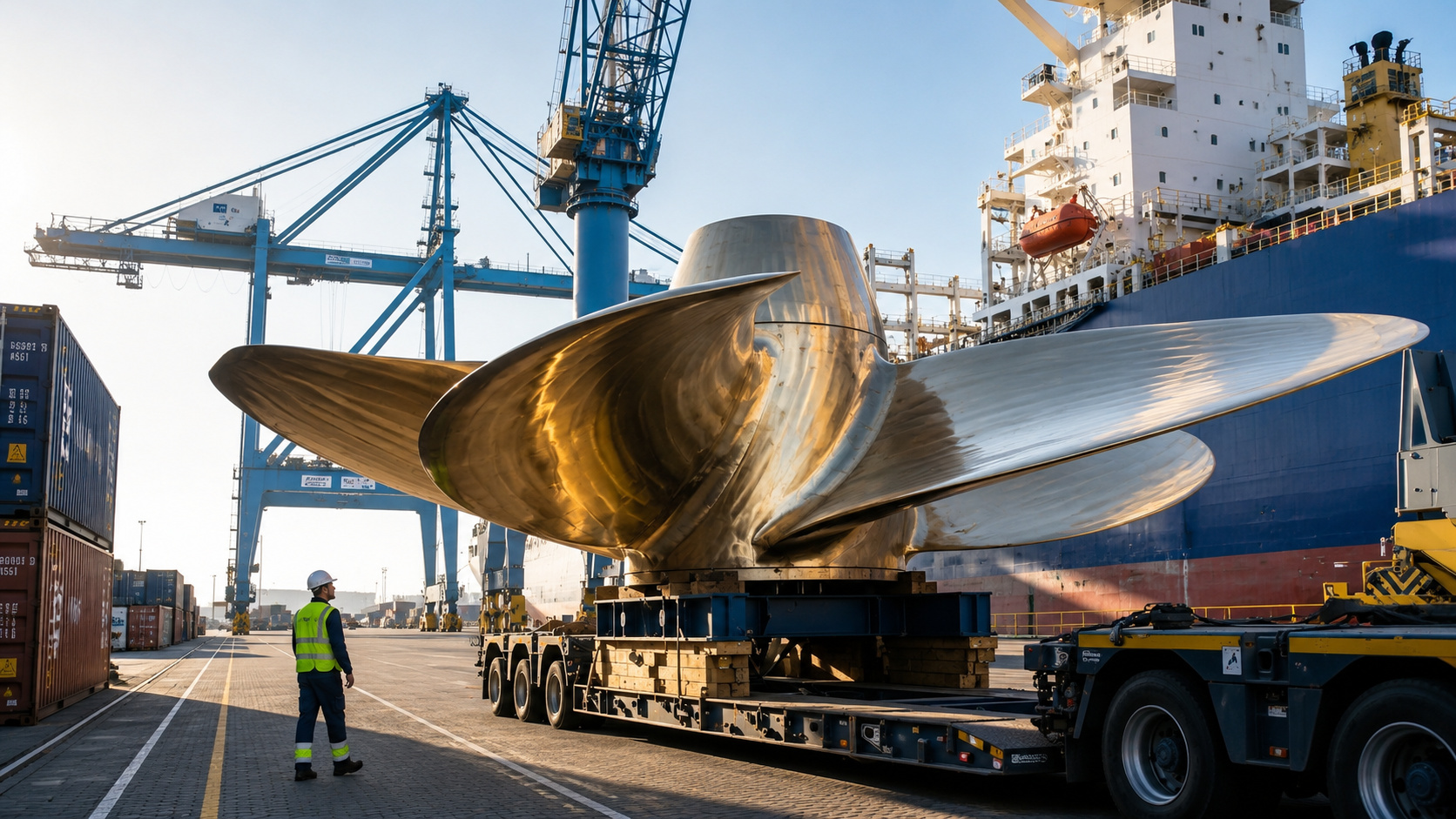
131-Ton Naval Propeller, Costing Up to $4 Million and Taking 4 Months to Manufacture, Powers the World’s Largest Cargo Ships Almost Invisibly

-
Brazil’s Maceió Port Joins Decarbonization Efforts with Study to Supply Clean Energy to Cruise Ships

-
Brazilian Port Expands Ship Capacity to 9.5 Meters, Boosting Cargo Transport and Reducing Logistics Costs
-
New Smart Radar Begins Issuing Fines to Solo Drivers in Carpool Lanes, Uses Cameras to Count Occupants, Changing Traffic Enforcement Rules on Busy European Roads


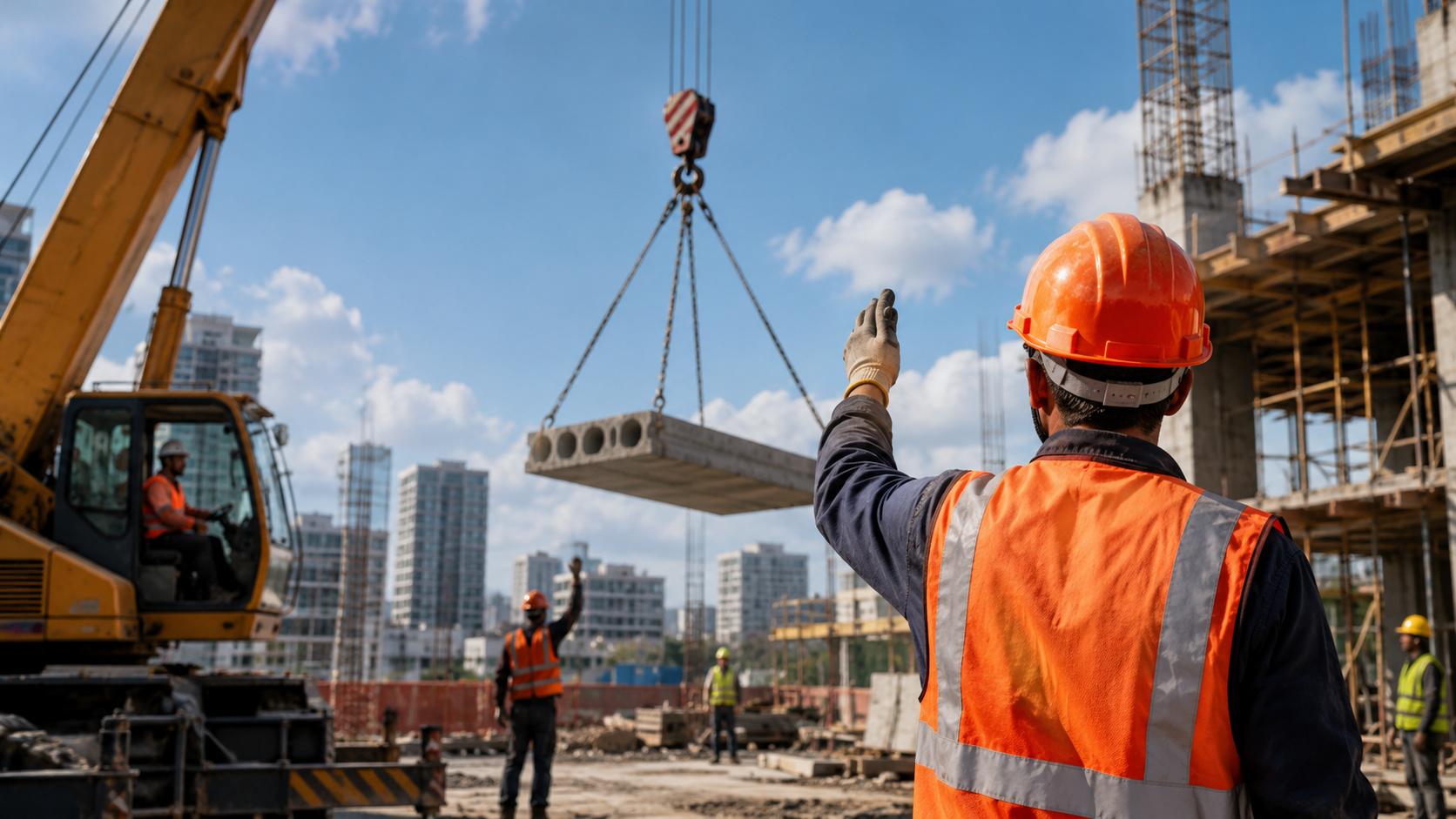
Argentine oil production reached about 874,000 barrels per day (bpd) in 2026. Milei’s goal is to double it to 1.5 million bpd by 2030.
This leap could generate between $40 and $60 billion annually in joint sector revenue.
The 5 provinces and the division of oil revenue
According to the Argentine Constitution reformed in 1994 and Law 27.007 of 2014, the subsoil belongs to the provinces. Law 17.319 of 1967 regulates hydrocarbon royalties, currently set at 12% on gross production.
According to the Argentine Energy Secretariat and El Cronista, Neuquén leads. The Patagonian province accounts for 70% of the country’s oil.
Royalties represent about 40% of the provincial current revenue, according to analyses by the Vacamuertanews portal.
Chubut is the second-largest producer. It concentrates the San Jorge Gulf Basin with Pan American Energy as the main operator.
It accounts for 13% of the national crude. Mendoza has mature conventional production and has been discussing a countercyclical fund since 2023.
Meanwhile, Santa Cruz produces about 6% of Argentine crude. Río Negro has a smaller but relevant share. The 5 provinces account for 100% of the country’s oil production.
Each one decides individually whether to create its sovereign fund and how to manage the capital.
The numbers that justify the oil boom
The growth of Argentine production is the fastest on the continent in 2026. According to YPF’s annual report, Vaca Muerta’s production jumped from 250,000 bpd in 2020 to 603,000 bpd in May 2026, an increase of 141% in 6 years.
According to the International Energy Agency, Argentina is expected to surpass 1 million bpd in 2027. The national historical record was 870,000 bpd in 1998.
The projected level of 1.5 million bpd for 2030 will be the highest in the country’s history.
The total estimated reserve of Vaca Muerta is 16 billion barrels of oil equivalent. This number places the Argentine formation among the 5 largest shale reserves in the world, behind only Permian and Eagle Ford in the USA, Russian Bazhenov, and Chinese Junggar.
Meanwhile, the production cost in Vaca Muerta fell from $70/barrel in 2017 to $36/barrel in 2026.
This number competes with the Permian Basin in the USA ($32/barrel) and is above the Middle East ($8-12/barrel).

Technical reveal: how the Norway and Alaska models work
In the background, the two international models offer distinct paths. Norway’s fund, created in 1990, receives 100% of the revenues from North Sea oil.
The accumulated assets reach $1.7 trillion in 2025.
According to Norges Bank Investment Management, the fund invests in 9,000 companies worldwide. The average annual return is 6.3% net of inflation since 1998.
Each Norwegian citizen represents a per capita wealth of $315,000.
The Alaska Permanent Fund, created in 1976, receives 25% of the state’s oil royalties. The assets reach $80 billion in 2026.
Unlike Norway, Alaska distributes annual dividends between $1,300 and $3,300 directly to each of the state’s 700,000 citizens.
Meanwhile, there are 89 sovereign funds worldwide in 2026, according to the Sovereign Wealth Fund Institute. The combined assets reach $12.5 trillion.
The 10 largest control 78% of the total. Argentina does not have a national sovereign fund, only Banco Nación and BICE with much smaller scale.
How RIGI changes the equation for oil companies
The Regime of Incentive for Large Investments (RIGI), approved in 2024 by the Milei government, created a special tax framework for projects over $200 million.
The main target is oil & gas, copper and lithium mining, hydrogen, and renewable energies.
According to the Argentine Energy Secretariat, RIGI offers 4 main benefits. Reduced corporate income tax from 35% to 25%.
Tax stability for 30 years. Free availability of foreign exchange. Possibility to export 100% of production without mandatory local quota.
The result was immediate. In 2025, $18 billion in RIGI projects were approved. In May 2026, another $25 billion are under review. Vaca Muerta concentrates 60% of RIGI requests in the oil sector.
Above all, YPF leads with 4 active RIGI projects. The state-mixed oil company is led by Horacio Marín, president since 2024, former CEO of Tecpetrol from the Techint group.
Tecpetrol, Pampa Energía, and Pan American Energy complete the 4 largest operators in Vaca Muerta.

Human reveal: Minister Caputo and deregulator Sturzenegger
The human face of the strategy lies in 3 key figures. President Javier Milei positions nuclear, lithium, and Vaca Muerta as pillars of the Argentine economic reset.
Economy Minister Luis Caputo operates the macroeconomic strategy.
According to an analysis by Infobae, Minister Federico Sturzenegger is the third pillar. He coordinates the deregulation of the energy sector since December 2023 and is the intellectual author of RIGI.
Meanwhile, YPF President Horacio Marín is the main operator on the business side. He has 32 years of experience in oil and has held the position at the largest Argentine state-mixed oil company since December 2023.
On the other hand, the national government is discussing with the 5 governors of the producing provinces how each sovereign fund will be structured. Each provincial government has its own budget and constitutional autonomy to create financial instruments.
How Argentina compares with Brazil, Colombia, and Venezuela
Brazil has regulated oil royalties since 1997 with Law 9.478. The resources go to the National Treasury, producing states and municipalities, without a dedicated sovereign fund.
The Pre-Salt Brazil Pole has accumulated $142 billion in revenues since 2008 but without an independent fund.
According to the ANP, Brazil produced 3.2 million bpd in May 2026, almost 4 times Argentina.
The difference lies in the federal structure: Brazil centralizes resources, Argentina distributes more to the producing provinces.
Colombia has the FONPET sovereign fund for municipal pensions since 1999, with $18 billion in 2026. Venezuela uses oil revenues directly in the current budget, without a reserve fund, and has faced production collapse since 2013.
Meanwhile, the global market is watching Argentina closely. Production in Vaca Muerta is growing at the fastest rate in the Western Hemisphere.
The provincial sovereign funds model is a unique federal experiment in Latin America.

Future reveal: the political timeline until the 2027 elections
The next step planned by the Milei government is the approval of the first provincial sovereign fund statutes by December 2026. Neuquén and Mendoza are the 2 provinces with the most advanced debate.
Meanwhile, the timeline includes 4 critical milestones by 2027. Approval of at least 3 provincial funds. Initial operation in January 2027.
First potential dividend distribution in 2028. Possible federalization of part of the royalties in constitutional discussion.
According to La Nación, the Peronist opposition in the National Congress resists the full opening of RIGI. The legislative elections in October 2027 will determine whether Milei maintains operational majority or loses maneuvering power.
It is worth remembering the coverage of sectoral transformations in other countries in the region.
- Argentine production May 2026: 874,000 bpd (historic record)
- Vaca Muerta: 603,000 bpd, increase of 141% since 2020
- 2030 Goal: 1.5 million bpd
- Total reserve: 16 billion equivalent barrels
- Estimated joint annual revenue 2030: $40 to $60 billion
- Provincial royalties: 12% on gross production
- Reference model 1: Norway ($1.7 trillion accumulated)
- Reference model 2: Alaska ($80 billion, annual dividends)

The points that still depend on political approval
Despite the announcement, 3 fronts still depend on political progress. The approval of provincial statutes needs to pass through the Legislatures of the 5 producing provinces.
On the other hand, the exact division of income between Nation, provinces, and sovereign funds is an open constitutional discussion. Finally, the fall of the international oil price below $60 per barrel may reduce the attractiveness of RIGI projects.
The outcome of these variables defines the pace of the Argentine strategy.