






 Portuguese
  Spanish
  4 min of reading
  0 comments


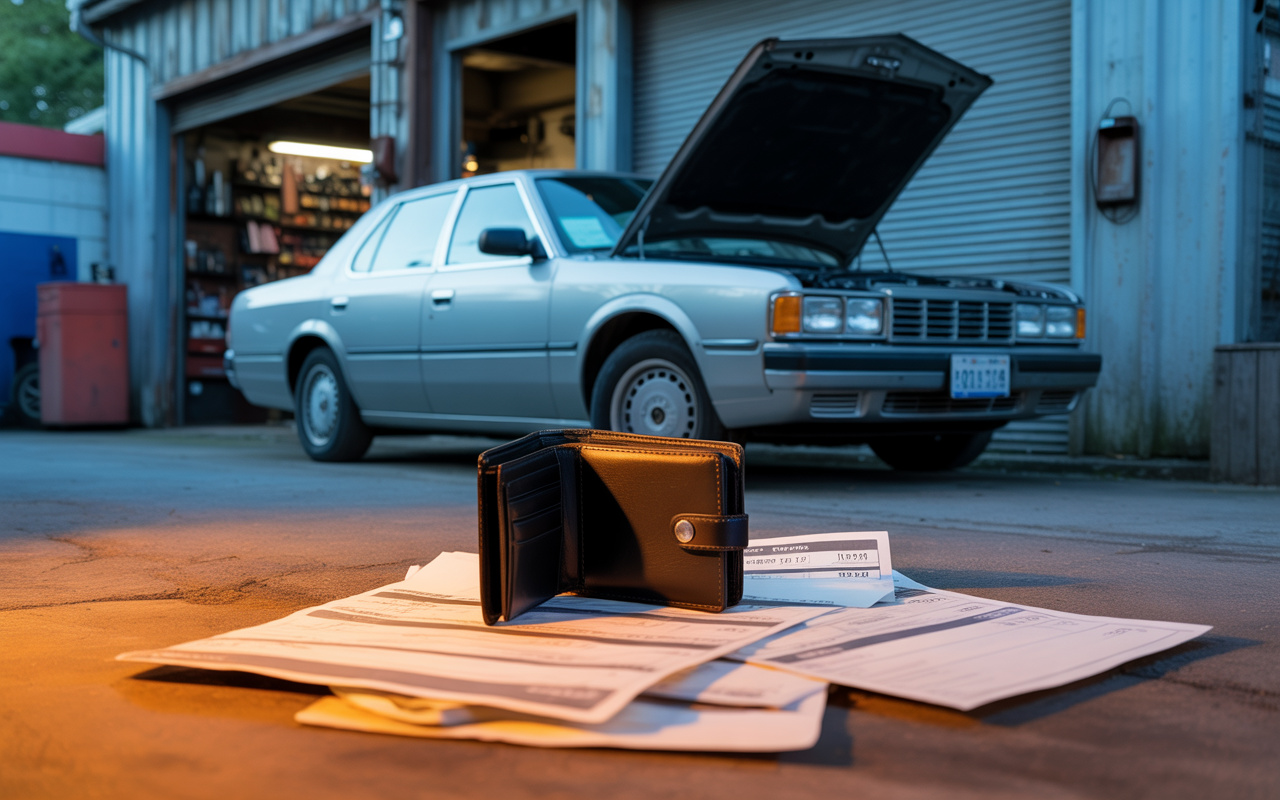
Buying A Used Car Earning The Minimum Wage Can Turn Into Debt When The Monthly Cost Is Ignored; See The Most Common Mistake And How To Avoid Loss.
For those earning the minimum wage, buying a used car often seems like the realization of a dream, but in practice, it is also the point where many enter into a cycle of debt that is hard to escape. The problem is rarely a lack of income and almost always lies in the wrong decision at the time of purchase.
The mistake is so common that it repeats itself every day in classifieds and workshops. People who chose a “cheap” car in appearance, but expensive to maintain, end up compromising the monthly budget and turning the vehicle into a constant source of loss.
The Main Mistake: Just Looking At The Car Price And Ignoring The Monthly Cost
The biggest mistake for those earning the minimum wage is to focus only on the purchase price and completely forget about the real monthly cost of the car. A vehicle priced at R$ 15 thousand may seem affordable, but if it has high insurance, high fuel consumption, and expensive maintenance, it quickly becomes unfeasible.
-
New Honda HooRide 125 scooter debuts in China with ADV styling, 17-inch wheels, TFT panel, Smart Key, and fuel consumption of up to 47.17 km/l, aiming to resemble an urban X-ADV with a 125 engine, CVT transmission, and an economical proposal for cities.

-
Volkswagen focuses on ethanol and tests a Saveiro 100% alcohol-powered with a recalibrated engine; the project may ensure tax reduction, targets corporate fleets, and revives technology that lost ground since the arrival of flex-fuel vehicles in 2003.

-
Keeping your foot lightly on the brake pedal while driving may seem harmless, but mechanics warn: this habit generates constant heat, wears out the pads too quickly, and can warp the discs, making braking expensive and dangerous.

-
The YouTuber Mark McCann bought a Bugatti Veyron for almost $1.2 million, but discovered that the supercar’s gearbox is so damaged that even Bugatti itself won’t accept to repair it, and the repair could cost a fortune.




Many buyers confuse “cheap car” with “cheap to maintain car”, when in fact they are completely different things. It is at this point that indebtedness begins.
When The Used Car Turns Into A Financial Trap
Cars with large engines, old automatic transmissions, complex technology, or hard-to-find parts tend to have low prices precisely because the market already knows the risks. Those who buy without understanding this end up paying the price later.
A single breakdown of the transmission, suspension, or electronic system can cost the equivalent of several months of minimum wage, something impossible to absorb without debt.
IPVA, Insurance And Consumption: The Silent Villains Of The Budget
Those with low incomes feel the weight of fixed costs more. The IPVA, even diluted, can represent a significant impact at the beginning of the year. Insurance, when it exists, often consumes a huge chunk of the monthly income.
Fuel consumption is the most constant expense. A car that achieves 8 or 9 km/l may seem normal, but at the end of the month it drains a significant part of the salary, especially for those who use the car every day.
Unpredictable Maintenance Is The Shortest Path To Debt
Used cars with unknown histories and complex mechanics are the biggest danger for those living on a tight budget. When maintenance is unpredictable, the owner never knows if next month they will have extra money or be short.
For those earning the minimum wage, predictability is more important than comfort or status. A simple car that breaks down little and has low workshop costs is always the safest choice.
The Emotional Mistake: Buying The “Dream Car” Instead Of The Possible Car
Another decisive factor is the emotional aspect. Many buyers choose the car they always wanted, even knowing that it is beyond their financial reality. The problem is that the dream quickly turns into debt.
A car cannot be treated as a prize or achievement when income is limited. It needs to be viewed as a tool for mobility, nothing more than that.
How To Avoid Indebtedness When Buying A Used Car Earning Minimum Wage
Avoiding this mistake requires a shift in mindset. The buyer needs to consider the monthly cost first, not the looks, year, or brand. The ideal car is one that can run the whole month without causing financial shocks.
Models with small aspirated engines, simple injection systems, manual transmissions, low market value, and abundant parts are the ones that fit best into this reality. They may not impress, but they preserve the budget.
The Correct Calculation That Almost Nobody Does Before Buying
Before closing a deal, those earning the minimum wage should ask themselves: how much will this car cost per month in fuel, basic maintenance, and taxes? If the answer exceeds 25% of monthly income, the risk is already high.
This simple calculation prevents the car from becoming a reason for delays in essential bills like rent, electricity, and food.

Why Simple Cars Keep People Out Of The Red
Old popular cars continue to dominate the streets because they work. They have low IPVA, affordable insurance, controlled fuel consumption, and predictable maintenance. This is what keeps the owner financially stable. Choosing a simple car is not a lack of ambition, it is financial intelligence.
Earning the minimum wage does not prevent anyone from owning a car, but it requires much more careful choices. The mistake that leads to debt is not in the income but in the purchase decision made without planning.
When the focus shifts from price to monthly cost, the car ceases to be a problem and starts to serve its purpose. Those who understand this use the car as an ally; those who ignore it end up paying dearly for a mistake that could have been avoided.





Be the first to react!