






 Portuguese
  Spanish
  2 min of reading
  0 comments


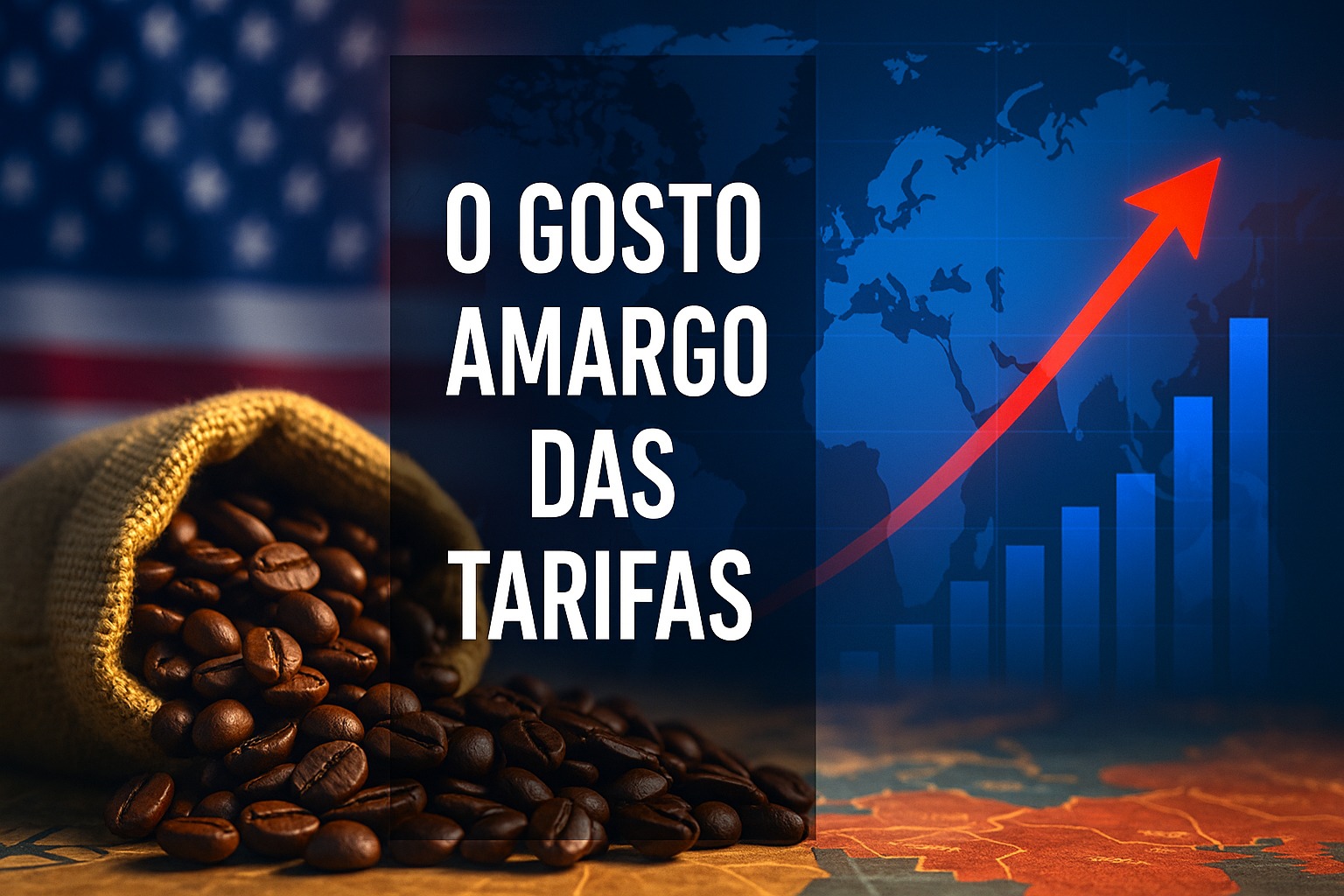
US Tariffs and Drought in Brazilian Crops Pressure Producers, Reduce Arabica Stocks, and Cause Coffee Prices to Soar in New York
Brazilian Coffee, the world’s largest producer, has begun paying tariffs in the American market since August 6. This measure was imposed by the government of Donald Trump, which applied a 50% tariff on the Brazilian bean.
The decision excluded the product from the list of exceptions and had an immediate impact. Since then, futures contracts for Arabica coffee have registered a strong increase, raising concerns about supply and demand.
Prices Nearing Historic Highs
On the New York Stock Exchange, the most active Arabica contract reached US$ 4.24 per pound this Tuesday. The value was slightly below the historic record of US$ 4.2995, set in February of this year.
-
Brazilian Joins Homeownership Consortium, Faces Decade of Dual Payments Totaling $141,000, Surpassing Traditional Mortgage

-
Land Rover to Halt Production in July, Putting 371 Jobs at Risk, as Chinese Automaker Negotiates to Convert Factory to 100,000 Vehicles Annually by 2027

-
Mexican Pest Threatens U.S. Cattle Herds at Historic Lows, Potentially Boosting Brazilian Beef Exports as Burger Prices Soar

-
Brazilian Freight Bill Progresses in Congress with $5,000 Minimum Wage, 70% Advance Payment, and Fines Up to $1 Million, as Agriculture and Industry Warn of Rising Costs and Legal Uncertainty


This increase represents an approximate rise of 50% since the beginning of August. The combination of American tariffs and drought in Brazilian regions has fueled the surge.
Falling Coffee Stocks Concern the Market
Analysts highlight that Brazil’s limited supply may not be sufficient to replenish already reduced stocks.
The warehouses monitored by the exchange reported the lowest volume of Arabica since April 2024.
The analyst at Hedgepoint Global Markets, Laleska Moda, explains that shipments have generally decreased, but the drop to the United States has been even more pronounced due to the tariffs.
Weather Remains a Risk Factor
The weather in Brazil maintains tension between producers and investors. The trading company Sucafina expects seasonal rain to return this week, but experts say the expected volume will not be enough to recover soil moisture in the Southeast.
According to meteorologist Nadiara Pereira from Climatempo, the precipitation so far has not been able to reverse the condition of water stress in the main coffee-growing regions.
Volatility Increases Operating Costs
In light of this instability, the Intercontinental Exchange, responsible for coffee futures contracts, raised the margin requirements for Arabica trades on Monday.
This measure is considered standard in times of increased volatility. However, it makes it more costly for traders to maintain their positions, further amplifying the challenge in a market already pressured by tariffs and adverse weather.
The result is a sector facing both trade barriers imposed by the United States and climate uncertainties in Brazil.
As a result, the price of coffee continues to rise and is once again close to its historic records.
With information from O Globo.





Be the first to react!