






 Portuguese
  Spanish


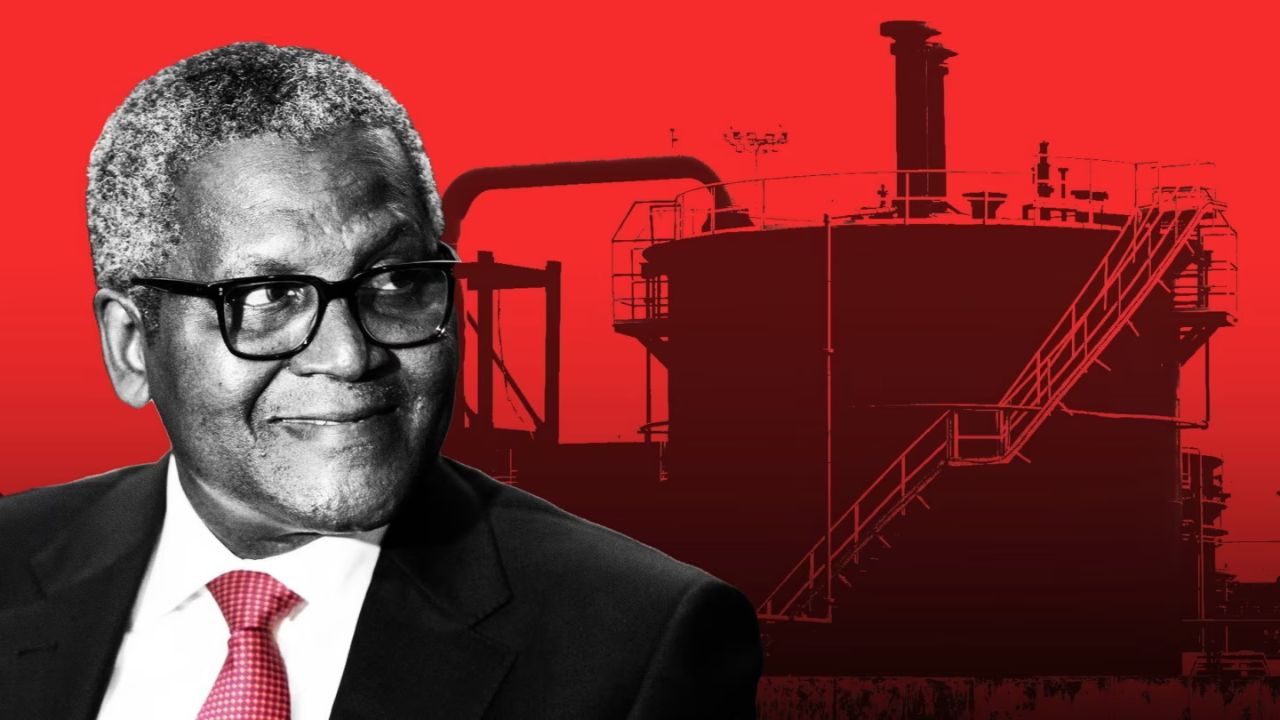


Aliko Dangote, the richest man in Africa, did not achieve his fortune just by luck. He risked billions of dollars in a grand project: the Dangote Refinery. After more than a decade of challenges, the investment of US$ 23 billion finally paid off, doubling his fortune and putting him back among the 100 richest people in the world.
The refinery of the richest man in Africa, located in Nigeria, is already impacting global energy markets and challenging traditional refineries in Europe. But this journey has not been easy, marked by difficulties with the government, legal disputes, and an unstable economic climate.
The Construction of the Dangote Refinery and Its Challenges
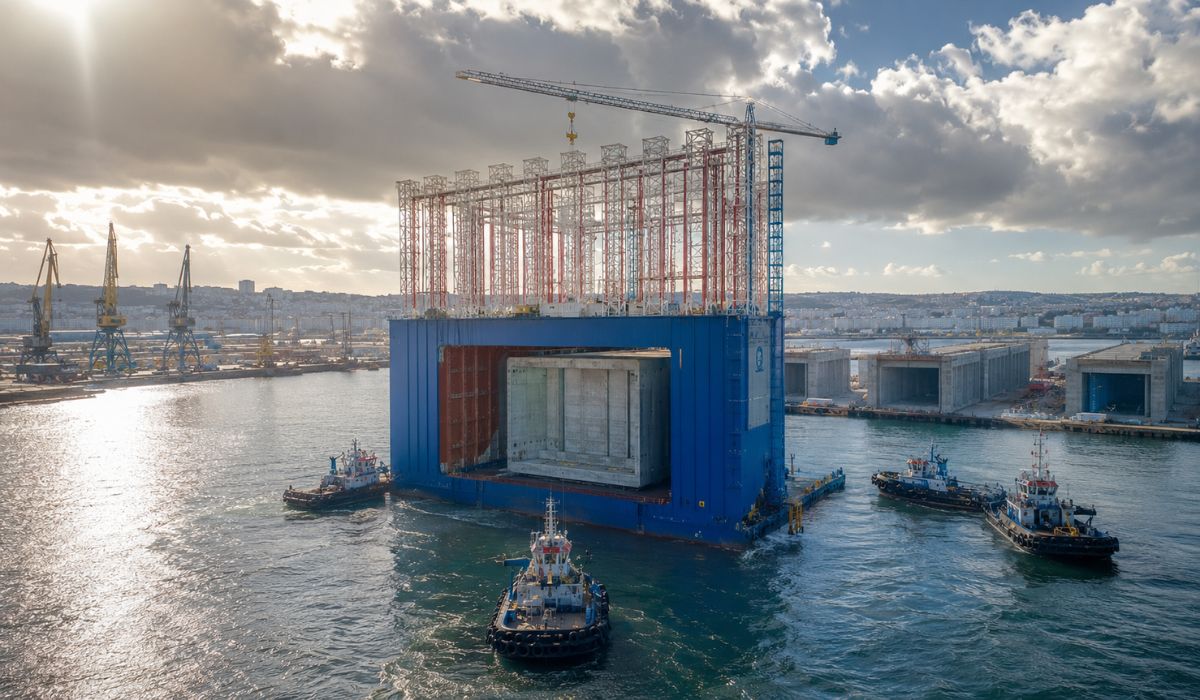
The refinery project began 11 years ago, with the ambition of turning Nigeria into a petroleum refining hub. Located in Lekki, about an hour from Lagos, the plant occupies a complex of 25 million square meters.
During construction, Dangote, the richest man in Africa, faced obstacles such as political disputes, delays in obtaining raw materials, and difficulties with local infrastructure. The Covid-19 pandemic also brought complications, raising costs and further delaying the project.
-
Abandoned Building in Brazil to Become Biotechnology Unit with $10 Million Investment, Bridging Science, Industry, and Public Health

-
Company Offering “Stones to Diamonds” Scheme Sells Ruined Italian Homes to Brazilians for 1 Euro, Disappears with Promised Renovations, Leaving Buyers in Debt to Italian Tax Authorities Until 2028 Without Property

-
Plastic Packaging Drives Santa Catarina Industry to 230% Growth, Aiming for R$ 500 Million by 2030 Amid Sector Crisis, with New Gearless Line Expanding in Southern Brazil to Compete in South America

-
Flamengo Star Invests in Brazilian Coastal Luxury Real Estate as Itapema Surpasses Balneário Camboriú in High-End Market Growth


Finally, in the second half of 2024, the refinery began operations, processing 350,000 barrels of oil per day. In January, production increased to 500,000 barrels daily, with expectations to reach 650,000 bpd, becoming the largest refinery in Africa.
The Growth of Aliko Dangote’s Fortune
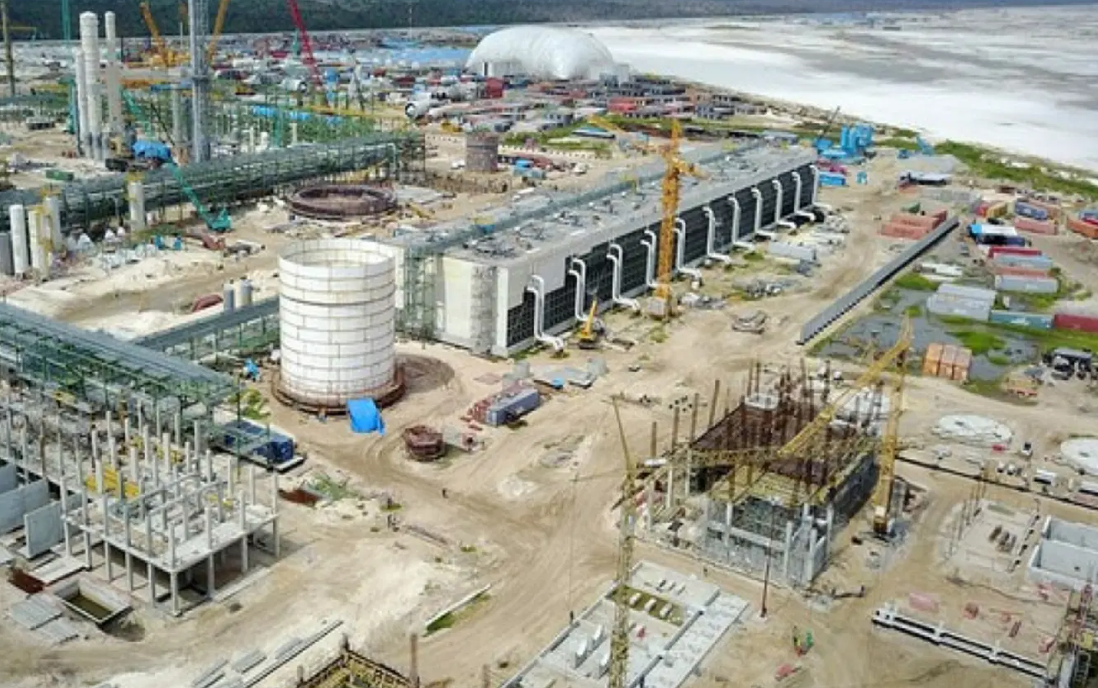
With the refinery’s commencement, Dangote’s fortune jumped to US$ 23.8 billion, nearly double the value from the previous year. This growth allowed him to return to the list of the 100 richest people in the world, according to Forbes.
The refinery not only consolidated his fortune, but also altered the global energy landscape. Nigeria’s gasoline imports fell to the lowest level in eight years, hurting European refineries that traditionally supplied the country. Nigeria is now exporting aviation kerosene and other derivatives, strengthening its position in the international market.
However, not everything is good news. Dangote, who is the richest man in Africa, faces challenges with the Nigerian National Petroleum Corporation (NNPC), which initially promised to supply 300,000 barrels of oil per day to the refinery but failed to meet the agreement. This dispute led Dangote to sue the state-owned company in September 2024.
The Role of the Refinery in Africa’s Industrialization
Aliko Dangote has always argued that Africa needs to develop its own industrial infrastructure, without relying on foreign investments. For him, the refinery represents an essential step towards energy independence for the continent.
Historically, Nigeria, despite being one of the largest oil producers in the world, depended on the import of refined fuels, mainly from Europe. Government attempts to build refineries have failed, increasing external dependence.
With the Dangote Refinery entering the market, this reality began to change. The Nigerian government even attempted to eliminate gasoline subsidies in 2023, hoping the refinery would cover local demand. However, fuel prices rose by 60% in the following months, leading to new protests in the country.
The Vision of Aliko Dangote for the Future of Africa
Dangote believes that his refinery is a model for the continent’s industrialization. He argues that Africa cannot continue to be just an exporter of raw materials, but must add value to its own resources.
In addition to oil, he has expanded his business into sectors such as cement, sugar, and fertilizers. His petrochemical complex adjacent to the refinery is the largest producer of fertilizers in Africa, with a capacity of 3 million metric tons per year.
The billionaire also plans to expand his refinery to produce natural gas and double fertilizer production. There are plans to go public in the coming years, making it one of the global giants in the sector.




António José Chicolassonhi ,agradecer a toda equipa que sabiamente têm colocado este saber aos leitores e que Deus vos abençoem,por outro que o empresário deve explorar mais e mais o mercado Angolano e deve financiar os empreedendores angolanos e a minha província vai recebe-lo com muito grado.