






 Portuguese
  Spanish


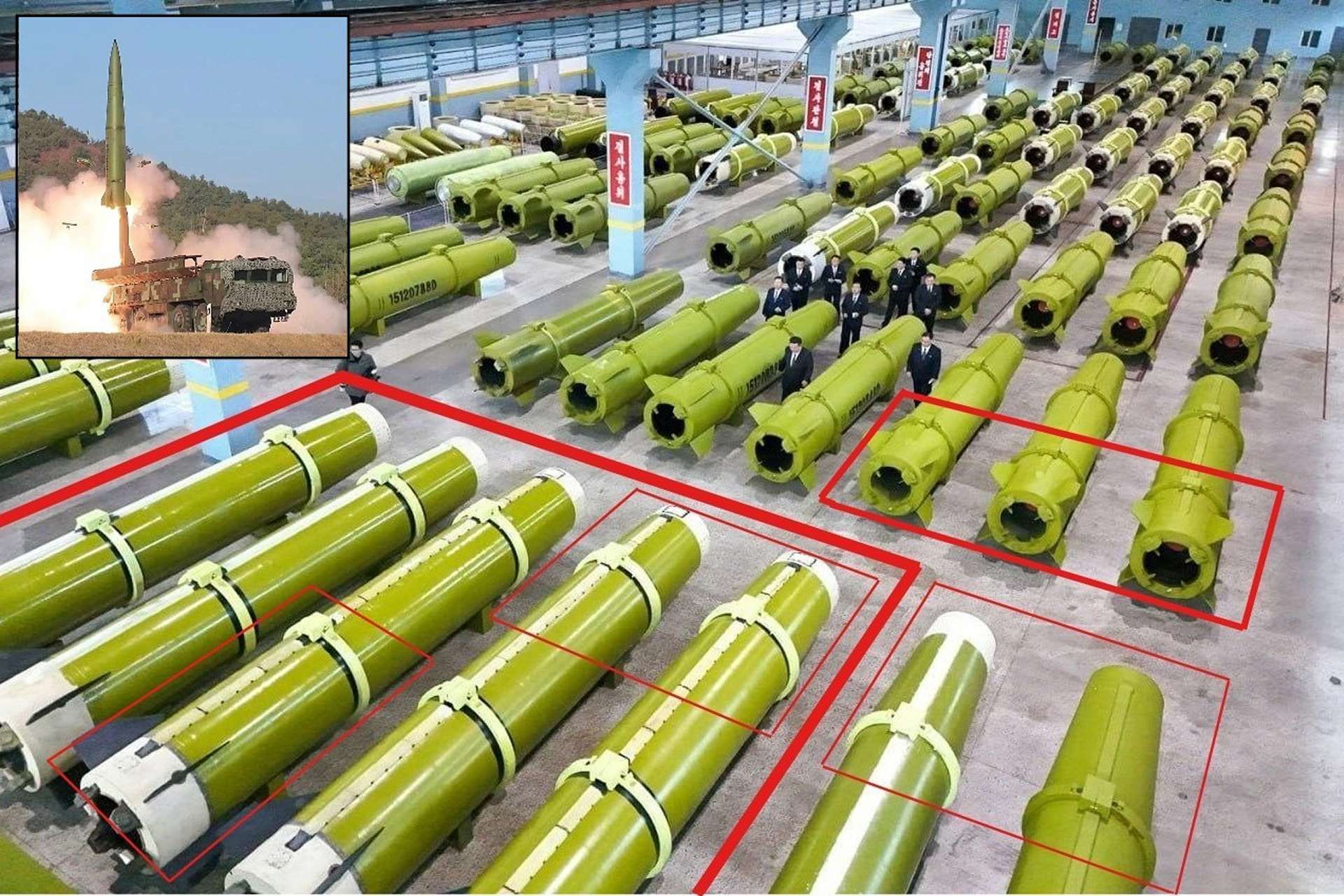


With a range of about 600 km and a hypersonic gliding vehicle, the Hwasong-11E introduces unpredictable flight and high speed to North Korea’s ballistic arsenal, challenging modern defenses.
The unveiling of the Hwasong-11E marked another step in the transformation of North Korea’s missile program, which shifted from focusing solely on raw range to prioritizing extreme speed, maneuverability, and survival against modern missile defense systems. Although classified as a short- to medium-range missile, the Hwasong-11E should not be analyzed solely by its range, but by the radically different flight profile it introduces to the regional theater.
By betting on a hypersonic gliding vehicle, Pyongyang signals its intent to complicate the air defense of its direct adversaries, even without resorting to intercontinental missiles in this specific case.
A Missile Designed For The Regional Battlefield
With an estimated range of around 600 kilometers, the Hwasong-11E is clearly designed for regional scenarios. This range is sufficient to cover the entire Korean Peninsula, hit military bases in the south, and reach nearby strategic targets, without the need for long-range systems.
-
U.S. Navy’s Ticonderoga-class Cruiser Becomes a 9,800-Ton Missile Fortress with Advanced Aegis System Capable of Tracking Hundreds of Targets

-
France’s Charles de Gaulle: The Sole Nuclear-Powered Aircraft Carrier Outside the US, Weighing 42,500 Tons and Equipped with Two Atomic Reactors

-
The military spaceplane that almost took the Cold War into orbit: Boeing X-20 Dyna-Soar was designed to re-enter above Mach 20, fly for up to 40 hours, land like a plane, and transform Titan rockets into a gateway to a new era of orbital warfare.
-
FAB bets on national drones and increases investments to strengthen the Brazilian aerospace industry



This choice is not a limitation, but a strategic decision. Missiles of this class are quicker to deploy, easier to disperse, and more suitable for saturation attacks in short-duration conflicts or rapid escalations.

The central differentiator of the Hwasong-11E lies in its use of a hypersonic gliding vehicle. Unlike a traditional ballistic missile, which follows a predictable trajectory after the initial boost phase, the hypersonic vehicle separates from the rocket and begins to glide at lower altitudes, performing lateral and vertical maneuvers.
This behavior disrupts classic interception models. Systems like Patriot, THAAD, and ballistic calculation-based interceptors rely on predictability. By reducing this predictability, the Hwasong-11E dramatically shortens the reaction time of defensive systems.
Speed As A Strategic Weapon
Although exact numbers are not officially disclosed, analyses indicate that the Hwasong-11E operates at hypersonic speeds in the terminal stage, above Mach 5. In practical terms, this means the missile travels tens of kilometers in just a few seconds during the final phase of the attack.
This combination of high speed and active maneuvering transforms the detection, decision, and interception time into an extremely short window, even for modern and integrated defenses.
Mobility And Survival
Like other recent North Korean systems, the Hwasong-11E has been showcased alongside mobile ground platforms, enhancing its survivability. Mobility allows for rapid dispersion, concealment, and launch from various locations, making preemptive strikes more difficult.
For a country operating under constant surveillance from satellites and electronic intelligence, the ability to hide and move its attack vectors quickly is as important as the missile’s performance itself.
Direct Pressure On South Korean And Allied Defenses
The Hwasong-11E is not a missile designed for global deterrence but to directly pressure South Korea, Japan, and U.S. forces stationed in the region. By introducing a maneuverable hypersonic vector, Pyongyang forces its adversaries to reconsider the effectiveness of their current defensive networks.
Even though the system is still in the demonstration and testing phase, its mere existence alters the regional strategic calculus, requiring additional investments in sensors, low-altitude radars, and new interceptors.
Political Demonstration As Much As Military
The public display of the Hwasong-11E in 2025 also had a strong political component. North Korea sought to demonstrate that it is keeping pace with global trends, such as hypersonic weapons, and that it is not technologically isolated from the rest of the military world.
More than just announcing an immediate operational missile, Pyongyang showcased engineering capability, conceptual mastery, and a clear intention to continue evolving in this field.
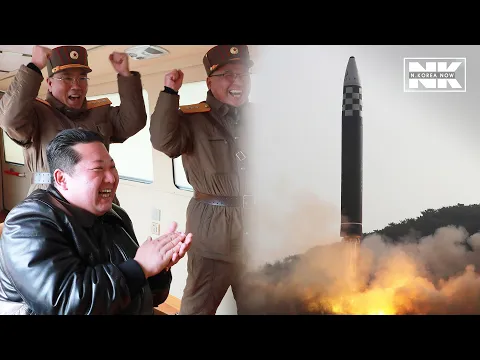
Despite the visual and strategic impact, Western analysts emphasize that there are still uncertainties regarding the operational maturity of the Hwasong-11E. Extensive testing, serial reliability, and full integration into command systems are steps that require time and resources.
Nevertheless, even as a developing system, the missile already plays an essential role: forcing the adversary to prepare for the worst-case scenario.
A New Level In The North Korean Arsenal
The Hwasong-11E symbolizes North Korea’s transition to a phase in which flight quality and defense evasion become as important as range or warhead power.
By incorporating hypersonic concepts into a regional missile, the country expands its coercive capability and complicates its neighbors’ defensive architecture.
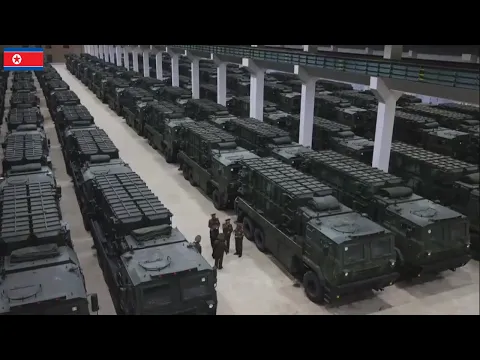
More than an isolated weapon, the Hwasong-11E represents a strategic warning: the missile war in East Asia is entering an era where speed, maneuver, and unpredictability will be as decisive as the number of warheads.




O 1d10ta p0rc0 gordo não dá comida ao Povo mas gasta o que não tem para fazer guerra. Dá pena desses d1tad0res de ****
Se você tivesse sua casa invadida e o fosse obrigado a viver em caverna por mais de 30anos enquanto os EUA bombardeava tudo o que se movia no solo talvez um **** como você mudasse de ideia ou o primeiro aceno americano já estaria lambendo as botas
Não existe fome na Coreia, todos têm direito à moradia básica, saúde pública, educação livre de custos, impostos abolido, além de receberem semanalmente pacotes de alimentos básicos. O desemprego e o analfabetismo já foram erradicados há décadas atrás. Se houveram gastos pesados no setor militar, então significa que não há preocupações presentes no setor social. Kim Jong-Un não é nem ao menos o chefe supremo da nação (que no caso é Pak Thae-Song), ele pode ser despedido a qualquer momento pela Assembléia Popular Suprema. A população não possui sequer uma única queixa sobre a sua liderança, os protestos são totalmente legalizados segundo a constituição, e do mesmo jeito você nunca irá ouvir falar sobre um único.