Portuguese
  Spanish





Understand The Billion-Dollar Purchase That Catapulted CSN To The Vice-Leader Position In The Sector, Surpassing Intercement And Intensifying The Competition With Votorantim
In one of the largest and most strategic moves in the Brazilian industry, CSN Cimentos, a subsidiary of Companhia Siderúrgica Nacional, made a billion-dollar purchase that reshaped the sector’s landscape. In September 2021, Benjamin Steinbruch’s company closed the acquisition of all of Swiss giant Holcim’s assets in Brazil, in a transaction valued at US$ 1.025 billion.
The deal, concluded in 2022, was not just an acquisition but the consolidation of a new powerhouse. Overnight, CSN transformed from a regional player into the second-largest cement producer in the country. The move, which involved complex financial and regulatory engineering, was driven by CSN’s ambition for growth and Holcim’s shift in global strategy.
How Was The Billion-Dollar Purchase From Holcim?
The process that led to the billion-dollar transaction began in April 2021, when the Franco-Swiss group Holcim, the world’s largest cement company, announced its intention to sell its operations in Brazil. The bidding attracted several interested parties, but CSN Cimentos came out on top, signing the definitive purchase agreement on September 9, 2021.
-
7,500-Year-Old Salt Production Traces in Bosnia Uncover Rare Prehistoric Technology and Shed Light on Food History

-
Man Discovers 2,000-Year-Old Roman Cistern with Drone in Brazil

-
Abandoned Mansion in Brazil Unveils 4 BMWs, Home Theater, Indoor Pool, and Numerous Apple Computers
-
One of Brazil’s Most Beautiful Beaches Faces Severe Pollution as River Contamination Exceeds Safe Limits by 50 Times, Fines Could Exceed $10,000


The acquired package was robust and strategic. The billion-dollar purchase included five integrated cement plants, four grinding stations, six aggregate units, and nineteen concrete centers, as well as substantial limestone reserves. The transaction, which received final approval from CADE (Administrative Council for Economic Defense) in August 2022, was officially completed the following month.
CSN’s Strategy: From Steelmaker To A Cement Empire
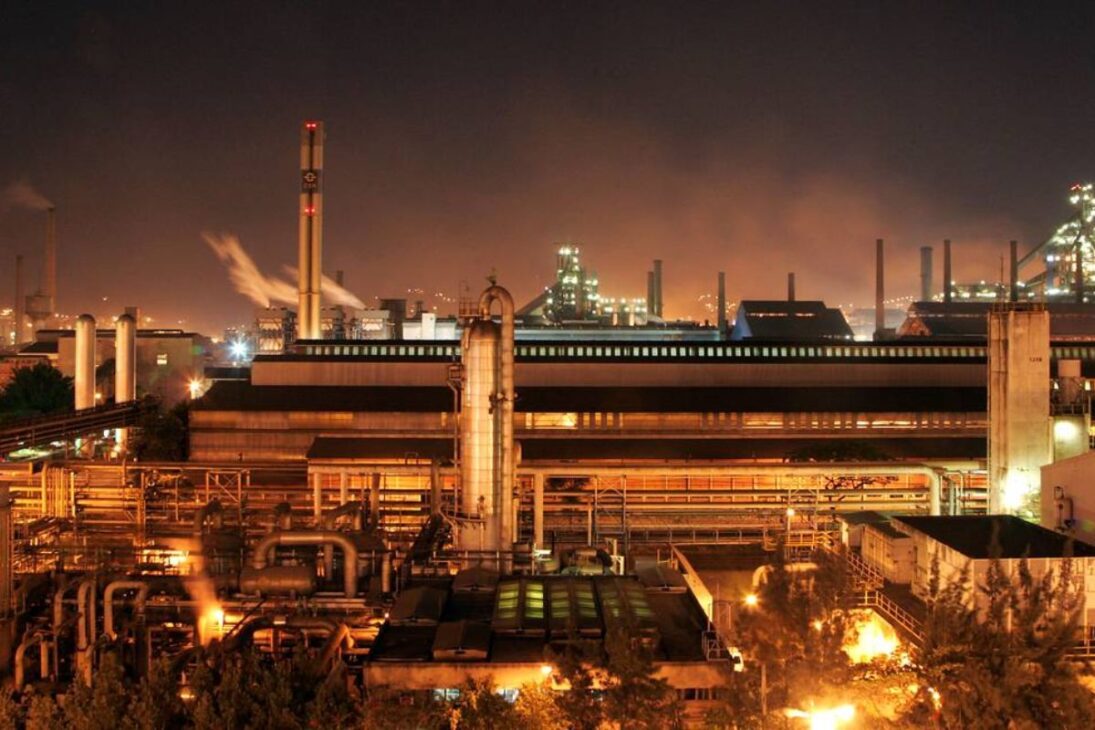
For CSN, the acquisition was a decisive step in its expansion and diversification strategy. The company, previously concentrated in the Southeast, gained a national presence, with assets spread across the country’s highest consumption regions. According to CSN’s CFO, Marcelo Ribeiro, the transaction advanced the company’s growth plan by about seven years.
The move came at a perfect time. CSN was well capitalized, fueled by resources from the IPO of its mining unit, CSN Mineração. The company leveraged this financial strength to act aggressively, consolidating its position and transforming its cement business into a third pillar alongside steel and iron ore.
Why Did Swiss Giant Holcim Decide To Sell Everything In Brazil?
While CSN sought expansion, Holcim was undergoing a global reorientation process. The sale of its assets in Brazil was a strategic decision to strengthen its financial balance and reduce debt. The company used the proceeds from the transaction to invest in its “Solutions and Products,” higher value-added segment.
The exit from Brazil also aligns with a trend among large European conglomerates to divest from carbon-intensive operations, such as cement production. Holcim has a global target of becoming a “net zero” company, and the sale of Brazilian assets helped improve its sustainability profile.
CSN In The Vice-Leader Position In The Market
The billion-dollar purchase by CSN triggered an immediate change in the sector ranking. Before the transaction, the market was led by Votorantim Cimentos, followed by Intercement. Holcim was the third largest, with approximately 10% market share.
By incorporating these assets, CSN Cimentos jumped to the second position, with an estimated market share of 18.5%. Intercement fell to third place. The unrestricted approval of the operation by CADE on August 17, 2022 was the final stamp that solidified this new order of forces, creating a scenario of even fiercer competition at the top of the Brazilian cement market.