Portuguese
  Spanish


After Acquiring Highway Concessions In Peru, Brookfield Asset Management Faces Severe Institutional Crisis, Marked By Protests Against Tolls In Lima, Billion-Dollar Legal Dispute And Risk To Confidence In Infrastructure Investments In Latin America
Brookfield Asset Management, one of the largest asset managers in the world, made a big bet in Latin America by acquiring road concessions in Peru. The project, however, has transformed into a clear example of how the investment and infrastructure crisis can destabilize even the most experienced investors. The company faces a series of challenges: popular protests, roadblocks, unfavorable court decisions, and a billion-dollar dispute in Peru that already involves a US$ 2.7 billion arbitration request.
The case highlights the political and regulatory risks of infrastructure projects in emerging countries, and calls into question the reputation of long-term concessions in unstable environments.
What Is At Stake: Brookfield Buys Highways In Peru
Brookfield acquired control of the Rutas de Lima concessionaire in 2016, which operates three major expressways around the Peruvian capital. The purchase occurred for about US$ 430 million and represented a safe investment, with guaranteed returns for decades through indexed tolls.
-
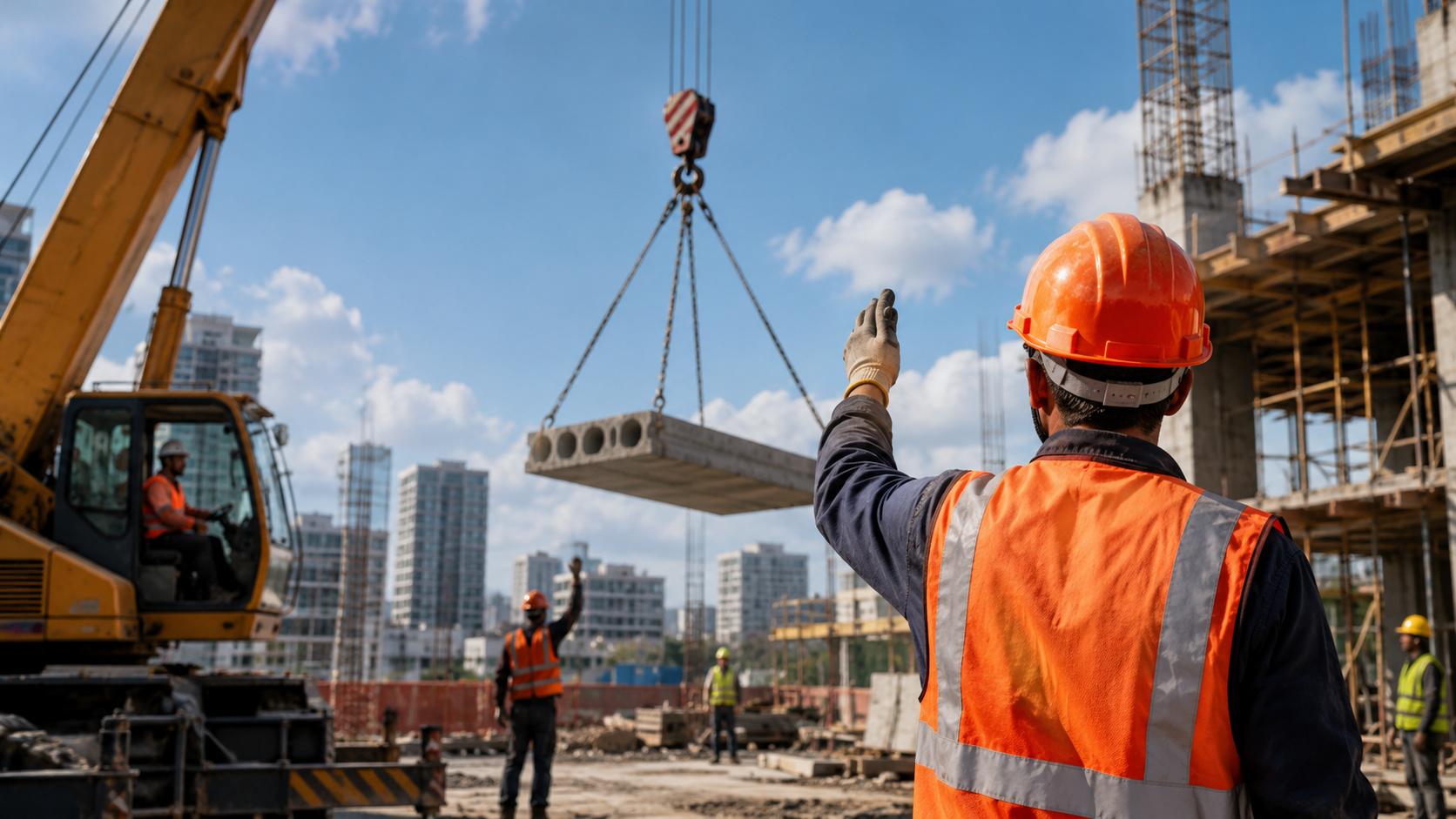
Why can the crane operator only obey the correct signalman on the construction site: among dozens of workers, a hand raised by the wrong person can confuse the maneuver and turn a load of tons into an immediate risk.

-
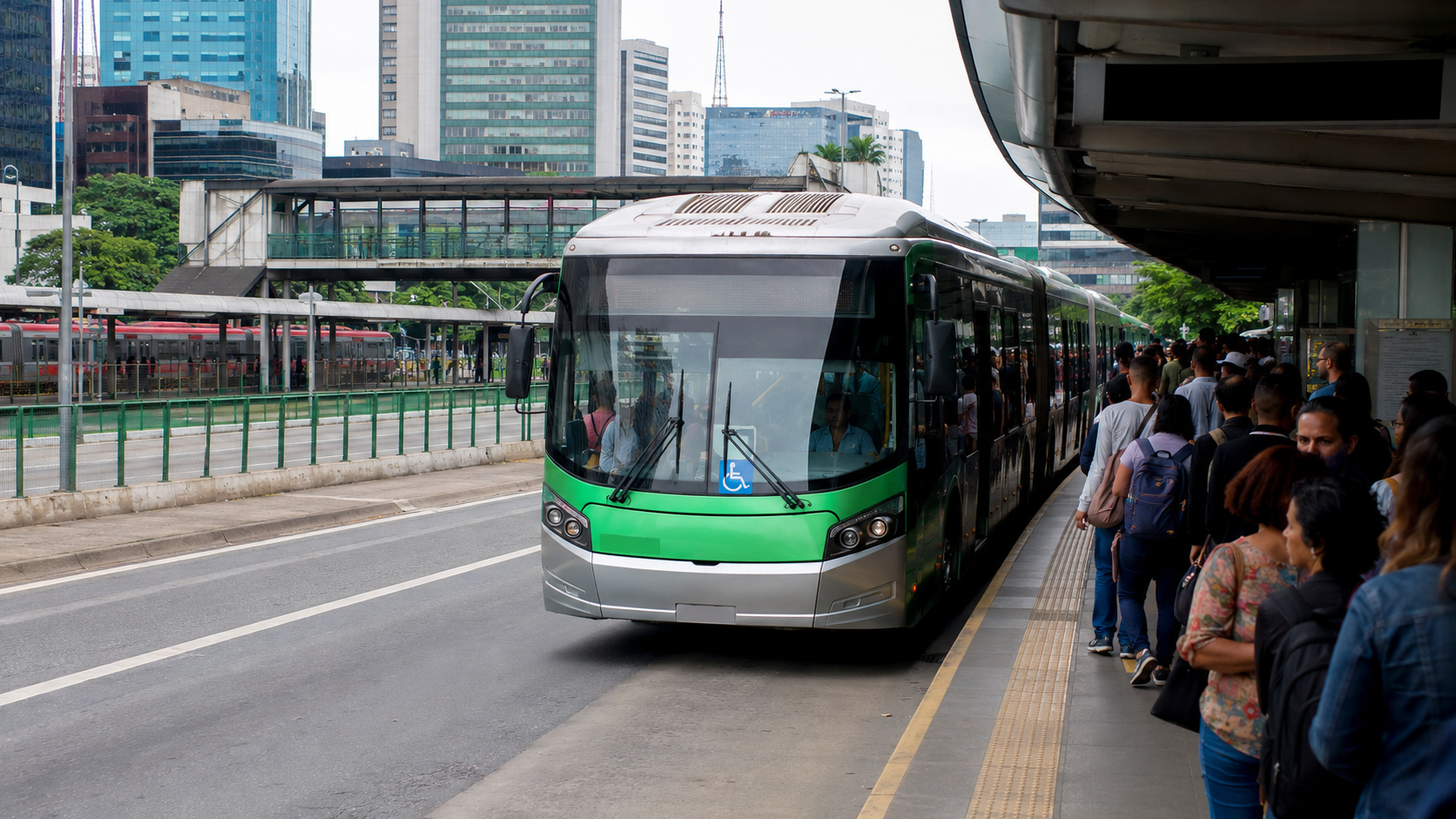
What changes with the new public transportation rules that can reduce pressure on fares and pave the way for zero fare in Brazil?
-
Argentina confirms Belgian giant to lead strategic Paraná River waterway and promises to reduce logistical costs on one of South America’s most important routes
-
MBRF surprises the logistics sector by demonstrating how Artificial Intelligence can directly influence deliveries throughout Brazil by reorganizing distribution routes in seconds, optimizing fleet usage, reducing logistics costs, and speeding up product arrivals even in the face of unforeseen road incidents.



However, the scenario quickly deteriorated. The partnership with Odebrecht (now Novonor), involved in corruption scandals, and the growing dissatisfaction of the population with the high toll charges put pressure on the contract. Popular outrage erupted in blockades and acts of vandalism against the toll booths, forcing the Lima city hall to suspend charges in some segments.
Brookfield believes there was a form of indirect expropriation and took the case to an international court based on the Canada–Peru Free Trade Agreement. The compensation request is for US$ 2.7 billion — an amount that covers the estimated loss of revenue until the end of the contract, originally scheduled for 2043.
Toll Lima Faces Protests And Generates Instability
With an average monthly income of about US$ 300, residents of Lima have begun to see the tolls as abusive. The rates, adjusted annually, have come to be considered the highest in the country for urban sections. Protests organized by residents and local leaders resulted in vandalism, traffic disruptions, and significant political fallout.
The mayor of the capital, Rafael López Aliaga, capitalized on the discontent by promising, during his campaign, to end contracts with private concessionaires. Once in office, he promoted the suspension of charges and filed actions to annul the contracts, accusing corruption in the original terms of the agreement with Odebrecht.
Brookfield, for its part, claimed that it acted in good faith and acquired its stake years after the contracts were signed, without any involvement in irregularities. The company won two previous arbitrations, which granted it about US$ 200 million in compensation. Nevertheless, new disputes are still ongoing.
A Billion-Dollar Dispute In Peru: Arbitration And Diplomatic Tensions
The current international arbitration initiated by Brookfield against the Peruvian state is one of the largest litigations ever recorded in the infrastructure sector in Latin America. The company alleges that the actions of the municipal government violate the free trade agreement between Canada and Peru, which protects foreign investments against expropriation without adequate compensation.
U.S. federal judge Ana Reyes has already rejected attempts by the city hall to overturn previous rulings, stating that there was no evidence of fraud or illegality in Brookfield’s actions. The U.S. Justice Department itself stated that the municipality of Lima was, in practice, trying to circumvent judicial decisions that had already become final.
Despite these victories, Brookfield has not yet managed to restore the full operation of the contract. The company fears that the ongoing dispute could harm not only financial returns but also its image as a global infrastructure operator in emerging markets.
Investment And Infrastructure Crisis Affects Peru’s Credibility
Experts warn that the Rutas de Lima case could create a cascading effect on the risk perception of foreign investors. The breach of contracts and political interference in established concessions weaken the institutional environment and deter new investments in strategic areas such as transportation, sanitation, and energy.
Former Peruvian Minister of Economy Luis Miguel Castilla stated to the press that the episode “creates a very bad precedent” and compromises the country’s efforts to attract private capital. Gonzalo Tamayo, a partner at the consulting firm Macroconsult, assesses that the situation “harms the process of building trust in public-private partnerships.”
Additionally, the S&P Global agency downgraded the concessionaire’s credit rating from “B” to “CCC‑”, citing negative cash flow for two consecutive years and imminent default risk. The uncertainty surrounding the continuation of the contract and the political instability have increased the perception of risk of the asset.
The Role Of Brookfield Asset Management In The Impasse
Brookfield claims it was surprised by the political and institutional deterioration of the environment in Lima. The manager hired former U.S. congressman Connie Mack IV as its legal representative in Peru and intensified diplomatic efforts to pressure the central government to intervene.
In an official statement, the company highlighted that it intends to “defend its rights legally, transparently, and in accordance with international treaties.” Still, company leaders acknowledge that, while uncertainty persists, it will be difficult to maintain interest in new investments in the country.
In the market, analysts point out that Brookfield’s stance is seen as a warning to other institutional investors, who are reevaluating their exposure to similar concessions on the continent. The Peruvian crisis is already beginning to influence funds’ decisions about projects in neighboring countries like Colombia and Ecuador.
What The Case Reveals About Investments In Emerging Countries?
Brookfield’s history in Peru illustrates how infrastructure projects, even with signed contracts, can become sources of instability in fragile contexts. The combination of populism, corruption scandals, and social pressures represents a concrete risk to legal predictability — an essential factor for long-term investments.
Despite having favorable arbitration decisions and support from international treaties, Brookfield still struggles to ensure compliance with the original contract. The conflict also highlights the importance of social acceptance of large projects, something that, according to experts, should be considered already in the investment planning phase.
Ultimately, the dispute between the Canadian manager and the Lima government reignites the debate over the balance between public interest and legal security. The outcome of the case could shape the future of concession models throughout Latin America and possibly redefine institutional investors’ appetite for assets in emerging markets.