






 Portuguese
  Spanish


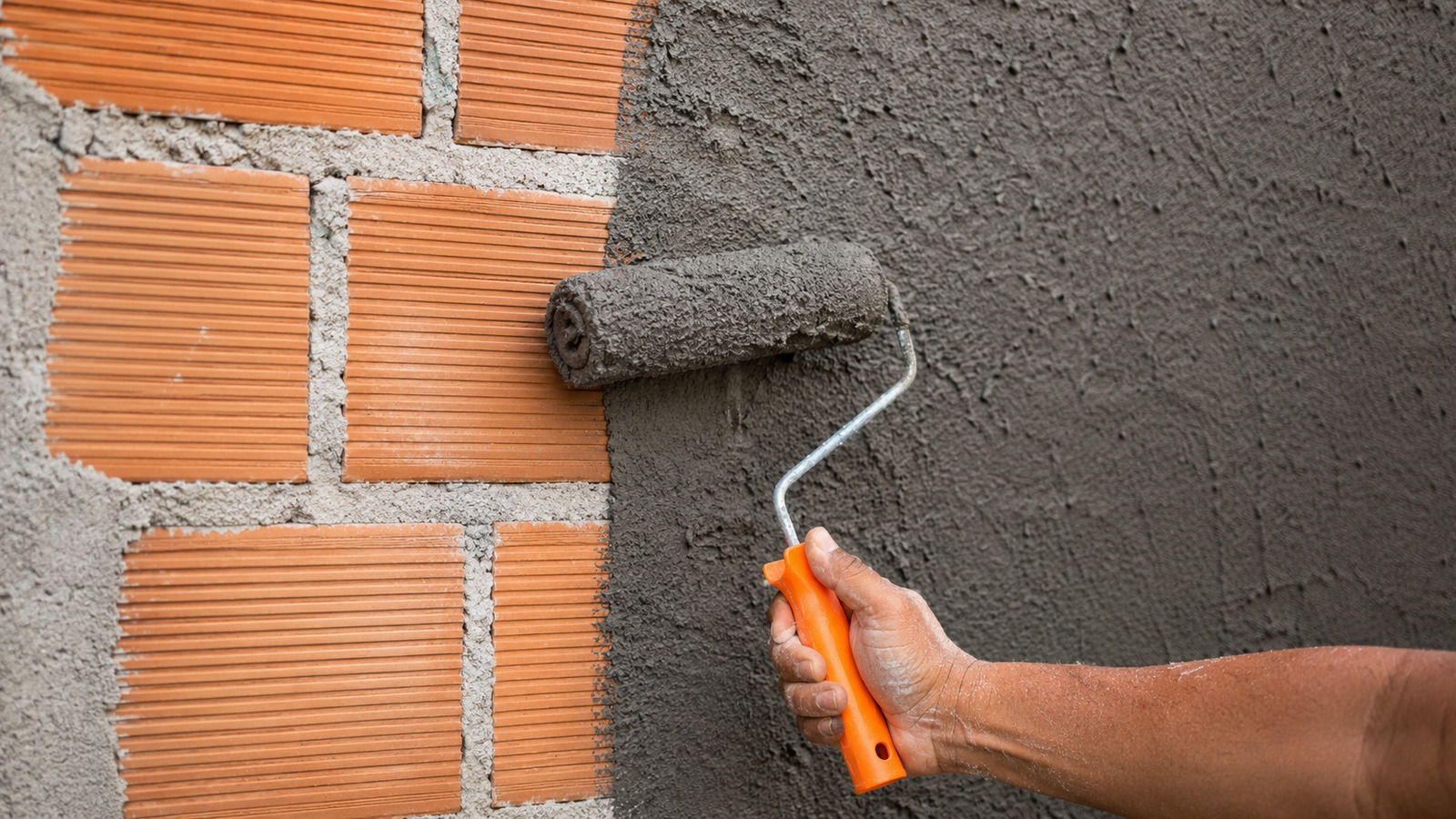

With acrylic texture, careful cleaning, and final painting, technique allows for renovating block walls without plaster, reducing costs, construction time, and delivering a rustic, durable, and professional look in indoor environments
Finishing technique on block wall transforms indoor spaces, garages, and shops in 2 hours, without plaster, using texture, acrylic paint, and materials under R$ 300.


Alternative reduces cost and time of block wall
The method applies texture directly on the block wall, after careful preparation. The proposal replaces traditional plaster in quick renovations when the budget is limited.
Conventional plaster requires labor, a minimum curing time of 7 days, and material costs between R$ 800 and R$ 1,500 for an average wall. Direct texture costs 70% less and dries in hours.
-
Former Brazilian street cleaner overcomes challenges to become a lawyer, now advocates for workers’ rights.

-
Retired Historian in Brazil Restores Over 100 Sewing Machines, Including One from 1875 New York Broadway

-
El Niño Set to Raise Temperatures Above 30°C in Southeastern Brazil by Late July as Cold Wave Ends

-
Brazilian Government Challenges Drug Trafficking Claims Linked to Social Program with Study by Fiocruz and Harvard



The technique works because the concrete block absorbs the mixture evenly when it is clean and dry. The result creates a rustic, intentional, and professional look.
Preparation defines the quality of the finish
Before applying any product, the block wall needs deep cleaning. Preparation accounts for 80% of the result, as dirt and dust alter absorption.
The first step is to remove dust with a firm nylon brush. When there is mold or rain stains, wash with water and neutral detergent.
In dry weather, drying takes 1 to 2 hours. It is also necessary to check for holes, as cracks over 5 mm absorb texture unevenly.
In these spots, it is not necessary to plaster everything. The recommendation is to fill only visible cracks with quick-setting compound, like Vedacit or Drywall, and wait 20 minutes.
Acrylic texture is the most uniform option
Two options are mentioned for applying directly on the block wall without plaster: ready-to-use acrylic texture and powder texture mixed with water. The first costs more but covers irregular blocks better.
The ready-to-use texture, from brands like Suvinil, Coral, and Sherwin Williams, ranges from R$ 80 to R$ 120 per 18 kg can. The powder version costs from R$ 40 to R$ 60.
For a cheap and uniform renovation, the recommendation is to use medium acrylic texture. The fine version does not mask natural flaws well. An 18 kg can covers 12 to 15 m².
The calculation should consider the wall area and a 20% surplus. This margin prevents a shortage of material during application.
Application takes about 90 minutes
With the surface clean and dry, the texture should be placed in a bucket and diluted according to instructions. Generally, the powder mixture uses 1 part powder to 2 parts water.
The indicated consistency resembles yogurt. The material can be mixed with a drill and paddle. Then, the application begins at the upper corner, with a trowel of 12 to 15 cm.
The layer should be between 3 and 5 mm thick. The recommended movement is in an “L” shape, always from top to bottom, without pulling back.
The work progresses in sections of 1 m x 1 m, with a wet edge, to avoid seam marks. After the texture, drying before painting takes 30 to 40 minutes.
Final painting and technique limits
The painting should be done with acrylic paint, using a thick wool roller. A brush is not recommended, as it leaves visible marks on the rough surface of the block wall.
Two coats cover the finish. The paint costs between R$ 150 and R$ 200, and the total cost is between R$ 280 and R$ 380, considering texture, paint, and filler.
After finishing, the wall should dry for 24 hours before intense contact or exposure to moisture. External facades with heavy rain, damaged blocks, movement cracks, and holes larger than 1 cm require a robust solution.
With information from Tupi.


