Portuguese
  Spanish




WEG, TAESA, and Prysmian put Assis on the electrical engineering map with 300-ton transformers, 500 kV underground cables, and a pioneering project that changes energy transmission in the country
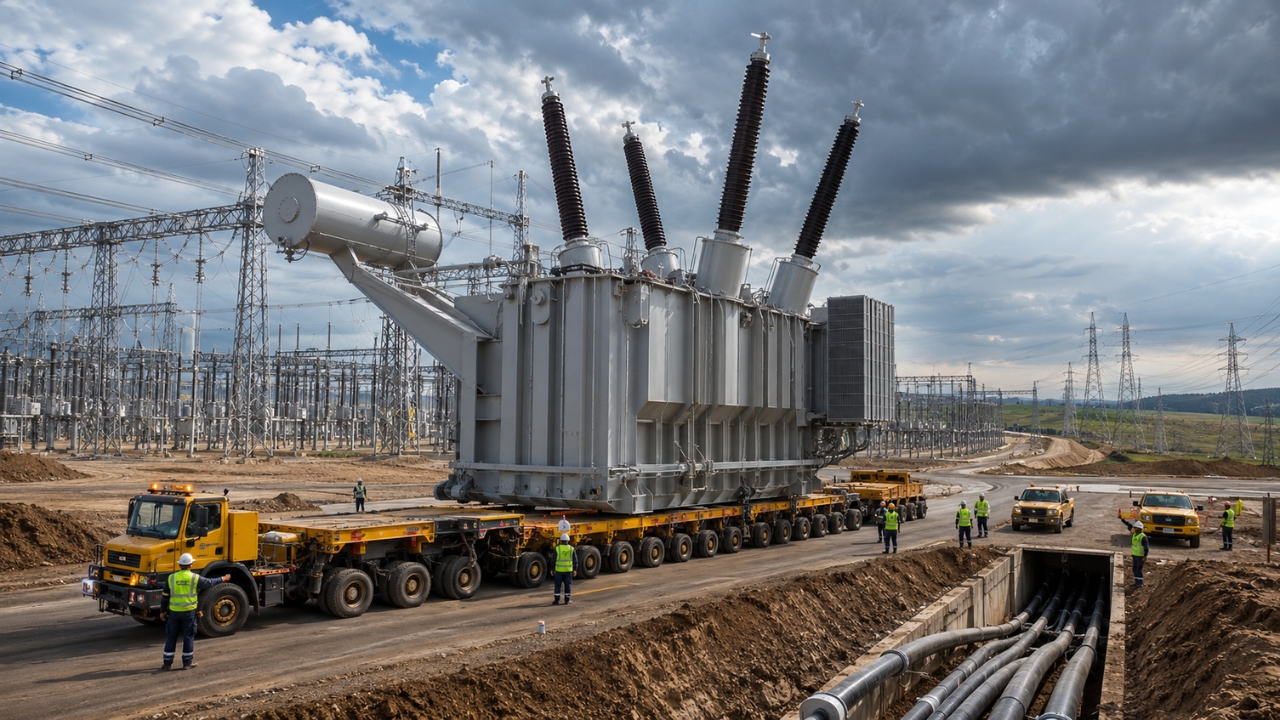
A 300-ton piece of equipment left Minas Gerais, traveled about 800 km, and arrived in the interior of São Paulo to participate in a project that few people see, but that could change the way part of the high-voltage electricity circulates in the country.
The giant was manufactured by WEG in Betim and destined for the Assis Substation in Assis, São Paulo, as part of a TAESA project involving one of the most impressive systems in Brazilian electrical transmission. According to WEG itself, the equipment is part of the first underground transmission system at 525 kV in Brazil.
The scene seems like something out of an industrial movie: a monstrous transformer, larger than many common trucks, leaving the factory and traveling hundreds of kilometers in a meticulous logistical operation. But behind the colossal transport lies something even greater: the attempt to reinforce one of the most important structures of the National Interconnected System.
-
New Smart Radar Begins Issuing Fines to Solo Drivers in Carpool Lanes, Uses Cameras to Count Occupants, Changing Traffic Enforcement Rules on Busy European Roads

-
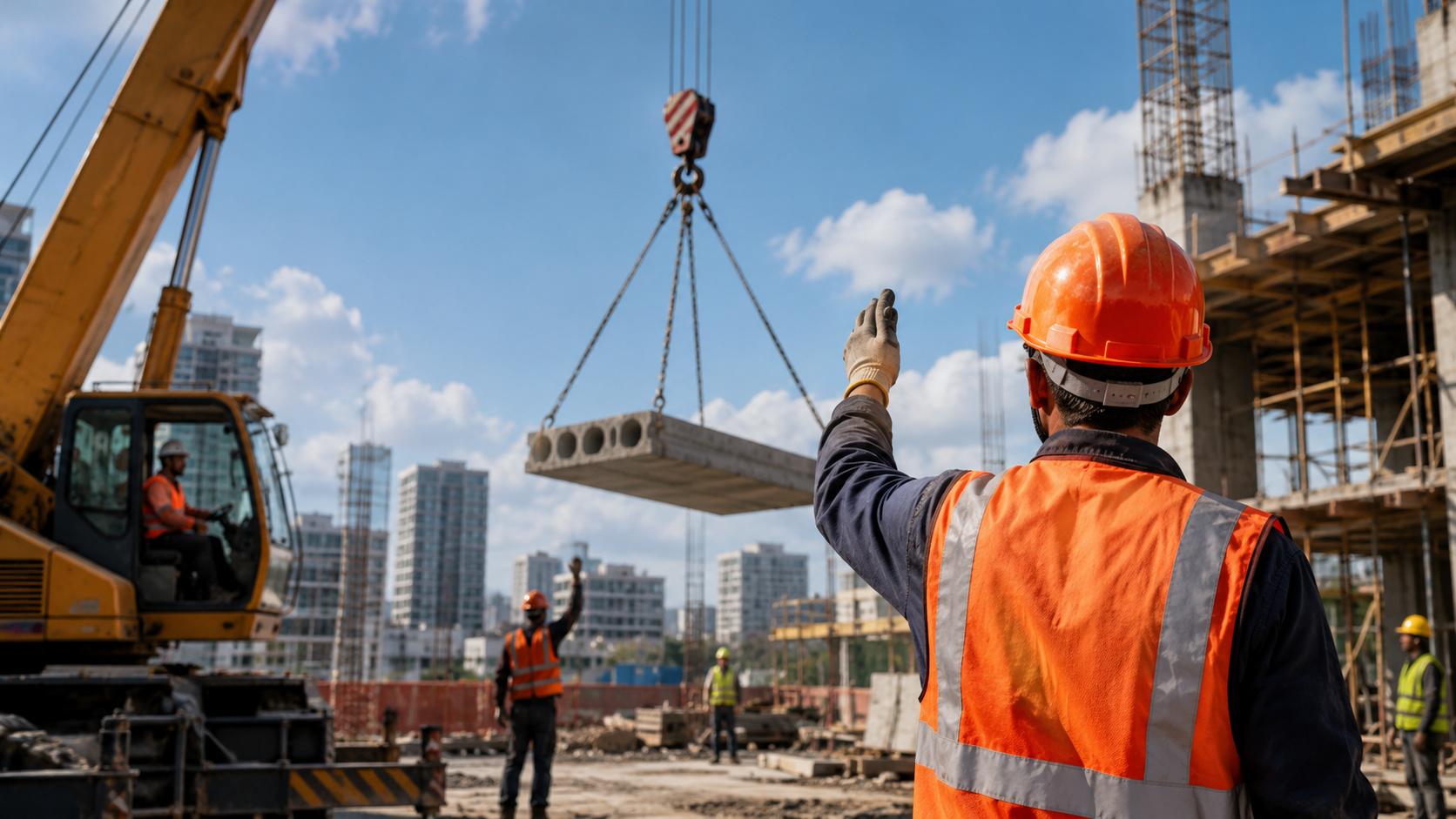
Why can the crane operator only obey the correct signalman on the construction site: among dozens of workers, a hand raised by the wrong person can confuse the maneuver and turn a load of tons into an immediate risk.
-
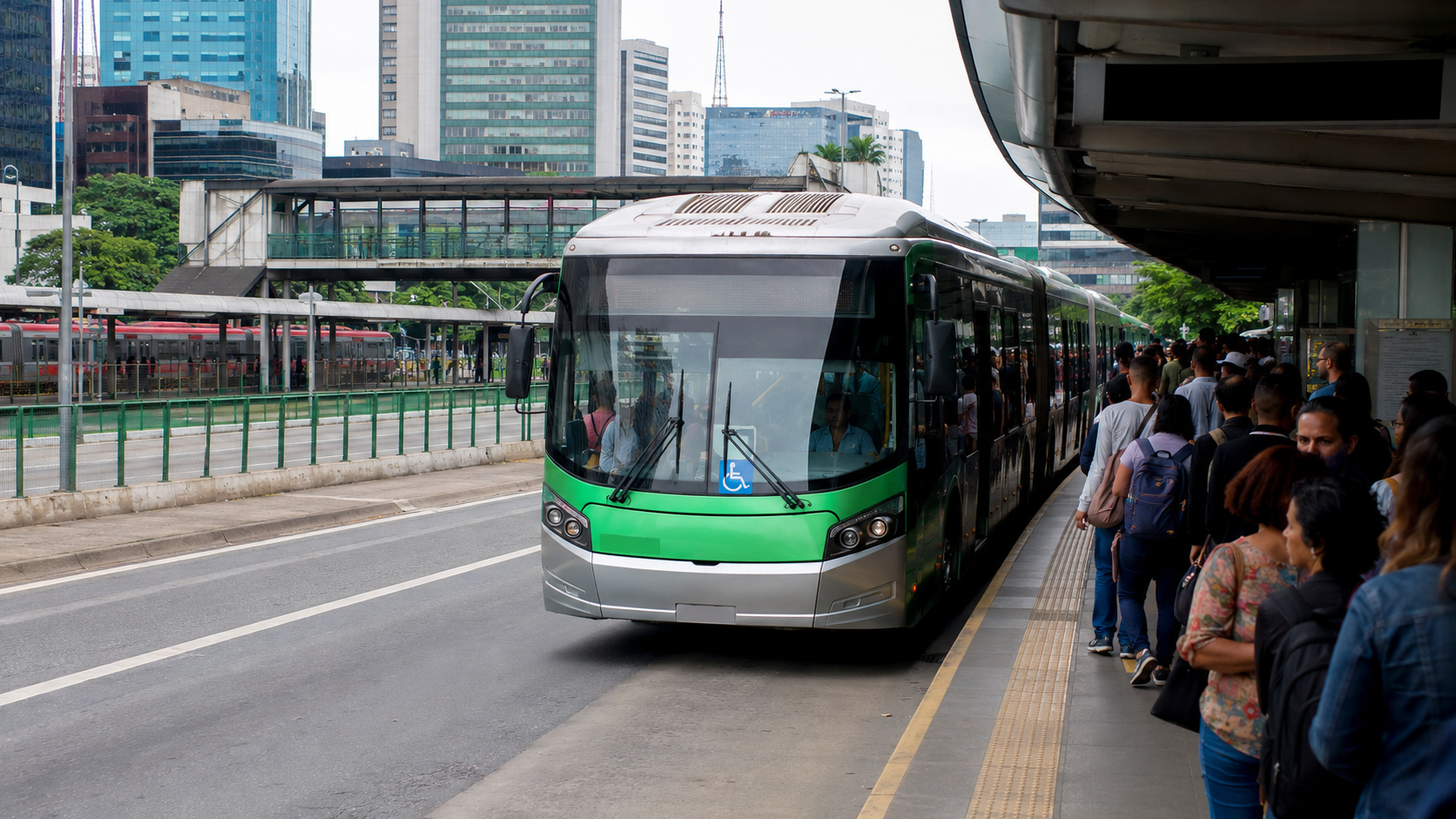
What changes with the new public transportation rules that can reduce pressure on fares and pave the way for zero fare in Brazil?
-
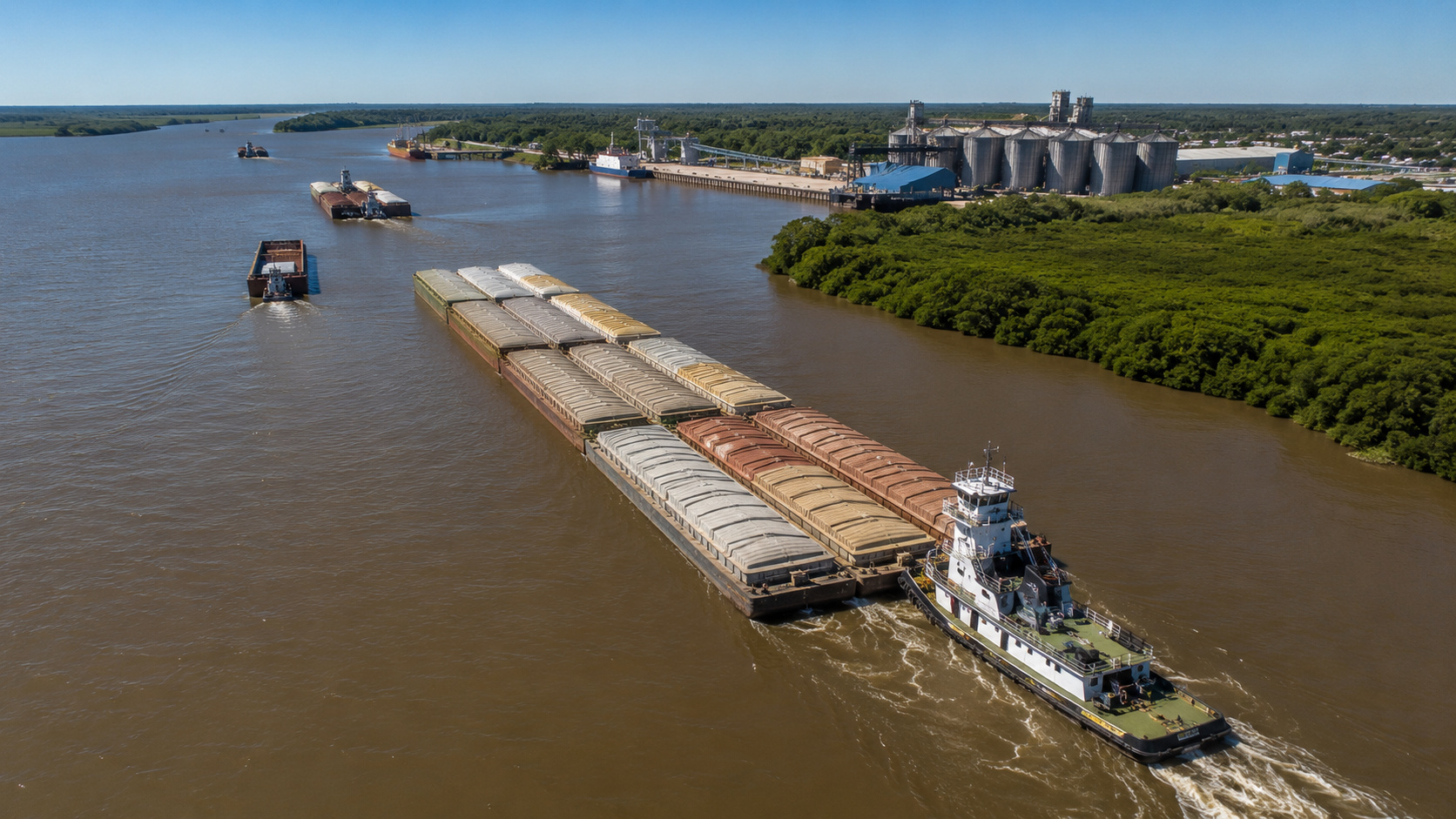
Argentina confirms Belgian giant to lead strategic Paraná River waterway and promises to reduce logistical costs on one of South America’s most important routes

The “monster” from WEG did not come alone


The operation involves three single-phase transformers of 500 MVA each, all destined for the Assis Substation. Together, they form a transformation bank with a total capacity of 1.5 GVA, a figure that places the project among the largest ever implemented in alternating current in Brazil.
Each unit weighs approximately 300 tons, which turns the simple movement of the equipment into a true engineering operation. It’s not just about placing a heavy load on a trailer and hitting the road: this type of transport requires route planning, bridge analysis, escort, authorizations, and permanent control.
The journey of about 800 km, from WEG’s unit in Betim, Minas Gerais, to Assis, São Paulo, shows the physical scale of the project. It’s one of those infrastructures that rarely appear to the public but support the energy that reaches cities, industries, businesses, and homes.
Ultra-high voltage energy passing underground
The most striking aspect of the project is that it is linked to an unprecedented solution of underground high-voltage transmission. Instead of relying solely on visible structures like towers and overhead lines, part of the infrastructure now includes buried technology, using high-voltage insulated cables.
Prysmian, responsible for the underground system, reported that it developed the first 500 kV insulated cable in Brazil to meet TAESA’s demand at the Assis Substation. Before this, the highest voltage level in insulated cable ever installed in the country was 345 kV, which demonstrates the technological leap involved.
In practice, the project combines the massive weight of 525 kV transformers with the sophistication of 500 kV underground cables. It is a rare union between giant machinery, advanced electrical engineering, and a construction that practically disappears from the view of those passing by on the surface.

Why burying part of the transmission draws so much attention
Underground transmission is especially interesting because it solves problems that overhead lines cannot always avoid. It can reduce visual impact, decrease the need for new areas, better protect the infrastructure against weather conditions, and reduce risks related to accidents, vandalism, and external interferences.
In the case of the Assis Substation, the solution was also associated with the feasibility of future expansion and connection with large transformers. In other words, it is not just an aesthetic or environmental choice: it is a technical decision to increase the reliability of the electrical system.
This is the kind of work that almost no one notices in daily life, but it can make a difference when the demand for energy grows. While the population sees only poles, sockets, and electricity bills, there are underground structures, giant transformers, and transmission corridors working silently to keep the country running.
The role of TAESA and the Assis Substation
TAESA, one of the major energy transmission companies in Brazil, is behind the project at the Assis Substation. The installation has a strategic role in the electrical grid, especially by integrating structures related to the transport of energy at high voltage levels.
The function of the transformers supplied by WEG is to adapt the voltage from 440 kV to 525 kV, enhancing the system’s capacity. This type of adjustment is essential for energy to circulate more efficiently over long distances, with greater stability and operational safety.
In a continental country like Brazil, where energy generation is often far from major consumer centers, transmission is as important as production itself. Without robust corridors, the energy generated in one region may not efficiently reach another.
An invisible but gigantic work
What makes this case so impressive is the contrast between the size of the equipment and the invisibility of the work. A 300-ton transformer draws attention on any road, but once installed it becomes part of a mechanism that operates out of sight for most people.
This is precisely where the story’s appeal lies: Brazil is receiving a high-voltage infrastructure that combines extreme logistics, heavy engineering, underground technology, and reinforcement of the national electrical system.
While many people imagine that electricity is just a matter of power plants, the project shows the other side of the equation: without transformers, cables, substations, and transmission systems, electricity simply does not reach where it needs to go.