






 Portuguese
  Spanish


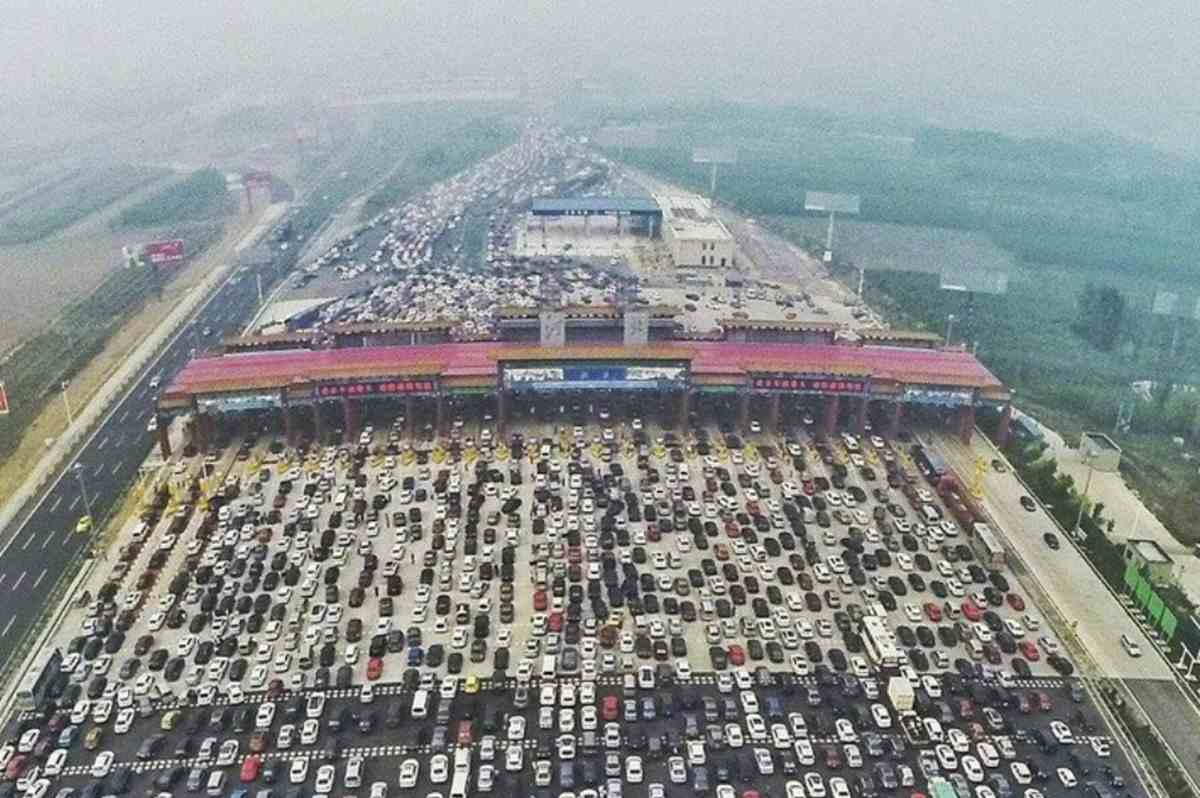


Traffic Jam Lasted 12 Days, Spanned Over 100 Km, and Turned Chinese Highway into an Improvised City in the Middle of Nowhere
In August 2010, a stretch of China’s National Highway 110 became the stage for one of the largest traffic jams in history. Thousands of drivers were stuck for up to 12 days along more than 100 kilometers of road.
The extreme congestion caught the world’s attention and is still remembered as an example of the chaos that can arise from unchecked vehicle traffic growth.
An Explosive Mixture of Factors
The traffic jam began on August 14, a direct result of a combination of roadwork and an increase in vehicle flow.
-
“Ghost Bird” Thought Extinct for 86 Years Reappears, Disappears Again, but New Recording Sparks Global Effort to Save One of the World’s Most Sought-After Species

-
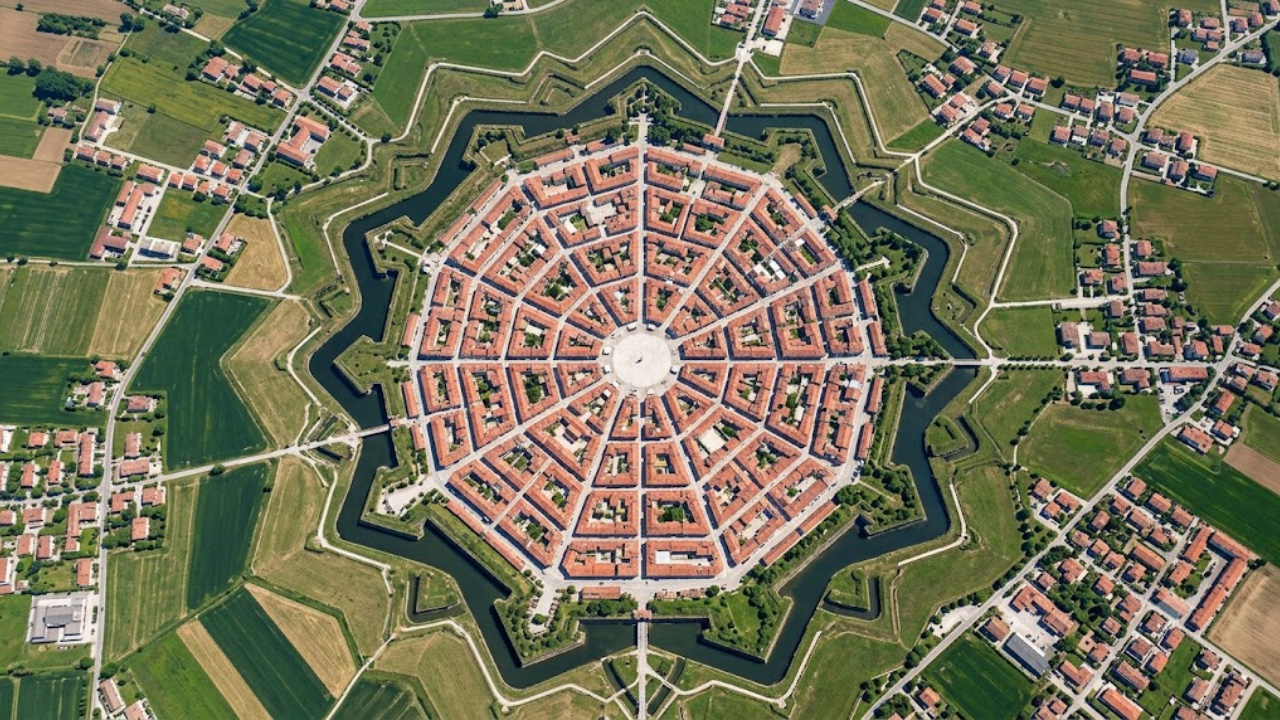
From Above, This Italian Fortress City Resembles a Giant Star: Discover Palmanova, a UNESCO World Heritage Site Renowned for Its Architecture and Perfect Symmetry

-
Teenage Boy’s Soap Business Survives Wars and Centuries, Becoming Global Giant

-
Without a Road to School, Brazilian Vendor Carves 8 km Mountain Path Alone After Watching Children Struggle



Trucks transporting coal and construction materials from Inner Mongolia to Beijing were the first to fill the road. The situation was exacerbated by construction that was already cutting the road’s capacity in half.
As heavy vehicles occupied important lanes, smaller cars also increased in volume, creating a logistical collapse.
Before the authorities could close alternative routes and control the flow, hundreds of thousands of people were already trapped in the stretch.
Capacity Exceeded
National Highway 110 was not designed to withstand such pressure.
According to data from the time, traffic volume had been growing by about 40% per year. At the time of the incident, the road was operating at 60% above its original capacity.
Coal production in Inner Mongolia increased, and as the railway network did not keep up with the rise, trucks took over the highwayss.
With construction ongoing, the highway lost even more capacity, resulting in a complete standstill of traffic.
An Improvised City in the Middle of the Road
In the first hours, the scene was one of honking, shouting, and impatience. But as days passed, drivers realized they were there to stay. Cars moved only about 1 kilometer per day.
Local residents saw an opportunity for profit and created an improvised economy along the road. Mobile shops were set up to sell water, food, and cigarettes. Prices, however, were ridiculous. A bottle of water that cost 1 yuan was sold for 15 yuan within the traffic jam.
Authorities Attempt to Contain the Chaos
To try to alleviate the situation, the government allowed more trucks to enter Beijing, especially at night.
The strategy had some effect, but it was not enough to quickly resolve the problem. It took 12 days for traffic to start flowing again.
The case was so impactful that it gained a dedicated page on Wikipedia and entered collective memory as the worst traffic jam in China.
Although there are longer records in terms of number of vehicles or distance, many experts consider this the largest traffic jam in history, due to its duration and the effects caused.


