






 Portuguese
  Spanish


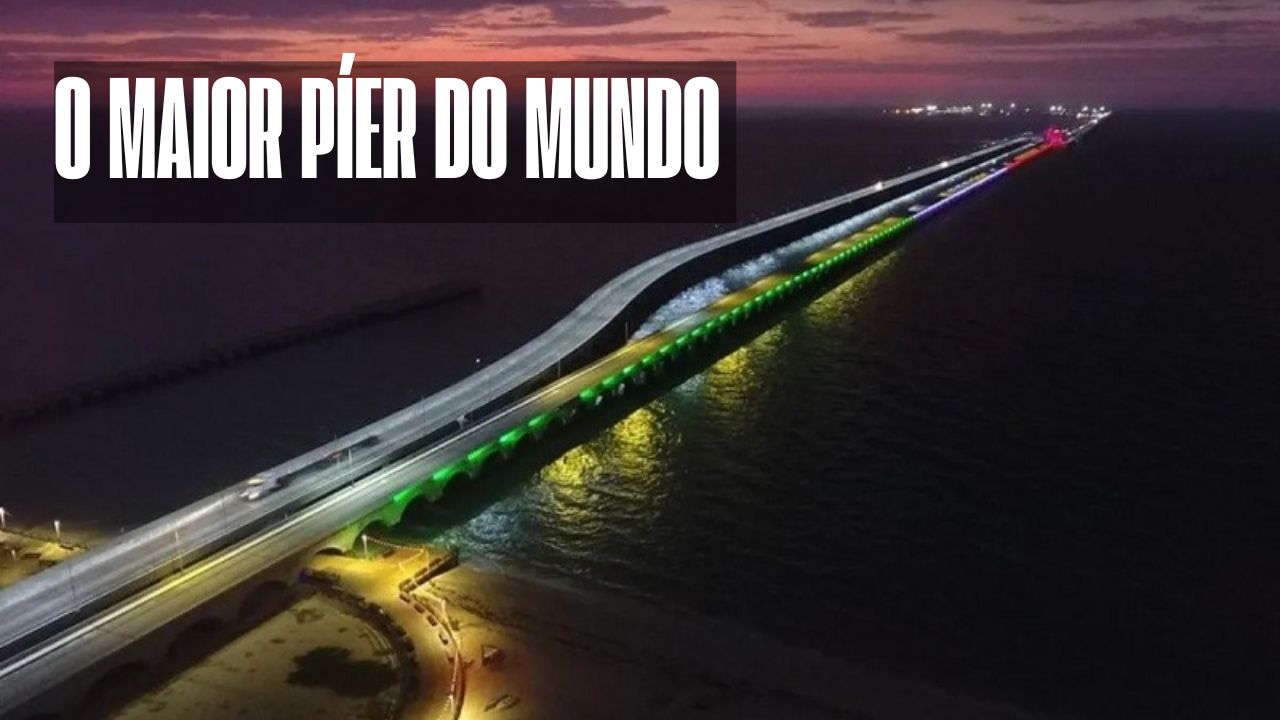


Largest Pier in the World: An Impressive Engineering Feat in Mexico Allows for the Berthing of Giant Ships in Deep Waters and Has Become a Unique Tourist Destination.
The largest pier in the world, located in Progreso, Mexico, extends 6.5 km over the Gulf of Mexico. The structure was built to allow large vessels to dock in deep waters, as the coastal region has a shallow seabed. In addition to playing a crucial role in trade and tourism, the Progreso pier has also become a tourist destination in its own right.
To give you an idea of its magnitude, it is almost three times larger than the famous Southend-on-Sea pier in the United Kingdom, which is only 2.1 km long.
The History of the Largest Pier in the World
The Progreso pier was originally constructed in 1941 to replace an old wooden structure, but its first version was only 1.9 km long. In 1988, the structure was expanded by an additional 4 km, allowing much larger vessels to dock.
-
Tired of Seeing Homelessness, New Westminster in Canada to Open Region’s First Tiny Home Village: 30 Container Homes with Central Kitchen, Meals, and Facilities

-
Brazil’s Santa Catarina Port Drives 770 Tons of Steel Piles into the Sea, Reaches Midpoint of $100 Million Project to Dock Two Ships Simultaneously by October
-
Expanded Polystyrene Gains Ground as a Lightweight Alternative to Traditional Masonry in Construction
-
Abandoned Brazilian Coastal Stadium, Once Hosting Major Soccer Matches, to Be Demolished for $10 Million NASCAR-Inspired Racetrack


This growth was essential in transforming Progreso into one of the major ports in Mexico, especially for cruise tourism and cargo transport.
The Reason Behind Its 6.5 km Extension
The need for such a long structure comes from the geographical characteristics of the Yucatán coast. The region has extremely shallow waters, preventing large ships from coming close to the shore. To solve this problem, it was necessary to extend the pier to reach deeper waters where ships can anchor safely.
This also means that those wishing to cross the pier need to walk about 40 minutes to an hour to cover its entire length. Therefore, cruise passengers usually disembark at the end of the pier and take a bus to the city.
A Tourist and Strategic Spot
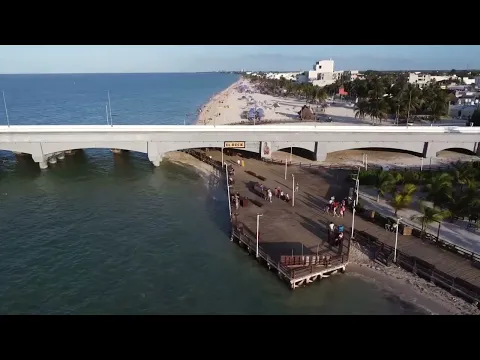

In addition to being an essential piece for maritime trade and tourism, the Progreso pier has become a unique tourist attraction. Every year, more than 150,000 tourists pass through, enjoying the panoramic view of the Gulf of Mexico.
Another highlight is its innovative engineering. The pier was the first concrete structure in the world to be reinforced with stainless steel containing nickel, which increases its resistance to corrosion.


