Portuguese
  Spanish


According to information released by the portal of Revista Fórum, Brazil hosted between May 4 and 7, 2026, Mecodex 2026, the largest multilateral disaster cooperation exercise in the Americas, at the Superior School of Defense (ESD) in Brasília. The 5th edition of the initiative brought together 20 countries from the American continent, with 9 having a physical presence and the others participating remotely. The exercise, coordinated by the Inter-American Defense Board (JID), simulated a response to severe drought in the Amazon and forest fires in the Pantanal. Defense Minister José Múcio opened the event, highlighting that Latin America faces integration and logistics challenges in responding to climate catastrophes.
Latin America is one of the planet’s most vulnerable regions to climate change, alongside Africa, Southeast Asia, and small island states, according to the IPCC’s AR6. And it was precisely under this scenario of increasing risk that Brazil hosted for the first time Mecodex 2026, the largest multilateral disaster cooperation exercise in the American continent, bringing together 20 countries at the Superior School of Defense in Brasília between May 4 and 7.
The exercise simulated the two scenarios that most pressure Brazilian infrastructure: severe drought in the Amazon and large-scale forest fires in the Pantanal. The 5th edition of Mecodex, coordinated by the Inter-American Defense Board (JID), a multilateral body linked to the Organization of American States (OAS), is the first to be held on Brazilian territory. Of the 20 participating nations, nine sent in-person delegations to Brasília — including Argentina, the United States, Canada, Mexico, the Dominican Republic, and Trinidad and Tobago — and the others participated remotely.
What is Mecodex and why does Latin America need it

Mecodex (Disaster Cooperation Mechanism Exercise) is the testing phase of Mecode, a mechanism created in 2022 by determination of the Conference of Ministers of Defense of the Americas (CMDA) and developed by the JID. The objective is to test integrated response protocols between armed forces and civil defense of multiple countries before a real catastrophe occurs, ensuring that nations know who does what when disaster strikes.
-
U.S. Navy’s Ticonderoga-class Cruiser Becomes a 9,800-Ton Missile Fortress with Advanced Aegis System Capable of Tracking Hundreds of Targets

-
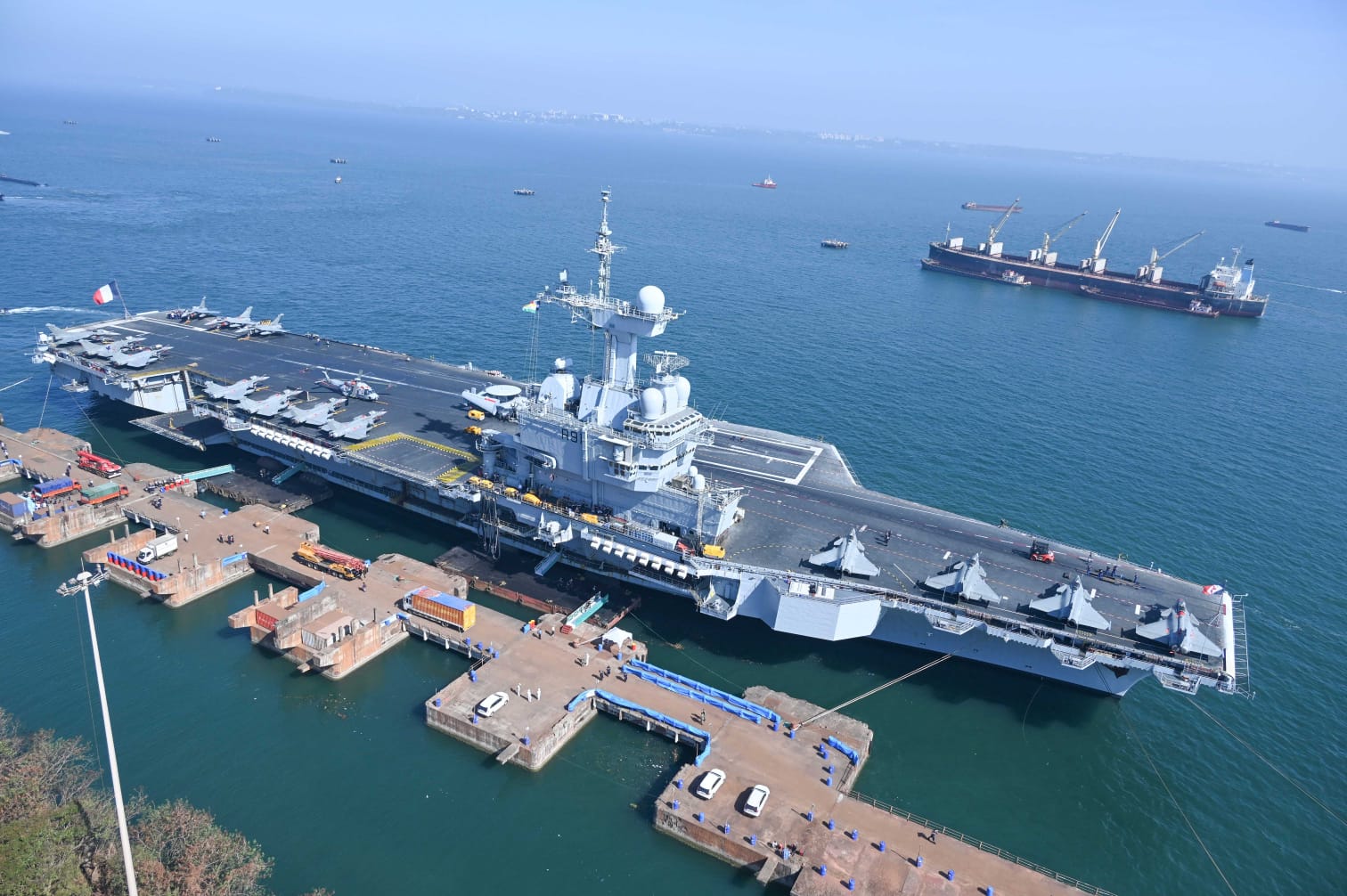
France’s Charles de Gaulle: The Sole Nuclear-Powered Aircraft Carrier Outside the US, Weighing 42,500 Tons and Equipped with Two Atomic Reactors

-
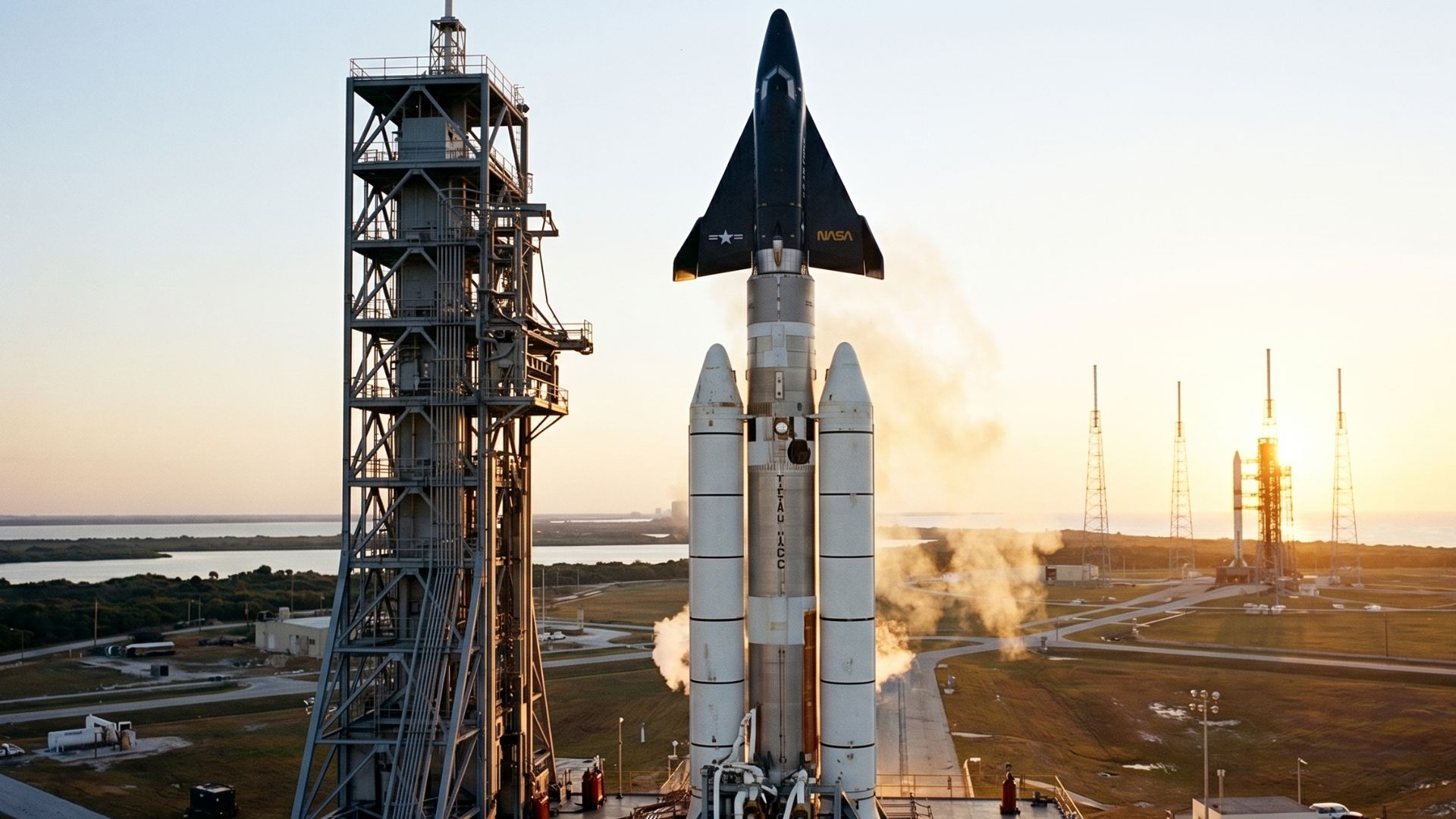
The military spaceplane that almost took the Cold War into orbit: Boeing X-20 Dyna-Soar was designed to re-enter above Mach 20, fly for up to 40 hours, land like a plane, and transform Titan rockets into a gateway to a new era of orbital warfare.
-
FAB bets on national drones and increases investments to strengthen the Brazilian aerospace industry



The previous edition was held in Guyana in 2025, and before that in Ecuador and Peru. Brazil’s choice as host in 2026 is not casual: the country has experienced a sequence of climate disasters in the last two years that dramatically exposed Latin America’s vulnerability. The historic floods in Rio Grande do Sul in 2024, with over 180 deaths, the extreme fires in the Pantanal and the Amazon, and the water crisis that affected navigation on Amazonian rivers, evidenced that Brazil needs international cooperation to deal with events that exceed the capacity of any single country.
The simulated scenarios: Amazon and Pantanal under pressure
The Mecodex 2026 exercises focused on two scenarios with real and frightening precedents. The first simulated severe drought in the Amazon, based on the water crisis that between 2023 and 2025 reduced the volume of rivers like the Solimões, Negro, and Madeira to historic levels, isolating riverside communities, interrupting commercial navigation, and affecting hydroelectric power generation in the North region.
The second scenario simulated large-scale forest fires in the Pantanal, a biome that in 2024 recorded the largest burned area in its history, surpassing even the 2020 record. Colonel Eduardo Henrique de Sá Oliveira, chief of staff of the Sub-secretariat of Operations of the Ministry of Defense, presented the nine areas of action for the Brazilian Armed Forces in disasters: evacuation and rescue, search for missing persons, reestablishment of communications, water and food supply, firefighting, sheltering of displaced persons, unblocking of roads, chemical, biological, radiological, and nuclear decontamination, and transport.
Sicode: the Brazilian digital platform that aims to coordinate responses across the continent
One of the central presentations at Mecodex 2026 was Sicode (Disaster Cooperation System), a digital platform developed by the Military Engineering Institute (IME) of the Brazilian Army. The system centralizes real-time data, connects civil and military agencies from different countries, and supports decision-making during emergencies, expanding what the military calls “situational awareness” — knowing exactly what is happening, where, and with what resources available.
Sicode is still in the validation phase. After testing at Mecodex 2026, the platform will be presented for formal approval at the XVII Conference of Defense Ministers of the Americas, scheduled for July 2026 in Cusco, Peru. If validated, the system will be available for use in real disaster situations across the American continent, representing a Brazilian technological contribution of strategic relevance.
What Minister Múcio said about the challenges and the budget
José Múcio Monteiro, Brazil‘s Minister of Defense, opened Mecodex with a speech that blended diplomacy and frankness. Múcio highlighted that “the main challenges faced by American countries are the integration between institutions and logistics in rapid responses”, acknowledging that continental cooperation is still in its initial stages. The minister also mentioned that previous cooperation proposals, such as a “consortium with planes for firefighting,” remained rhetorical and did not evolve.
In parallel with the event, Múcio took the opportunity to publicly complain about the ministry’s R$142 billion budget, declaring that “it’s not enough for absolutely anything.” According to the minister, 85% of the resources are fixed expenses (pensions consume 47%, active payroll 27%), leaving only R$11.5 billion for effective defense actions, including the disaster response operations that Mecodex specifically trains for. For comparison, the United States invests about US$236 billion (R$1.2 trillion) in defense.
The geopolitical context: cooperation in a week of regional tension
Mecodex 2026 ended on May 7, the same day as the meeting between Presidents Trump and Lula in Washington. The presence of United States military personnel in the exercise in Brasília occurred during a week of strong tension between Washington and Latin America, with tightened sanctions against Cuba, threats of aircraft carriers in the Caribbean, and a criminal investigation against Brazilian companies in the U.S.
In this context, the multilateral exercise functioned as a rare exception: a space for concrete cooperation amidst diplomatic noise. The JID, as a multilateral body, manages to bring together countries in political disagreement when the topic is natural disaster, because the logic that hurricanes, floods, and fires do not respect borders is an argument that no government publicly disputes. Whether this cooperation survives the political tension among participants depends on institutional will that goes beyond simulation exercises.
What Latin America faces and why cooperation is urgent
IPCC data leaves no room for optimism. Latin America concentrates some of the planet’s most fragile ecosystems — Amazon, Pantanal, Cerrado, Andes, Patagonia — and all are under accelerated pressure due to warming, deforestation, and extreme events. The AR6 report identifies specific risks for the region: increased prolonged droughts, intensification of extreme rainfall, retreat of Andean glaciers, and sea-level rise threatening coastal cities.
For Brazil, which has over 8,500 km of coastline and concentrates the world’s largest tropical forest, vulnerability is structural. The Brazilian Armed Forces have acted in all recent climate disasters — floods in RS, fires in the Pantanal, water crisis in the Amazon — and Mecodex is an attempt to transform this operational experience into a replicable protocol for all of Latin America.
Do you think Brazil should invest more in defense to protect the population from climate disasters, or is the current budget already sufficient? Tell us in the comments if you have been affected by floods, fires, or drought and if you believe that cooperation among Latin American countries can make a difference.