Portuguese
  Spanish


Xiaomi launched the H50 Pro, a robot vacuum cleaner with 15,000 Pa of suction power, two rotating mops with extendable arms that extend beyond the machine’s perimeter, and a laser sensor with a 129-degree field of view. The self-cleaning base washes and dries the cloths with hot air and stores debris for up to 75 days without user intervention. The model was announced for the Australian and European markets for €980 (about R$ 5,678 in direct conversion) and does not yet have a predicted arrival date in Brazil.
Xiaomi has just launched a robot vacuum cleaner that solves one of the oldest problems in the category: the inability to clean baseboards, corners, and crevices that are out of reach of the machine’s circular body. The H50 Pro has two rotating mops mounted on extendable arms that project beyond the device’s perimeter, increasing the cleaning radius in areas that competitors simply ignore. With 15,000 Pa of suction power and a laser sensor with a 129-degree field of view, the model is the Chinese brand’s bet for the premium segment of automated home cleaning.
The second highlight is the base, which practically eliminates manual maintenance. The self-cleaning station washes and dries the used cleaning cloths with hot air, leaving them ready for the next cycle without the user needing to touch them. The internal tank has the capacity to store vacuumed debris for up to 75 days, which means that under normal use conditions, the owner of the H50 Pro only needs to empty the reservoir every two and a half months. Compatible with the Xiaomi Home app and with Google and Amazon assistants, the device integrates into the brand’s smart home ecosystem.
The extendable arms that change the corner cleaning game

The problem that Xiaomi tackles with its extendable arms is structural in the robot vacuum cleaner category. Due to their circular shape, all models on the market leave an unreachable space in 90-degree corners — the point where two walls meet. Competing brands try to solve this with rotating side brushes, but the result is limited: the brush pushes dirt into the vacuum’s path, without effectively scrubbing the corner.
-
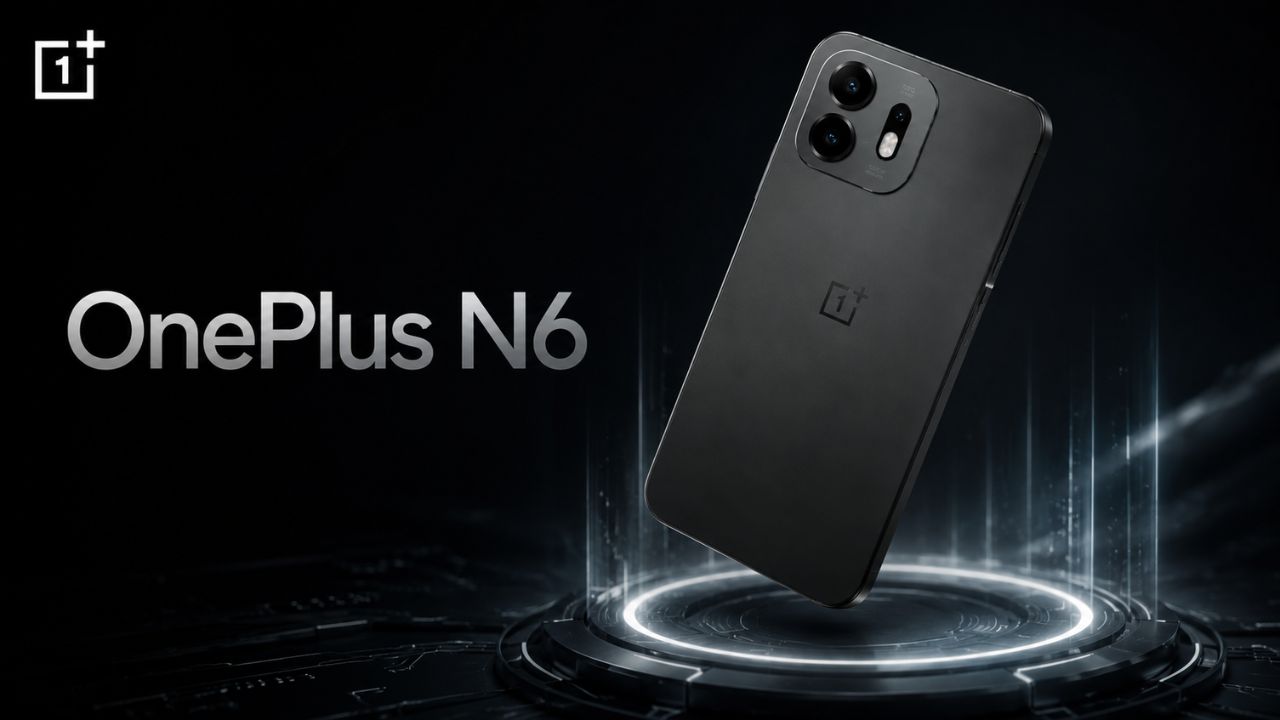
OnePlus N6 Smartphone to Launch in India with 8,000mAh Battery and 45W SuperVOOC Charging, Lasting Up to Three Days

-
Scientists Plan to Release Air Bubbles Underwater to Protect Antarctica’s “Doomsday Glacier” from Melting

-
Chinese R6000 Drone Combines Airplane and Helicopter Features, Carries Up to 12 People for Multiple Missions
-
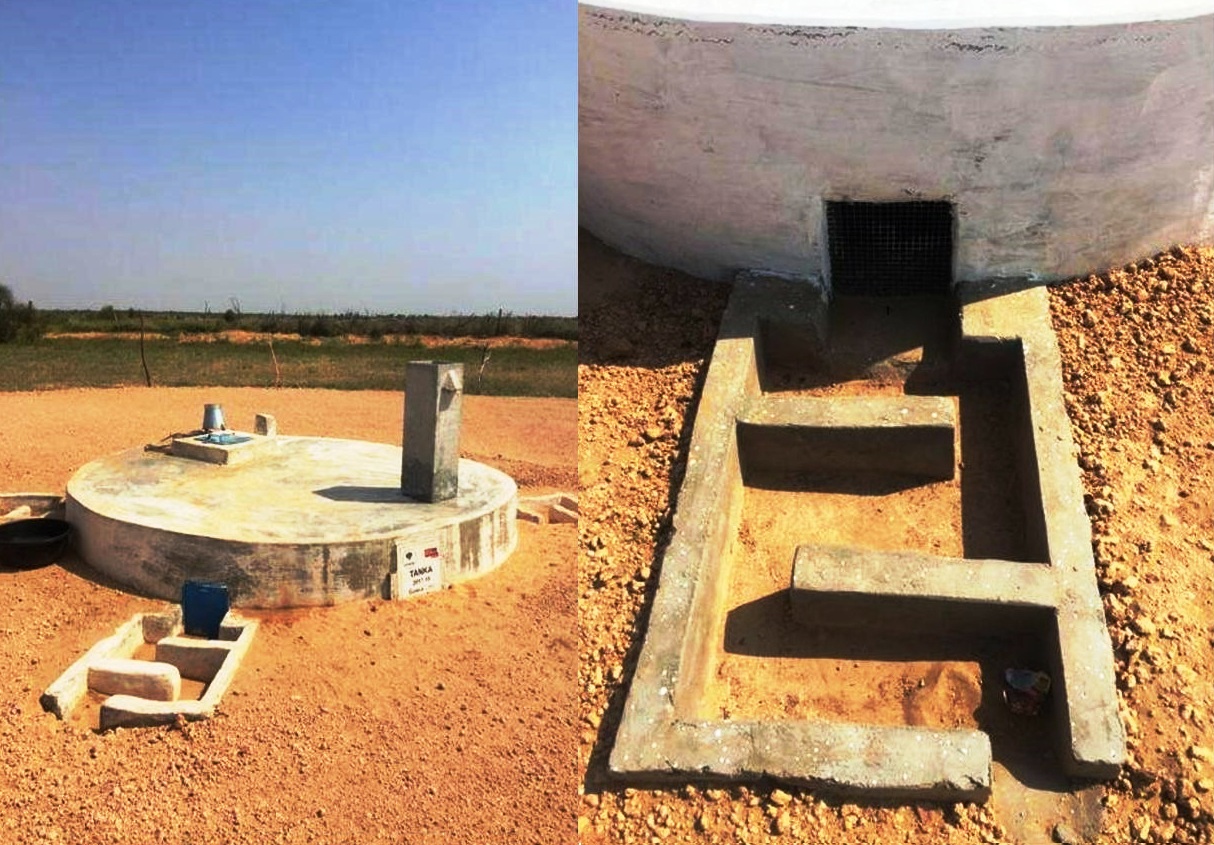
In the World’s Most Densely Populated Desert, Families Dig Funnel-Shaped Underground Cisterns to Capture Rare Rainfall and Store Drinking Water for Up to Eight Months



In the H50 Pro, the two rotating mops are mounted on mechanisms that extend laterally beyond the robot’s circumference, physically reaching baseboards and corners that the machine’s body does not touch. The system also automatically raises the mops when detecting carpets, preventing the wet cloth from damaging fabrics or carpets. This combination of mechanical extension and automatic elevation positions the model as a more complete solution for those with mixed floors at home.
15,000 Pa of suction and 129-degree laser navigation
The 15,000 Pa power places the H50 Pro in the mid-to-high segment of the robot vacuum cleaner market. For reference, entry-level models operate between 2,000 and 4,000 Pa, while top-of-the-line models from brands like Roborock and Dreame exceed 10,000 Pa. The 15,000 Pa of the Xiaomi are sufficient to vacuum pet hair, crumbs, sand, and fine dust on hard floors and short-pile carpets.
Navigation uses a laser sensor (LiDAR) with a 129-degree field of view, technology that maps the environment in real-time and creates optimized cleaning routes. The sensor allows the robot to avoid obstacles, identify rooms, and memorize the house layout, eliminating the random behavior of cheaper models that bump into walls until they find their way. The main brush has an anti-tangle design, an important feature for pet owners who deal with long hairs tangled in the roller.
The self-cleaning base that stores dirt for 75 days
The H50 Pro base station is designed for the user to forget they have a robot vacuum at home. After each cleaning cycle, the device returns to the base, which automatically washes the mop pads with clean water, dries them with hot air, and vacuums solid debris into an internal storage tank with capacity for up to 75 days of operation.
In practice, the maintenance routine comes down to refilling the clean water reservoir and emptying the debris tank every two and a half months. For those who have had a simpler robot vacuum and know the hassle of manually cleaning the pads after each use, the complete automation of the maintenance cycle is a strong argument that justifies the investment in a premium model like Xiaomi‘s H50 Pro.
The price in Europe and its absence in Brazil
The Xiaomi H50 Pro was announced for the Australian market and selected European countries for €980, equivalent to approximately R$ 5,678 in direct conversion, without considering taxes or import fees. This price positions the model in the premium range, directly competing with the Roborock S8 MaxV Ultra and the Dreame X40 Ultra, which operate in the same price range and offer similar self-cleaning base and laser navigation functionalities.
For now, there is no official information about the launch of the H50 Pro in Brazil. Xiaomi operates in the country with a limited portfolio of smart home products, and premium robot vacuums from the brand usually arrive months late or via independent importers, with significantly higher prices due to taxation. If the model follows the pattern of previous launches, it may appear on import websites before any official announcement for the Brazilian market.
The growing Xiaomi smart home ecosystem


The H50 Pro is not an isolated launch: it’s part of Xiaomi‘s strategy to dominate the smart home segment with products that connect to each other via the Xiaomi Home app. In recent weeks, the brand also announced a 508-liter Mijia Pro refrigerator with HyperOS operating system, an ultra-slim washing machine, a premium electric heater, an electric kettle, and a smart stove, all integrable into the same ecosystem.
The logic is that each product sold increases the incentive for the consumer to buy the next one from the same brand, creating a loyalty cycle that goes far beyond smartphones. For Xiaomi, the robot vacuum is a gateway to a fully connected home, where the user controls cleaning, temperature, lighting, and appliances by voice or smartphone. The H50 Pro, with its premium features and integration with Google and Amazon, is a central piece of this strategy.
Would you pay almost R$ 6,000 for a robot vacuum with extendable arms and a self-washing mop base, or do you think the technology doesn’t justify the price yet? Tell us in the comments if you already use a robot vacuum at home and what bothers you most about current models.