Portuguese
  Spanish


Semisavage Horses Live Free Among The Mountains Of Bosnia, Attract Tourists And Divide Opinions Among Residents Of Livno And The Surrounding Areas
In the rocky valleys and mountains of western Bosnia and Herzegovina, semisavage horses live free between the cities of Kupres and Livno. In total, about a thousand animals roam the Cincar mountains, creating a contrast with the historic buildings in the area.
These horses descend from domesticated animals, set loose by their owners during times of war or during the advance of agricultural mechanization.
With the arrival of tractors and other machines, many farmers abandoned the animals. “They were left to fend for themselves in the forest,” said BBC presenter Rajan Datar in a report for the show The Travel Show.
-
Artesian Well Becomes Lifeline for Small Brazilian Farm: Drilling Reaches 60 Meters, Finds Marble, Navigates Rock Fissures, and Strikes Fresh Water

-
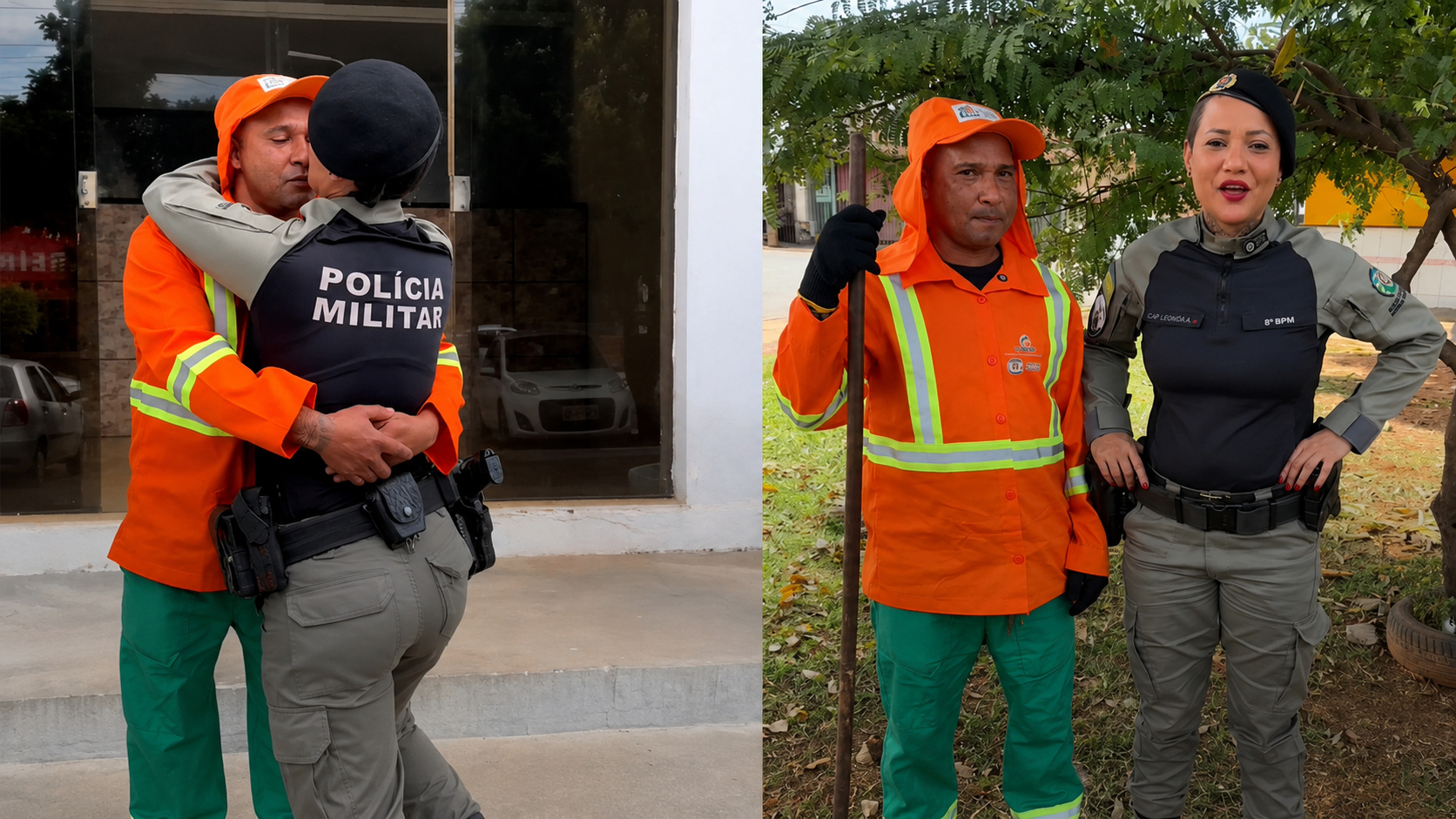
Street Cleaner in Brazil Finds Discarded Books That Helped His Wife Pass Civil Service Exam and Become Police Captain
-
July’s Night Sky to Feature Planetary Alignments, New Moon, Venus at Sunset, Buck Moon, and Two Meteor Showers

-
Fisherman Catches 18kg Catfish Near Brazil’s Itaipu Lake, Among Largest Recorded in Recent Years



Because of their origin, the horses are not afraid of people like pure wild horses. This trait attracts tourists but also creates problems.
In winter, they often lick salt off the roads, which can cause accidents. Additionally, they invade farms in search of food, destroying crops and stealing water from other animals.
Some residents see the horses as a nuisance. There are reports of farmers killing animals that have invaded their lands. In 2009, a law was enacted to protect them, but it was canceled in 2017 due to high compensation costs.
In recent years, the situation has begun to change. Tourism has grown, as has foreign interest in the horses.
Local tour agencies have started offering guided tours through the mountains. The guides help find the animals, which live nomadically and change locations frequently.
Part of the money raised from the tours is used to care for the horses. Organizations like the Borova Glava Environmental Association also work to protect the animals.
According to its spokesperson, Zeljko Kristo, the horses are a symbol of post-war recovery. “They were in an uncomfortable situation just like us. Saving them was also saving ourselves.”
The city of Livno is now the main starting point for those who wish to see the wild horses of Bosnia in their natural habitat.
With information from BBC.