





 Portuguese
  English
  Spanish
 3 min of reading
  0 comments


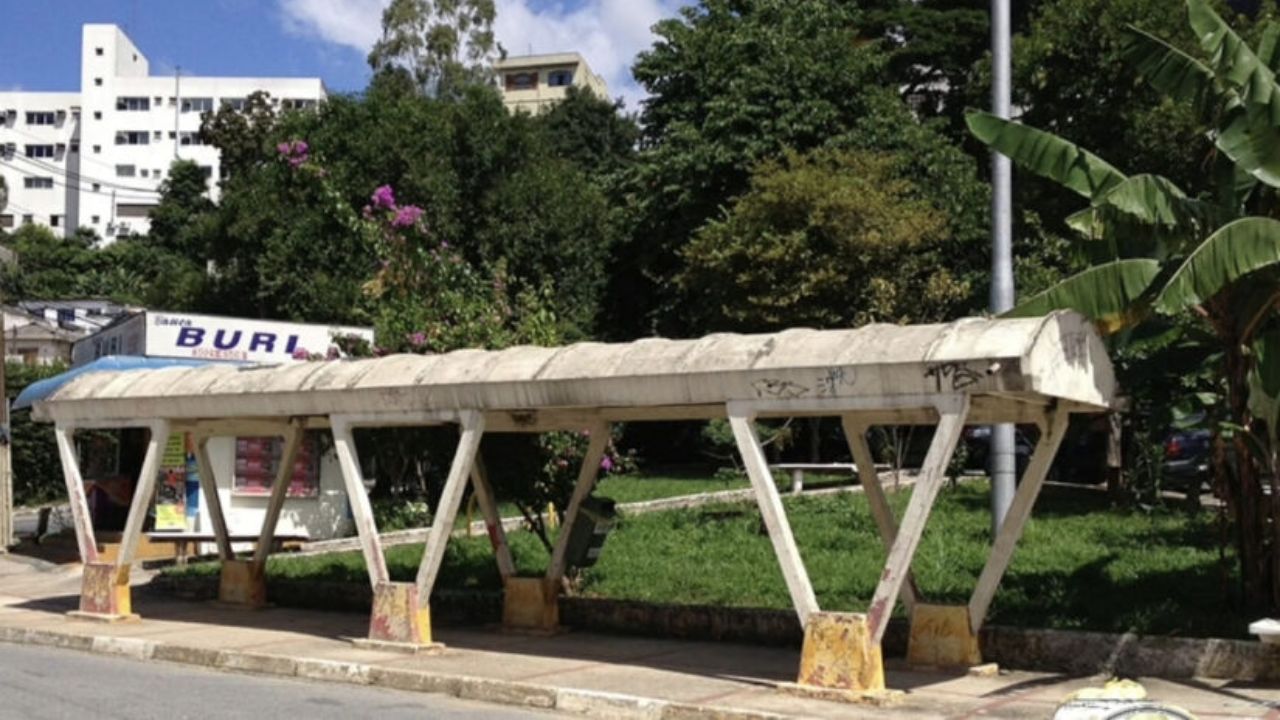
Discover the Oldest Bus Stop in São Paulo, Located in Vila Ipojuca, a Symbol of the History of Transportation and Urban Memory of the City.
Between Rua Tonelero and Avenida Ricardo Medina Filho, in Vila Ipojuca, there is a discreet shelter that carries decades of history. Considered the oldest bus stop in São Paulo, it was built in the 1960s by the now-defunct Municipal Company of Collective Transport (CMTC) and remains in operation, reminding residents and passengers of the city’s transformation over the years.
Although it has never received official heritage status, the bus stop stands thanks to the care of the local community and the attention of the city hall, becoming a landmark of the urban memory of the capital.
Oldest Bus Stop in São Paulo: Enduring Architecture That Transcends Generations
The shelter does not attract attention for sophistication, but for its sturdiness.
-
Amid the United States’ economic blockade, China delivers 15,000 tons of rice to Cuba as part of a 60,000-ton donation personally approved by Xi Jinping. The package includes 80 million dollars and solar panels for hospitals.

-
For around 200 reais, anyone can buy a kit and have a chip implanted between their fingers to replace cards, keys, badges, and even medical information in case of a hospital emergency.
-
A 600-meter hill in the interior of Santa Catarina hides a volcanic past of almost 600 million years. The Morro do Garrafão in Corupá may have been an ancient extinct volcano, and science now confirms what the residents have always suspected.
-
Family has lived for over 50 years without electricity and running water at home in the South of Minas, 10 minutes from the city, improvising light, bath, and water while facing a lack of basic resources and awaiting property regularization.





Its iron structure, supported by concrete bases, slightly arched roof, and six “V”-shaped columns, is typical of CMTC constructions in the 1950s and 1960s.
Unlike modern models, which seek visual integration and contemporary design, this oldest bus stop in São Paulo maintains the functional character of its time, designed to last without relying on advertising or embellishments.
Surviving the Changes of the City
In the 1970s, thousands of old bus stops were replaced by standardized models, but this shelter escaped mass modernization.
Its location in a quiet square helped to preserve it, and later, when new renewal contracts threatened to eliminate the last examples of CMTC, mobilization by residents and historians ensured its continuity.

Today, it is recognized as the only shelter of its kind still existing in the city, standing as a true urban relic.
Restoring the Past Without Losing Identity
The maintenance of the bus stop reflects the care of the community. In 2015, it underwent cleaning, painting, and structural reinforcement.
In 2024, a more extensive restoration recovered the original iron, corrected damaged areas, and installed tactile flooring and appropriate lighting, preserving the original design from the 1960s.
Even without official heritage status, these interventions keep the shelter functional and preserve its history, showing that urban memory does not rely solely on decrees or designations.
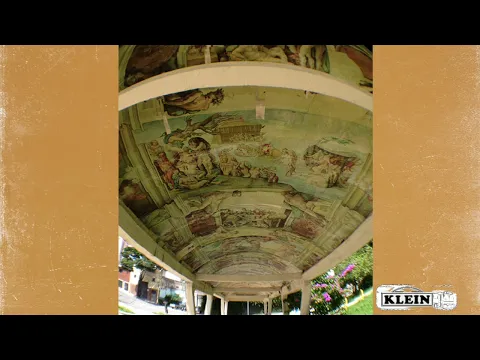

More than just a simple bus stop, the shelter in Vila Ipojuca connects generations and represents the evolution of public transportation in São Paulo.
For the neighborhood residents, it is a historical landmark, reminding that the city is also built in the details of everyday life — in the places where we wait, pass through, and coexist daily.
Preserving this oldest bus stop in São Paulo is recognizing that urban memory is reflected in the small objects and spaces that withstand the test of time, keeping the city’s history alive.
With information from Gazeta SP.








-

-

-

-

-

-

38 people reacted to this.