






 Portuguese
  Spanish


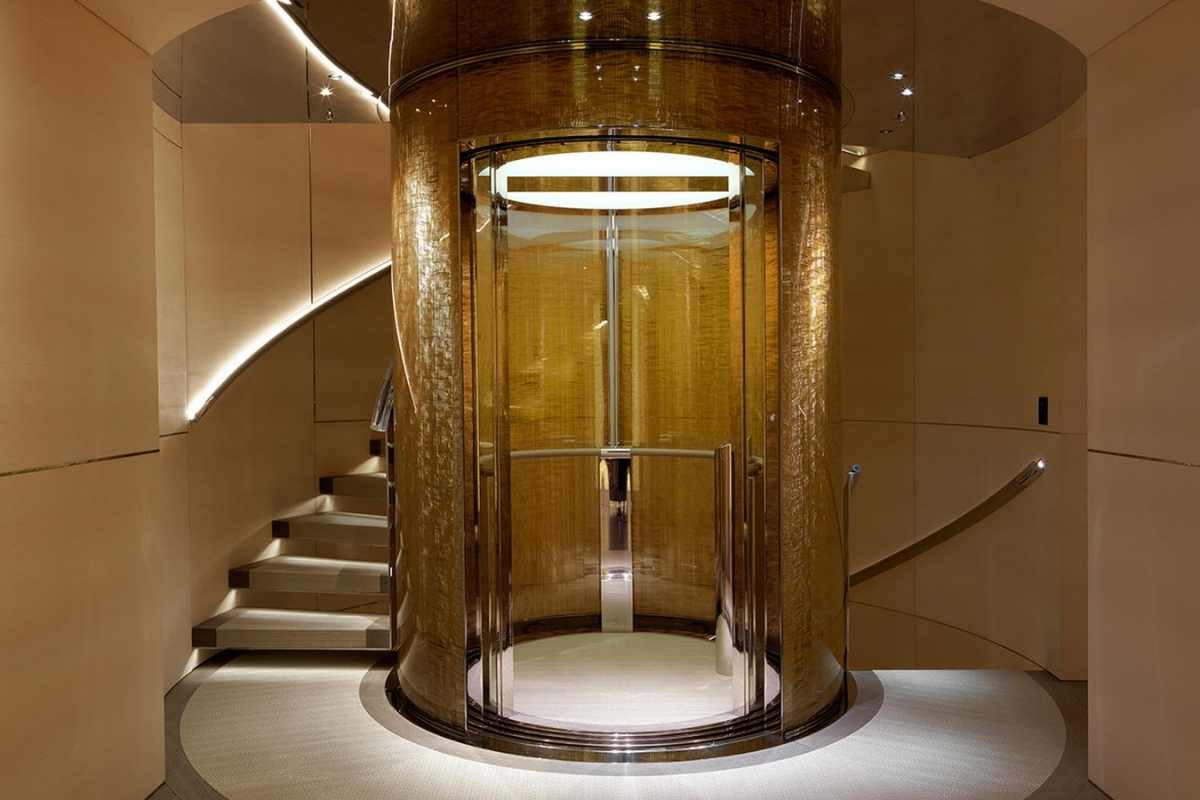


From The Feeling of “Butterflies” to Ear Popping, Understand Your Body’s Reactions During Rapid Ascents and Descents and Why They Happen.
Getting into an elevator is one of the most common actions in our daily lives, whether at work, at home, or in a shopping mall. But have you ever stopped to think about the physics behind that vertical journey and the effects it has on your body? Especially in skyscrapers, changes in speed and pressure create curious sensations that, while they seem strange, have a simple scientific explanation.
Understanding these reactions not only satisfies curiosity but also helps to calm those who feel a certain discomfort during the ride.
Why Does Your Ear Pop? The Blame is on Pressure
The most common sensation when going up or down many floors is the famous “pop” in your ear. This happens because of the rapid change in atmospheric pressure. As the elevator ascends, the air pressure outside decreases. However, the pressure inside your middle ear remains the same, creating an imbalance.
-
Couple Quits Jobs, Converts 1981 VW Van into Home, Travels 80,000 Kilometers Across the Americas, and Wins Surprise Tickets to See Messi Make History at the World Cup

-
Rio de Janeiro School’s Listening Program Reduces Dropout Rates and Boosts Literacy, Set to Expand to 350 Municipal Schools

-
Five-Year-Old Turns Crayon Drawings of Colorful Socks into a Brand, Raising $200,000 to Aid Vulnerable Children

-
California Teacher Converts Moving Truck into Spacious, Light-Filled Mobile Home to Overcome Zoning Restrictions and Cut Costs




To resolve this, your body acts intelligently:
- Eustachian Tube: A small canal that connects the middle ear to the back of the nose opens to release air and equalize internal pressure with the external one. It’s at this moment that you hear the “pop.”
- Yawning or Swallowing: Simple actions like yawning, swallowing saliva, or chewing gum help accelerate the opening of the Eustachian tube, relieving the feeling of a blocked ear more quickly.
The Feeling of Being Heavier or Lighter (G-Force)
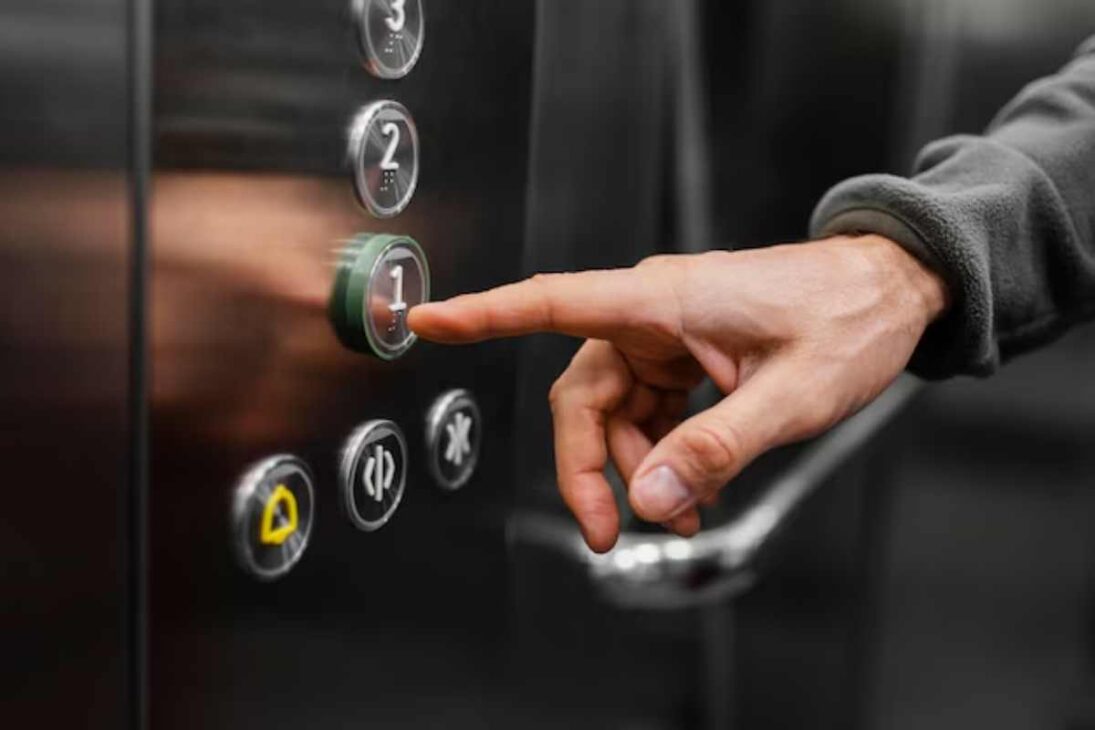
Another classic effect is the alteration in the perception of your own weight. Have you ever felt butterflies in your stomach when starting to descend or felt “pressed” against the floor when accelerating upwards?
This sensation is caused by acceleration, known as G-Force.
- Going Up: When the elevator accelerates upwards, the floor pushes your feet with a force greater than gravity. For a fraction of a second, your body interprets this as an increase in weight.
- Going Down: During the acceleration downward, the opposite happens. The floor “slips” slightly from your feet, decreasing the contact force. This sensation of lightness is what we commonly refer to as “butterflies in the stomach.”
Modern elevators, especially high-speed ones, have technological systems that smooth out these accelerations to make the ride as comfortable as possible.
The Fastest Elevators in the World
In some of the largest buildings on the planet, elevator technology is taken to the extreme. They not only ascend hundreds of floors but do so at impressive speeds.
- Speed Record: The elevator at the Guangzhou CTF Finance Centre in China is one of the fastest in the world, reaching a speed of 75.6 km/h.
- Cutting-Edge Technology: To ensure passenger comfort at such high speeds, these systems use electronic cushioning, aerodynamic cabins, and active guides that minimize vibrations and discomfort sensations.
For most people, the effects of an elevator ride are harmless. However, those with sensitivity to dizziness (such as labyrinthitis) may feel greater discomfort, and it is recommended to avoid sudden movements and keep your gaze fixed on a point during the ride.
Have you ever felt a stronger feeling of butterflies in your stomach in a very tall building’s elevator? Share your experience in the comments!


Adorei, obrigada!