Portuguese
  Spanish


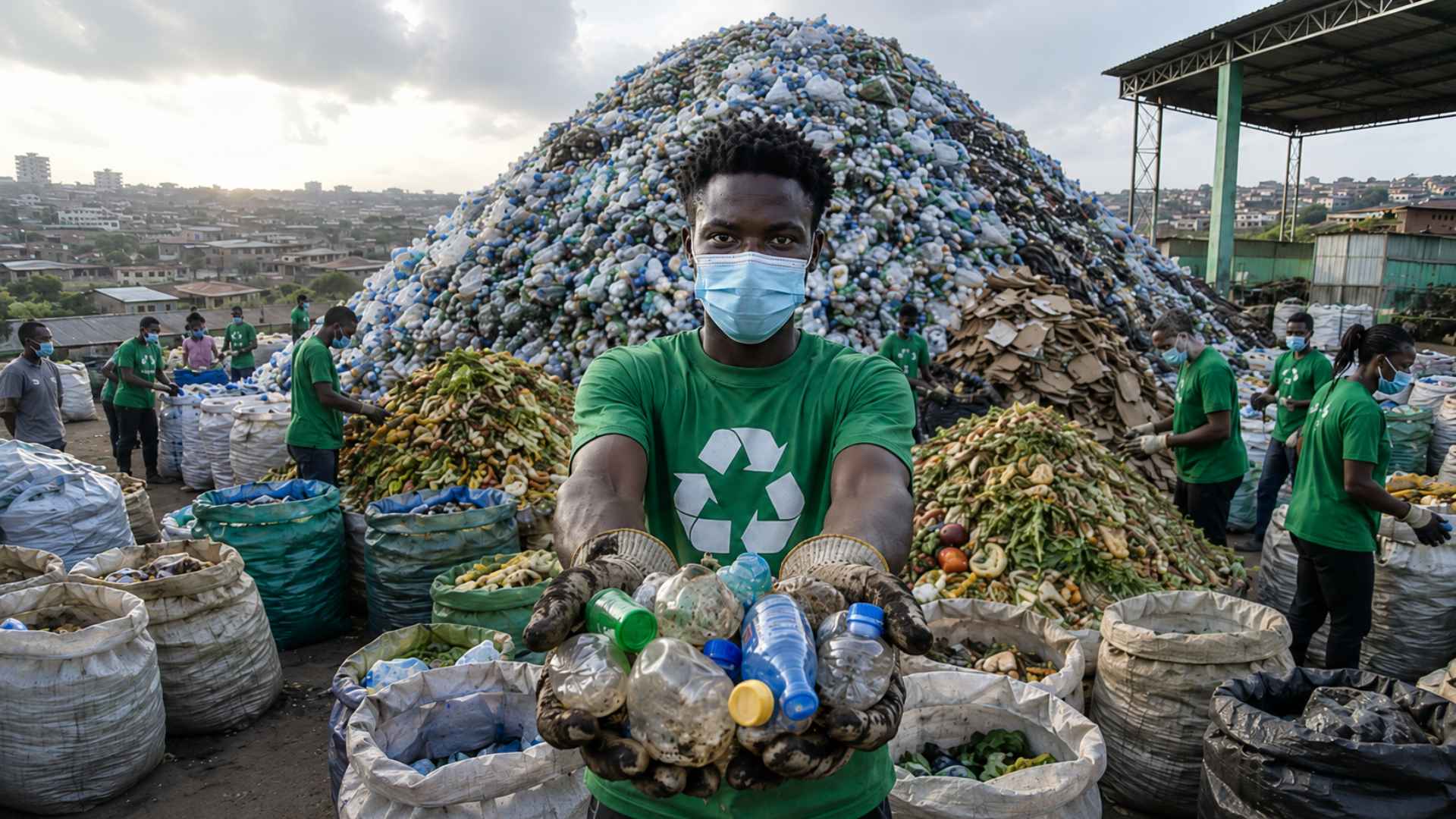

Youth-led Ghanaian project gains international recognition by connecting waste management, clean air, and income generation in urban communities affected by open burning of waste, with million-dollar support to expand a “zero waste” model in the African continent.
A youth-led organization in Ghana won the Earthshot Prize 2024 with a waste management model aimed at reducing open burning of waste, improving air quality, and expanding income sources in urban communities affected by irregular disposal.
The Green Africa Youth Organization, known as GAYO, was recognized in the Clean Our Air category and received £1 million to expand the initiative, according to information released by the Earthshot Prize when announcing the 2024 edition winners.
The announcement took place on November 6, 2024, during the Earthshot Prize ceremony held in Cape Town, South Africa, with the selection of five winners in different categories related to environmental solutions.
-
Chevrolet Offers Chance to Win a 2026 Sonic RS for Free via WhatsApp

-
Earthquake vs. Tsunami: Which Causes More Destruction and Why One Can Be Even More Dangerous
-
Hospital Cook Discovers 1,700-Year-Old Pot of 52,503 Roman Coins Using Metal Detector in Field

-
Salvador’s Acarajé Vendors Turn Used Frying Oil into Income by Selling it for Biodiesel Production



In addition to the financial resource, the award provides technical support, mentorship, and connections with an international network focused on scalable environmental projects, according to the official description of the prize.
In the case of GAYO, the recognition highlighted the “zero waste” model, which combines community organization, behavior change, material separation, and waste reuse in urban areas.
The proposal seeks to reduce the volume of waste abandoned in streets, informal landfills, or open burning sites, a practice associated with the release of smoke, particles, and gases into the atmosphere.
According to the Earthshot Prize, the organization’s goal is to reduce greenhouse gas emissions and particle pollution in Ghana by up to 70%, compared to open burning of waste.
The initiative also aims to divert 50 tons of waste per month, equivalent to 600 tons per year, until reaching 4,000 tons diverted by 2030, as presented by the award data.
Urban waste becomes clean air strategy in Ghana
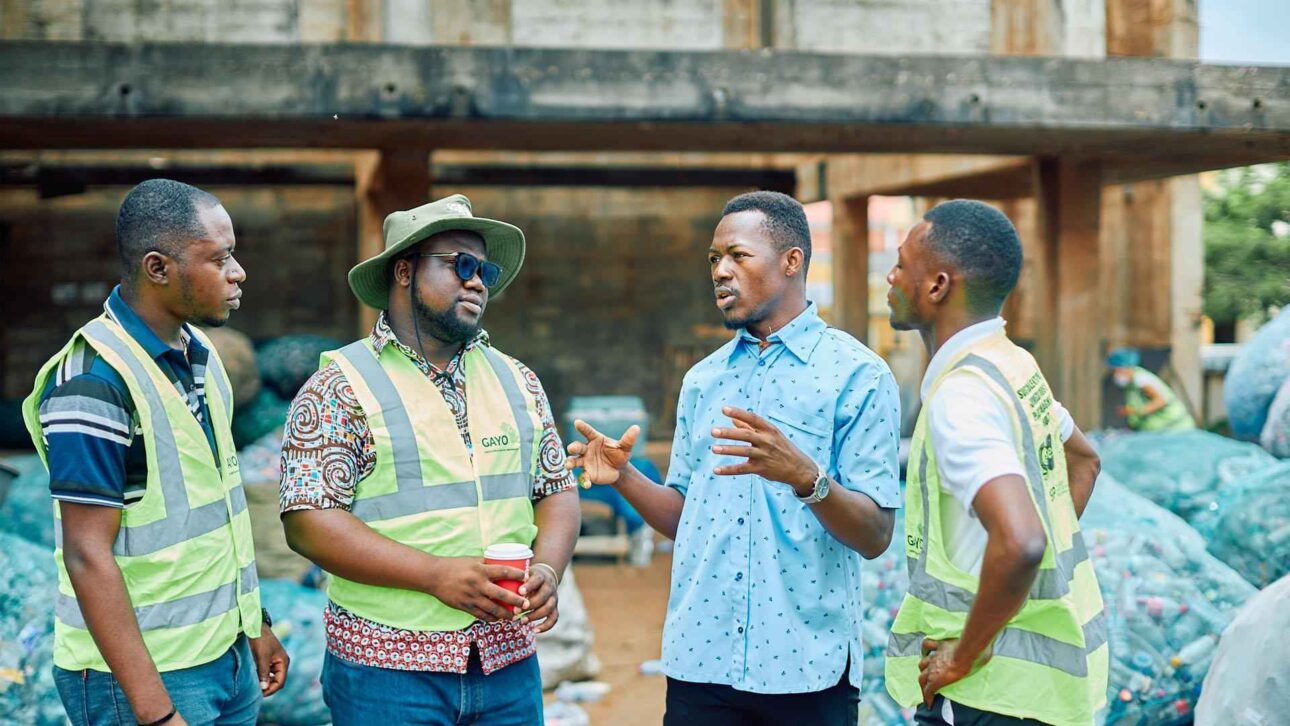
Open burning of waste remains present in urban areas where formal collection does not serve the entire population or does not keep up with the growth in disposal volume.
When organic materials, plastics, and other waste are burned, they can release smoke, fine particles, and gases that affect air quality, according to organizations working on the clean air agenda.
In this context, GAYO treats waste management as part of an environmental health policy, in addition to an urban cleanliness issue and public service organization.
Instead of focusing the solution solely on final collection, the project starts with the separation of materials and the mobilization of residents in areas where irregular disposal has a direct impact.
The model’s structure brings residents, waste pickers, local leaders, and reuse initiatives closer together, aiming to create routes for materials that might otherwise end up burned or discarded without treatment.
From this network, waste is directed to recycling, composting, or other production chains linked to the circular economy, as described by the Earthshot Prize.
The relationship between poorly managed waste and polluted air is one of the central points of the initiative, as open burning of waste appears as an avoidable source of pollution.
By reducing the amount of waste burned, the organization seeks to cut a direct source of particles released into the urban environment and associated with the degradation of air quality.
Communities enter the center of the solution
The initiative is based on the local organization of the waste system, with actions of environmental education, community engagement, and creation of alternatives for discarded materials.
The project foresees that waste has economic value before becoming final disposal, which allows integrating residents and informal workers into a more structured reuse chain.
In communities with limited infrastructure, decentralized solutions can complement formal collection systems, especially in places where public service does not reach all households.
Waste separation reduces the volume sent to landfills and facilitates the routing of materials that can be reused, recycled, or converted into inputs for other activities.
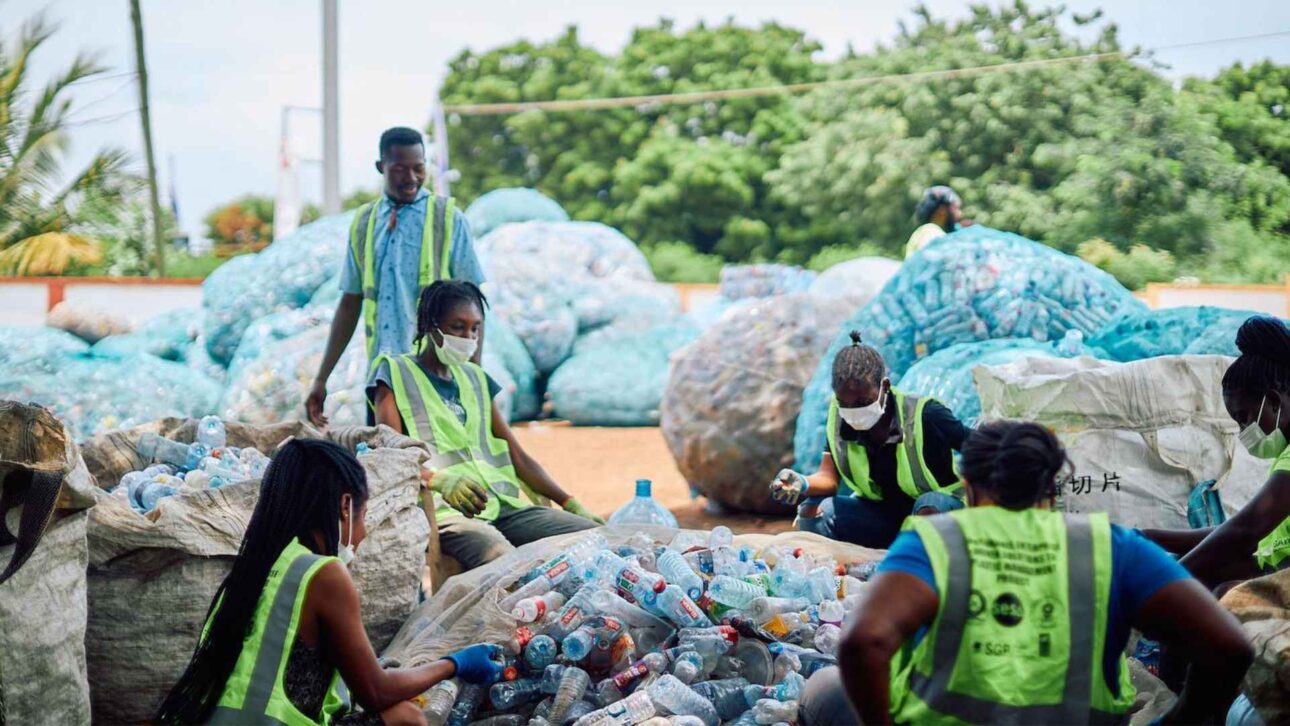
By involving people who already deal with waste daily, the organization also creates income opportunities in activities related to recycling, reuse, and pollution reduction.
Waste pickers and local agents become part of a chain with defined roles, rather than appearing only as an informal part of an urban disposal system.
The Earthshot Prize describes GAYO as a youth-led and gender-balanced organization, a characteristic mentioned in the official presentation of the 2024 winners.
The close work with affected communities is presented by the award as part of the model, as the initiative was structured in areas where the effects of urban waste are felt daily.
Earthshot Prize expands the reach of the initiative
The international recognition placed the Ghanaian experience in a global network of environmental initiatives supported by the Earthshot Prize, an award created to identify and fund solutions with expansion potential.
GAYO was nominated for the award by the Clean Air Fund, an organization focused on tackling air pollution, and competed in the category dedicated to air quality improvement projects.
Each Earthshot Prize winner receives £1 million to develop and expand their environmental solution, in addition to support offered by the network of partners linked to the award.
This support includes institutional connections and technical monitoring for projects that depend on adaptation to different cities, communities, and public management structures.
The organization intends to use the visibility and resources from the award to strengthen the expansion of the model in Ghana and other African countries.
The proposal is to replicate “zero waste” practices in urban areas facing similar challenges, such as population growth, insufficient collection, and pressure on disposal sites.
According to the Earthshot Prize, GAYO’s model is considered replicable and can be taken to other regions of the African continent if it progresses according to the scaling plan presented by the organization.
The expansion, however, depends on the ability to adapt the community structure, reuse routes, and the participation of local agents to different urban realities.
Waste management also impacts urban health


Air pollution is often associated with sources like traffic, industries, and urban dust, but waste burning also contributes to smoke and particle emissions in many urban centers.
In places where garbage is burned due to lack of regular collection or disposal alternatives, waste management becomes directly related to the quality of air breathed by the population.
By connecting these two themes, GAYO structures a solution based on an operational logic: reducing the volume of burned waste to decrease emissions generated by improper disposal.
The expected effect does not depend solely on removing waste from the streets, but on creating a system that prevents irregular disposal from the early stages of the chain.
This change requires continuous participation from communities, because separating materials, directing organic waste, and identifying economic value in discarded items depends on local guidance and structure.
Trust relationships are also necessary between residents, community organizations, and agents who operate the stages of collection, separation, recycling, and reuse.
The experience in Ghana brings together climate goals, public health, and income generation in a single waste management strategy.
In this model, disposal is no longer treated only as an urban cost and becomes part of an environmental and economic chain linked to pollution reduction.
The challenge for GAYO, after the award, is to expand the model without losing the connection with the communities that participated in building the solution.
In African cities where garbage is still burned as an alternative to lack of collection, the Ghanaian experience indicates that improving air quality also involves the fate given to waste discarded every day.