Portuguese
  Spanish


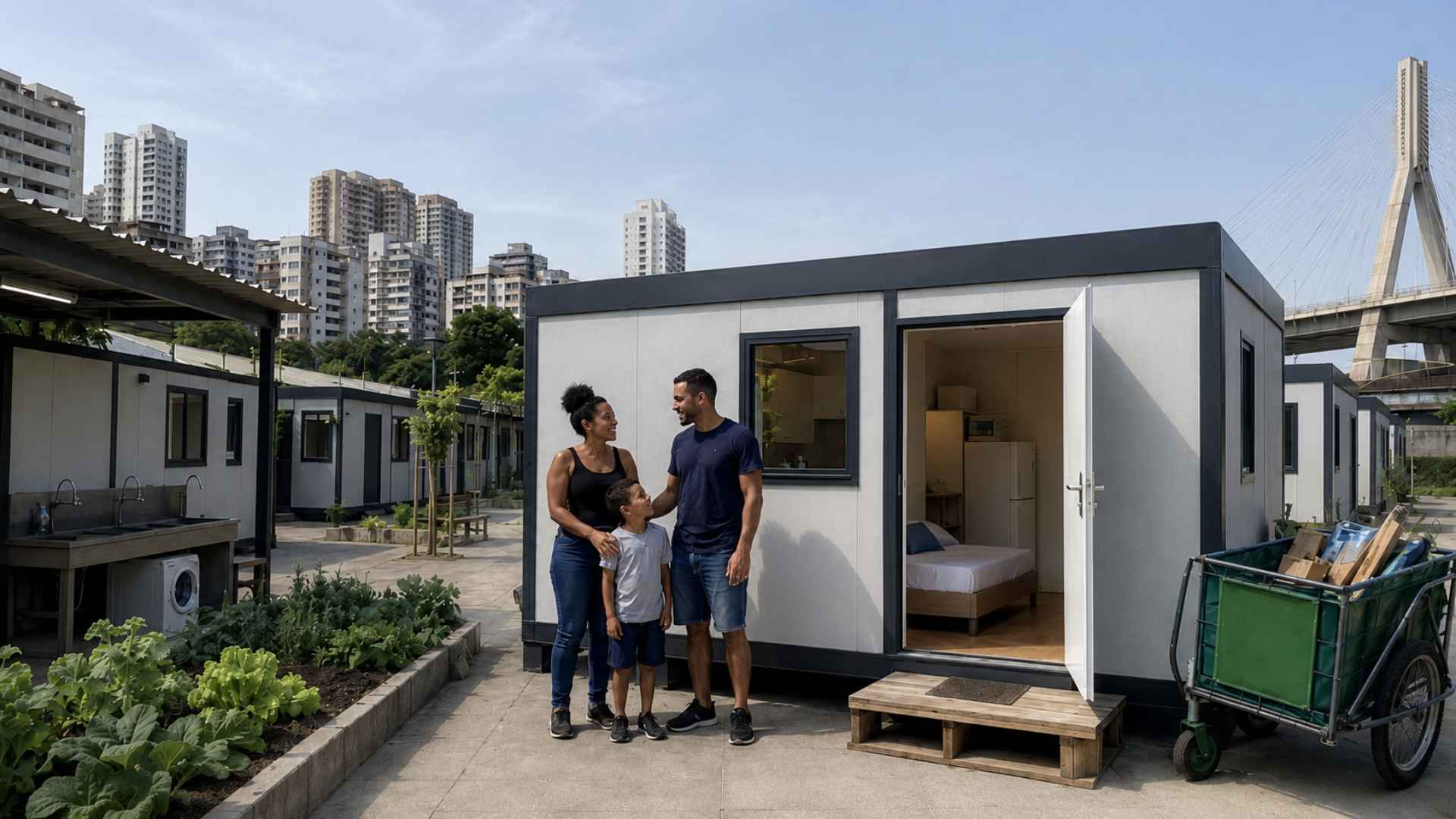


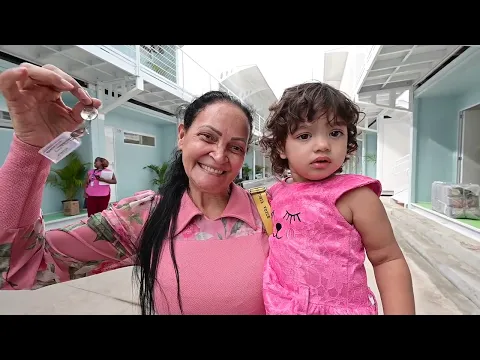
Modular houses with housing structure, continuous social care, and shared areas have become part of the municipal policy to accommodate families and people in street situations in São Paulo, with individualized units and spaces aimed at reorganizing the routine.
The São Paulo City Hall has adopted a model of transitional housing in modular houses to accommodate people and families in street situations in individualized units, equipped with a bathroom, sink, beds, refrigerator, stove, and wardrobes.
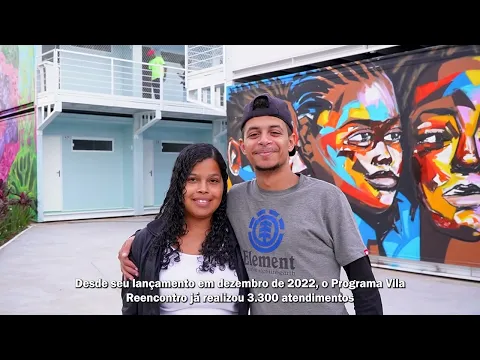
Called Vila Reencontro, the service is part of the Reencontro Program and offers temporary care with social support, in a format different from the concentrated accommodation in large collective dormitories, according to information released by the municipal administration.
According to official data from the municipality, the Vila Reencontro network comprises 550 modules and has the capacity to serve more than 2,000 people in different regions of the São Paulo capital.
-
Chevrolet Offers Chance to Win a 2026 Sonic RS for Free via WhatsApp

-
Earthquake vs. Tsunami: Which Causes More Destruction and Why One Can Be Even More Dangerous
-
Hospital Cook Discovers 1,700-Year-Old Pot of 52,503 Roman Coins Using Metal Detector in Field

-
Salvador’s Acarajé Vendors Turn Used Frying Oil into Income by Selling it for Biodiesel Production



Each unit is 18 m², but some structures can reach 36 m², depending on the family composition or the need for adaptation for people with disabilities and reduced mobility.
The proposal caters to different profiles within the street population, such as single people, families with children, larger socio-affective groups, and residents who need accessibility in the units.
In this format, the service combines temporary housing, preservation of some privacy, and technical assistance aimed at reorganizing life off the streets, according to the municipal program guidelines.
Modular houses of Vila Reencontro in São Paulo
The modular units were planned as transitional housing, with basic household items and a separate structure for people or families referred to the service by the municipal network.
Inside, the modules include double beds, bunk beds, or cribs, as well as a refrigerator, two-burner stove, and cabinets to store clothes and belongings of the accommodated individuals.

Compared to models based solely on collective dormitories, Vila Reencontro organizes care in separate units, where families and individuals can maintain part of their domestic routine.
This format also allows sheltered individuals to stay with their family units in an environment with its own rules, social services, and minimal equipment for daily life.
For families with children, the presence of bathroom, sink, beds, and domestic equipment within the module itself reduces dependence on shared structures for basic daily tasks.
In addition to the housing, the villages include common areas intended for essential activities, social services, internal circulation, and support services as outlined by the City Hall.
The municipal management informs that the units are equipped with a kitchen, dining hall, laundry, bathrooms, playground, administrative rooms, spaces for social services, food storage, bicycle parking, garden, and cart parking.
Structure considers the routine of those trying to leave the streets
The presence of a laundry, communal kitchen, garden, and areas for social services extends the service beyond overnight stays, according to the official description of the transitional housing model.
According to municipal rules, Vila Reencontro must provide conditions for the sheltered to handle documentation, family ties, access to public policies, work, and housing alternatives.
For people living in tents, under eaves, on sidewalks, or in improvised occupations, activities like washing clothes, cooking, storing food, and protecting personal belongings are part of the practical demands of the service.
In the villages, these activities take place in an organized structure, with rules of coexistence, technical support, and shared spaces intended for the daily use of the sheltered.
The cart parking is among the equipment informed by the City Hall and is related to the routine of some sheltered individuals who work in recyclable material collection.
This activity depends on specific work tools, circulation, and temporary storage, which explains the presence of a specific area for carts within the service structure.
The bicycle parking serves the same operational purpose, providing space for transportation means used by the sheltered for daily commuting or work-related activities.
Although these facilities do not replace income and housing policies, they are part of the support structure planned for temporary stays in the Vila Reencontro units.
Social support in transitional housing
The Reencontro Village is linked to the Municipal Secretariat of Assistance and Social Development and was regulated as a transitional housing service in modular units.
The current regulation defines the modality as temporary, individualized, and qualified housing, with the joint construction of a process for exiting the street situation.
During their stay in the villages, the sheltered individuals receive social assistance for referrals related to documentation, health, work, education, social assistance, family ties, and access to other public services.
According to municipal regulation, the purpose is to contribute to a more structured exit from the street situation, with technical support and referrals within the social protection network.
Access to the service occurs by requesting a vacancy from the Vacancy Regulation Center, usually from facilities like CREAS or Centro Pop, with a social report and technical evaluation.
The concession considers eligibility and prioritization criteria provided in the municipal policy, according to the situation of the person or family referred to the service.
As the housing is transitional, the service does not replace a permanent housing policy nor does it eliminate the need for long-term solutions for sheltered families and individuals.
In this context, the units function as a stage of qualified reception, while those attended receive support to seek alternatives for autonomy, income, and housing outside the street situation.
Expansion of the Reencontro Village in São Paulo’s capital
The implementation of the Reencontro Village began within the Reencontro Program, created to organize municipal policies aimed at assisting the homeless population.
With the expansion of the service, the City Hall began to promote units in different regions of the city, including central areas, the southern zone, and the eastern zone of the capital.
Among the locations informed by the municipality are units in regions such as Canindé, Jabaquara, Guaianases, Sapopemba, and Cidade Tiradentes, in addition to other points linked to the program.
The network was presented by the municipal administration as part of a strategy to decentralize reception, offering vacancies in territories where there is demand for the service.
In Canindé, one of the units had modules adapted for people with disabilities or reduced mobility, with 36 m² and access ramps, according to information from the City Hall.
In other units, larger houses were also planned for families of up to eight members, according to the configuration released by the municipal management for the Reencontro Village.
The modular model allows assembly in areas previously defined by the public authorities and creates villages with internal circulation, support equipment, and communal spaces.
The continuity of service depends on service management, coordination with other public policies, and the provision of referrals that allow exiting the street situation.
Service is no longer limited to collective overnight stays
The small houses with a bed, bathroom, sink, refrigerator, and stove represent, according to the City Hall, a type of shelter with housing elements, even if temporary.
With this format, the service is no longer restricted to offering a place to sleep and includes a minimum domestic structure within individualized units.
This change occurs in a city where the presence of families living on the streets is recorded on sidewalks, squares, commercial areas, and other public spaces.
By offering separate modules, the City Hall seeks to create an intermediate stage between the street, the shelter centers, and more stable housing alternatives.
The service design also considers that the homeless population has different trajectories, varying levels of vulnerability, and diverse service needs.
There are individuals alone, families with children, socio-affective groups, residents with disabilities, recycling workers, and individuals who depend on specific referrals in the public network.
Vila Reencontro functions, therefore, as a municipal modality of transitional housing for those who need to reorganize their lives with some degree of privacy, social support, and daily structure.
Passing through the units depends on technical monitoring, coordination with public services, and referrals for income, family ties, documentation, and housing outside the street situation.