Portuguese
  Spanish


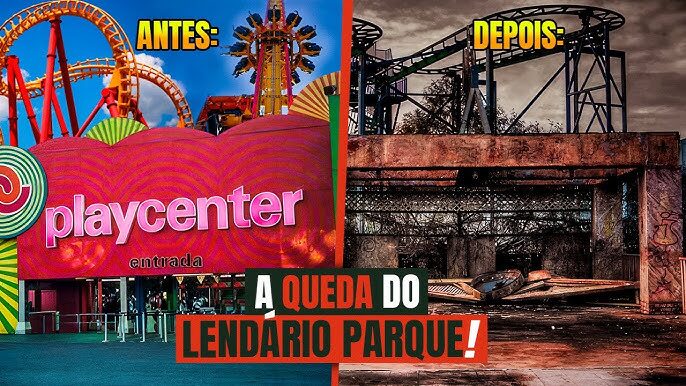


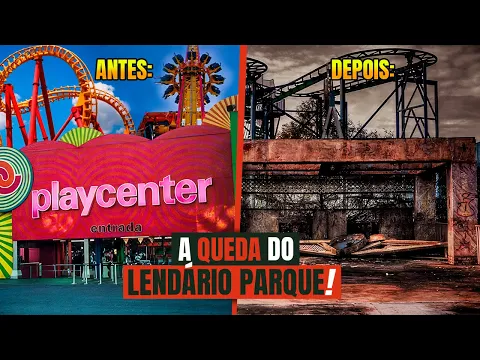
What Happened to Playcenter? The Most Famous Park in SP Closed in 2012 and Was Demolished. Know the Reasons and See Nostalgic Curiosities.
For decades, Playcenter was the biggest symbol of fun in São Paulo and a national reference in amusement parks. But after all, what happened to Playcenter?
Inaugurated in 1973 in Barra Funda, the park marked the childhood and adolescence of millions of Brazilians, especially in the 80s and 90s.
With imported attractions, thrilling roller coasters, and a unique adrenaline atmosphere, it quickly established itself as one of the main leisure options in the capital.
-
Stingless Bee Honey from Brazil Can Cost Up to $120 a Liter, Surprises with Flavors of Wood, Citrus, and Even Cheese

-
Woman Claims to Have Spotted a Technical Pattern in Recent FIFA Tournaments, Predicts Possible World Cup Winner
-
Chevrolet Offers Chance to Win a 2026 Sonic RS for Free via WhatsApp
-
Earthquake vs. Tsunami: Which Causes More Destruction and Why One Can Be Even More Dangerous


But what seemed to be an entertainment empire began to crumble over the years.
Violence, competition, changes in consumer behavior, and management problems transformed Playcenter’s magical experience into a distant memory.
In 2012, after nearly 40 years of operation, the park was permanently closed — and soon after, demolished.
A Cultural Phenomenon That Went Beyond a Park
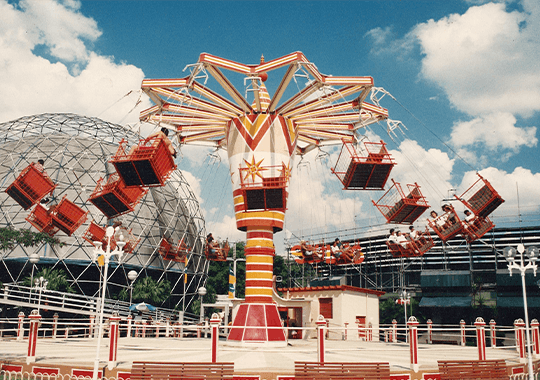
Playcenter was not just an amusement park: it was a symbol of status and modernity.
In the 80s, visiting the park was a dream of consumption for children from all social classes.
The success was so great that it became the setting for TV Globo programs, such as “Xou da Xuxa,” and even inspired similar parks in other regions of Brazil.
With rides imported from Europe and the USA, such as the traditional Looping Star roller coaster, the Boomerang, and the Ferris Wheel, the park provided experiences that previously only existed outside the country.
In addition, the “Nights of Terror,” launched in 1988, became one of Brazil’s biggest seasonal attractions, drawing crowds and elevating the park to pop icon status.
From Glory to Decline: When Everything Started to Change
In the 2000s, the scenario began to change drastically. The feeling of insecurity increased in the Barra Funda region, with reports of robberies and muggings nearby.
The visitor experience was no longer as magical as before — and this directly affected the number of patrons.
At the same time, new entertainment options emerged, such as indoor parks in shopping malls, 3D cinemas, the internet, and more accessible video games, which began to compete directly with the park.
Furthermore, the arrival of more modern theme parks, like Hopi Hari and Beto Carrero World, began to divert the public’s interest.
Even with the traditional Nights of Terror still being a success, the annual revenue no longer justified the high maintenance costs.
The Announcement of the End: A Shock for Thousands of Fans
In 2012, the park’s management officially announced its closure.
The justification was that the space would undergo a “total reformulation” and would make way for a new model of park, more modern and educational, aimed at children.
But the truth is that the project never came to fruition. In 2014, Playcenter’s land was sold, and gradually, the entire structure was demolished.
What remained was a huge void — both physical and emotional — for thousands of Brazilians who held fond memories of the place.
Today, on the same site, there is an events center, parking lots, and commercial enterprises. The park, which was once the epicenter of fun, simply ceased to exist.
The Legacy of Playcenter Lives On in Memory
Even though it is no longer in existence, Playcenter continues to be the subject of reports, documentaries, YouTube videos, and nostalgic posts on social media.
In Facebook groups and forums, fans still share old photos, entry tickets, t-shirts, and emotional accounts of visits to the park.
In 2016, the Playcenter brand was revived in a new format, with an indoor park at Shopping Aricanduva in São Paulo.
However, it is a much simpler version, with no direct relation to the original park — and geared exclusively towards children.
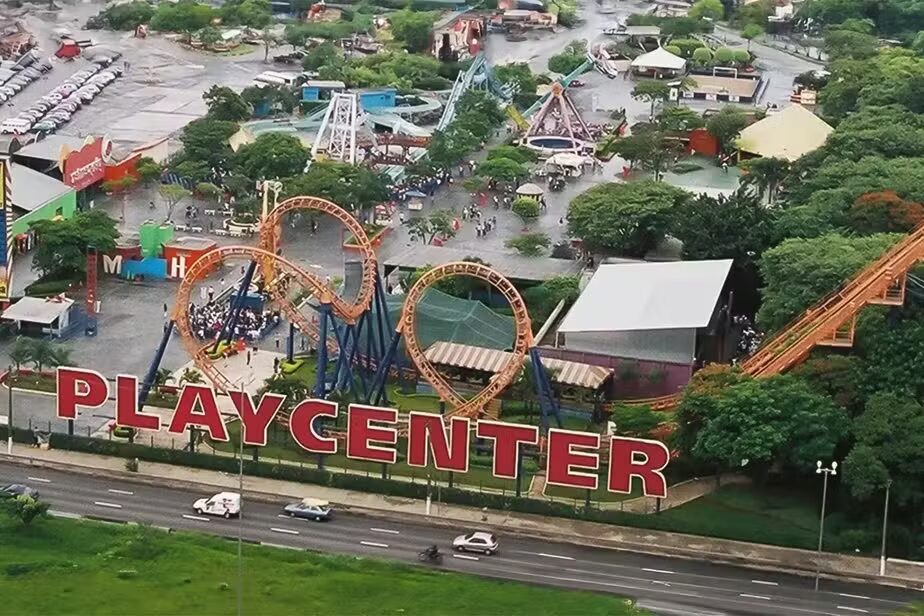
Why Did Playcenter Close?
The closure of Playcenter was the result of a combination of factors: urban insecurity, competition, changes in consumer profile, and strategic failures in brand renewal.
Moreover, the high maintenance costs of old and imported attractions made the business increasingly unsustainable.
Unlike international parks that constantly reinvent themselves, like Disney or Universal, Playcenter remained almost unchanged for years, which made it outdated in the face of new audience demands.
The lack of investment in technology and innovation was one of the decisive factors for its decline.
What Could Have Been Done?
Entertainment experts believe that the park could have been saved with a more aggressive restructuring in the 2000s, including a change of location and modernization of attractions.
However, the necessary investments for this repositioning were high — and the owning group decided not to proceed.
Today, Playcenter is remembered as one of the biggest losses in Brazilian entertainment, and its story serves as a warning for companies that fail to evolve over time.
And you, did you visit Playcenter? Which ride marked your childhood the most? Tell us in the comments!