





 Portuguese
  English
  Spanish
  4 min of reading
  0 comments


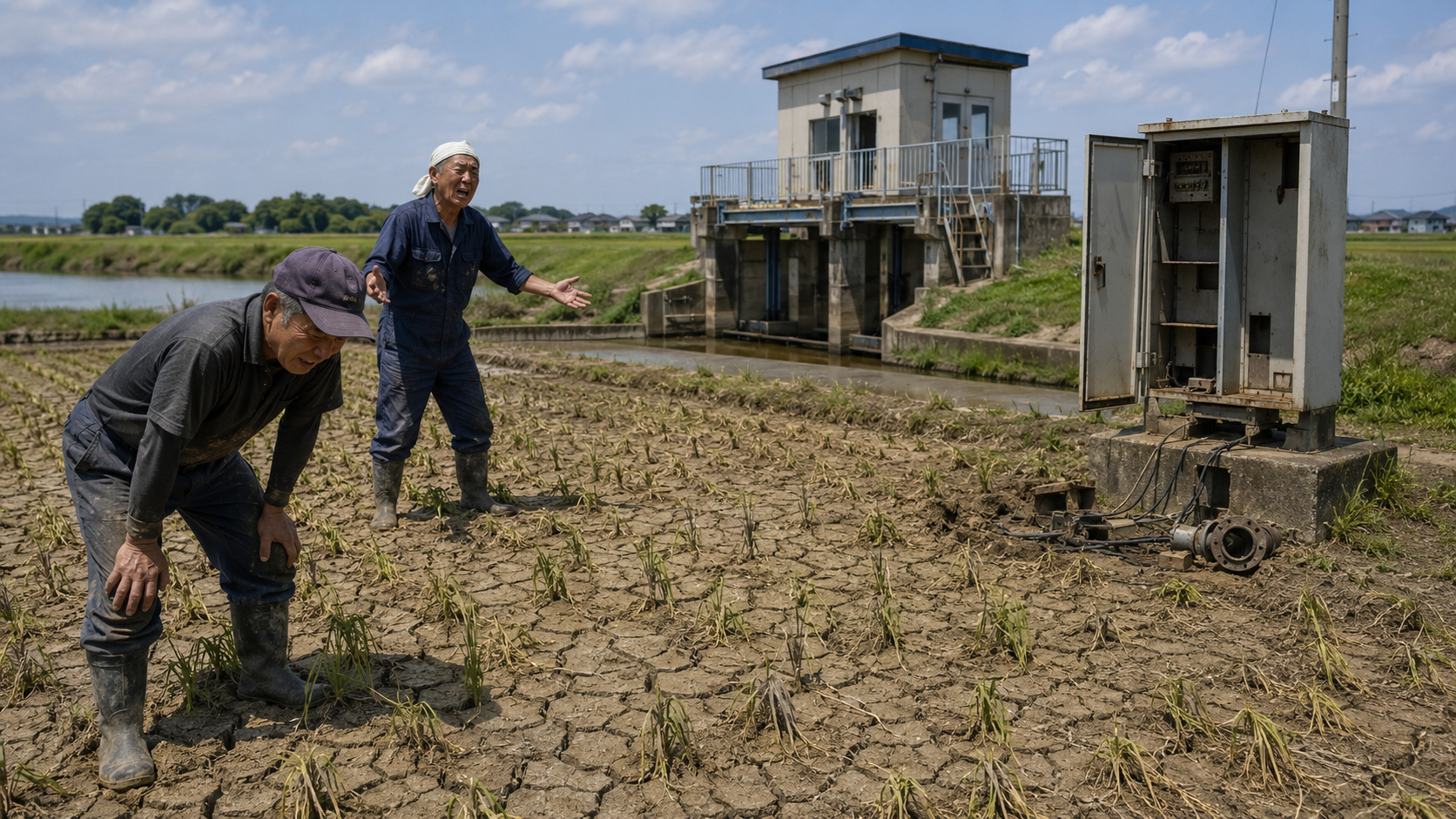
Theft of copper and brass at pumping station in Japan halts irrigation, dries up newly planted rice fields, and causes losses to producers.
Amid one of Japan’s recent major concerns about rice supply, producers in the city of Tōnoshō, in Chiba Prefecture, were caught off guard by a problem as unlikely as it was devastating. Shortly after planting, several rice fields began to dry up rapidly, not due to lack of rain or an extreme heat wave, but because of the theft of essential metal components for the operation of the local irrigation system.
The case came to light in early June 2026 and caused outrage among farmers in the region. According to local authorities, thieves stole copper cables and brass valves from the Higashi-Imaizumi pumping station, a structure responsible for bringing water from the Tone River to the agricultural fields. With the system paralyzed, irrigation was halted precisely during the most sensitive period of the crop’s initial development.
Theft of copper and brass halts system that supplied rice fields with water from the Tone River
According to information released by the Japanese press, the criminals broke into the pumping facility and took high-value metal components.
-
A Kenyan company co-founded by a Chinese individual is transforming agriculture in Kenya by connecting small farmers directly to reliable markets, paying immediately for the harvest, and reducing post-harvest losses by up to 70%, in a model that combines technology, logistics, and practices inspired by China.

-
Deforestation-free cocoa becomes a requirement in Europe and puts Côte d’Ivoire in a race against time.

-
Sugarcane is no longer just sugar: São Martinho’s project transforms waste into biomethane, promises to replace diesel, and can reduce emissions by up to 87% in Brazilian agricultural transport.
-
Brazil tightens the clampdown on imported tilapia and raises an alert in the sector following taxation, sanitary inspection, and projects in the Chamber.


The main target was copper cables and brass valves used in the operation of the hydraulic system responsible for distributing water to the region’s rice fields. Without these pieces of equipment, the pumps stopped operating normally.
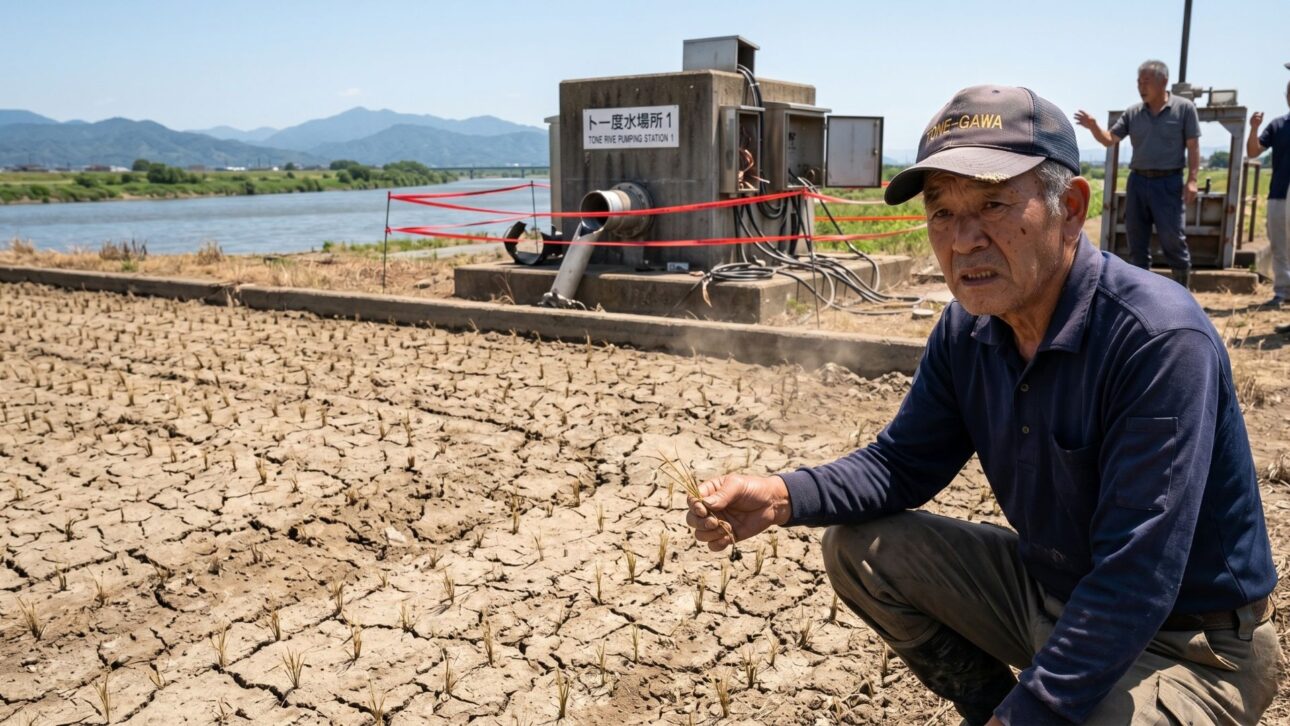
The problem quickly became apparent in the plantations. Within a few days, farmers began to notice that water was not reaching the newly planted fields, causing areas that should have remained flooded to start drying up.
Newly planted rice depends on constant irrigation to survive
The situation was especially serious because it occurred right after planting. Traditional rice cultivation in Japan depends on flooded fields during an important part of the initial crop cycle. The water layer helps control weeds, stabilize temperature, and ensure suitable conditions for plant development.
When irrigation was interrupted, some rice fields began to show signs of water stress at a time considered critical by the producers.
Farmers interviewed by the local press reported surprise and outrage, as the water loss occurred exactly when the seedlings most needed stability to establish themselves in the soil.
Producers were outraged by the damage caused by an apparently simple crime
What stood out most was the contrast between the value of the stolen items and the impact caused. Although copper cables and brass valves can be resold as metal scrap, the losses for the farmers can be much greater than the value obtained by the criminals.


Besides the risk of production losses, the interruption of irrigation forced local teams to mobilize emergency resources to restore water supply and prevent even greater damage to the crops.
Reports published in the Japanese press show farmers questioning why the crime occurred precisely during the most important period of the agricultural calendar.
The case occurs at a delicate moment for the Japanese rice market
The episode happens in a context of strong national concern with rice production. In recent years, Japan has faced issues related to the supply of the cereal, including stock reduction, price increases, and food security concerns.
Data previously released by the Japanese Ministry of Agriculture showed that private rice stocks reached the lowest levels observed in decades.
Moreover, the country has been facing challenges related to the aging rural population, a reduction in the number of producers, and difficulties in keeping certain agricultural areas fully productive.
Therefore, any threat to local production ends up receiving special attention from the authorities and the consumers themselves.
Agricultural infrastructures have become targets for criminals in search of metals
The case also raised an alert about the vulnerability of rural facilities. In recent years, different regions of Japan have reported thefts involving copper, aluminum, and other metals used in electrical and hydraulic systems.
The increase in international prices of these materials has turned agricultural infrastructures into relatively easy targets for criminals.
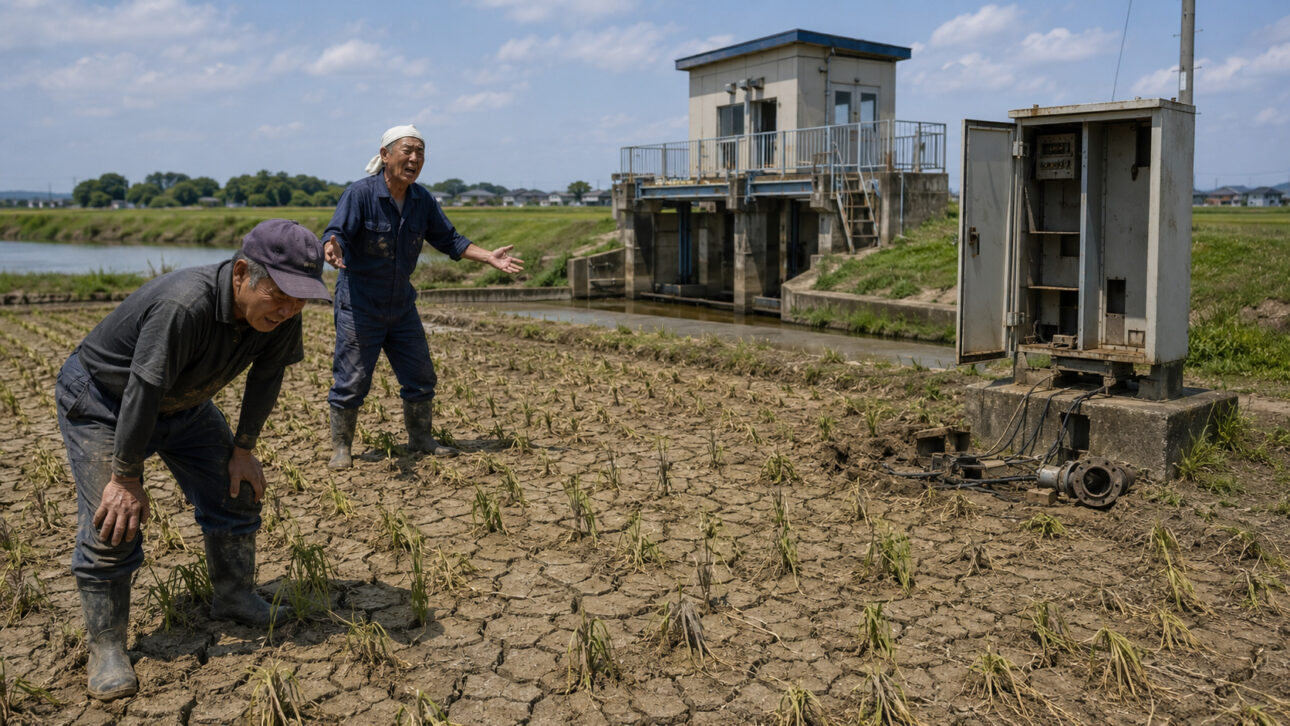
When theft occurs in urban areas, the losses usually appear in electrical systems or telecommunications networks. In the countryside, however, the impact can directly affect food production.
In the case of Chiba, the result was immediate: rice fields that should have remained supplied began to dry up a few days after planting.
A paralyzed pumping station was enough to compromise a critical stage of the harvest
The episode shows how modern agriculture depends on structures that often go unnoticed by the public.
While consumers only see the cultivated field, there is a network of pumps, channels, valves, electrical systems, and control equipment operating continuously to ensure that water reaches the correct locations.
When one of these pieces stops working, the effects can appear quickly.
In Tōnoshō, the theft of metallic components was enough to interrupt irrigation and put newly-implanted crops at risk, turning an apparently simple crime into a major agricultural problem.
The situation also raises a question that goes beyond Japan: if the theft of a few cables and valves is capable of drying up entire rice fields a few days after planting, how many other critical agricultural infrastructures around the world remain vulnerable to the same type of attack?








Be the first to react!