






 Portuguese
  Spanish


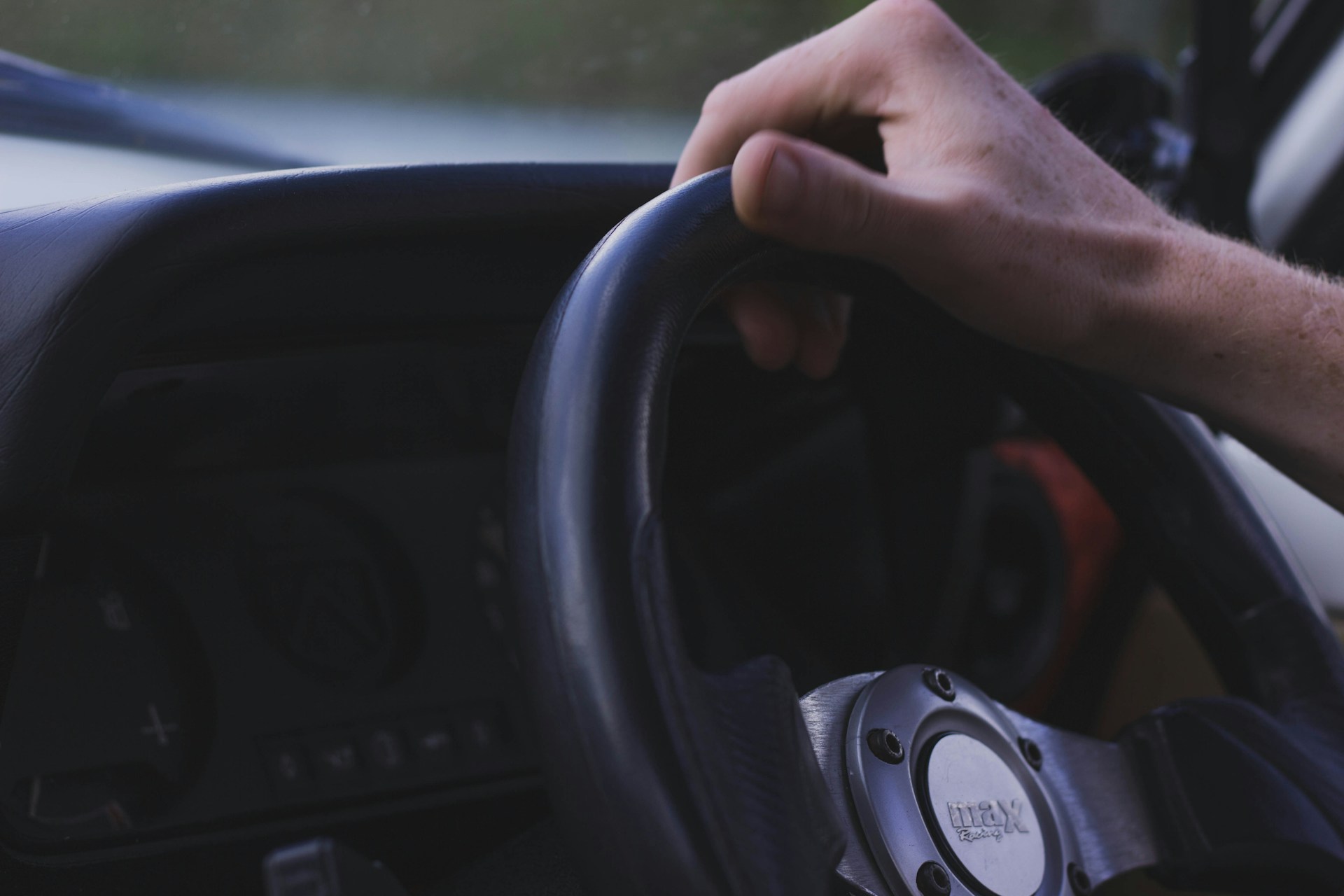

English Hand: A Medieval Tradition That Became Law in Countries Like the United Kingdom, Japan, and Australia, Influencing Even Today the Way of Driving and Organizing Traffic
Our driving standard seems natural. In Brazil, we drive on the right, with the steering wheel on the left side of the car. But in several countries, the rule is the opposite. This difference is not random; it has historical, cultural, and even military explanations.
What Is the English Hand
The English hand is the system in which vehicles move on the left side of the road. As a result, cars have the steering wheel on the right side, unlike what happens in countries like Brazil. This driving model impacts how to drive, overtake, and organize traffic on the roads.
The practice of driving on the left is very old. It dates back to the Middle Ages when knights preferred to stay on that side of the road to keep their right hand free. Since most were right-handed, it was easier to wield a sword if necessary. This custom remained for centuries.
-
São Paulo to Host Brazil’s Largest Military Aviation Museum, Aiming for Global Top Five by 2027 with 100 Aircraft Displayed

-
Entrepreneur Leaves Job After 20 Years, Invests Under $200 to Launch Sustainable Craft Store Inspired by Beeswax Wraps, Now Earning $7,000 Monthly

-
Long Island Home Found with Over 155 Animals, Including Sick Cats and Dogs Without Clean Water, Amid Strong Ammonia Odor Leading to Police Investigation

-
Brazilian Army’s Survival Kit Sustains Soldier for 12 Hours Without Cooking, Includes Stove, Fuel Gel, and Matches for Remote Missions


Formalization in the United Kingdom
In the 18th century, the United Kingdom formalized the practice. The rule became the norm and spread. With the expansion of the British Empire, this way of driving was taken to various colonies, which still maintain the model today. The tradition was established and continues for cultural and logistical reasons.
Changing the side of the road incurs high costs and can cause confusion. Therefore, countries that adopted the English hand preferred to keep it. Additionally, neighboring regions often share the same system to facilitate traffic across borders.
Where the English Hand Still Exists
The English hand is used in countries such as the United Kingdom, Australia, India, South Africa, Ireland, New Zealand, Malta, Cyprus, Thailand, Pakistan, and even Japan. The latter is an interesting exception: it was not a British colony but also adopts left-side driving.
Steering Wheel on the Right Side
In countries with the English hand, the steering wheel is on the right side of the vehicle. This ensures that the driver has a better view of traffic coming from the opposite direction and facilitates overtaking. The position helps with safety and organization on the roads.
The French hand is what we call the common system in Brazil and much of the world. In it, cars drive on the right and the steering wheel is on the left. In the English hand, however, traffic is on the left and the steering wheel is on the right.
Curious Exception in Brazil
Even with the standard of driving on the right throughout the territory, there is an exception in Brazil. On the BR-101 highway in Ubatuba (SP), there is a stretch where vehicles travel on the left. This occurs due to the local geography, as a way to improve traffic flow.
Influence of Napoleon
During the French Revolution, Napoleon Bonaparte ordered that armies and territories adopt right-side traffic. This decision influenced several European countries, creating the pattern opposite to the British one and shaping the difference we still see in the world.
With information from Olhar Digital.




Também no Rio de Janeiro tem um trecho com a mão inglesa. Fica em frente a policlínica de Botafogo