Portuguese
  Spanish


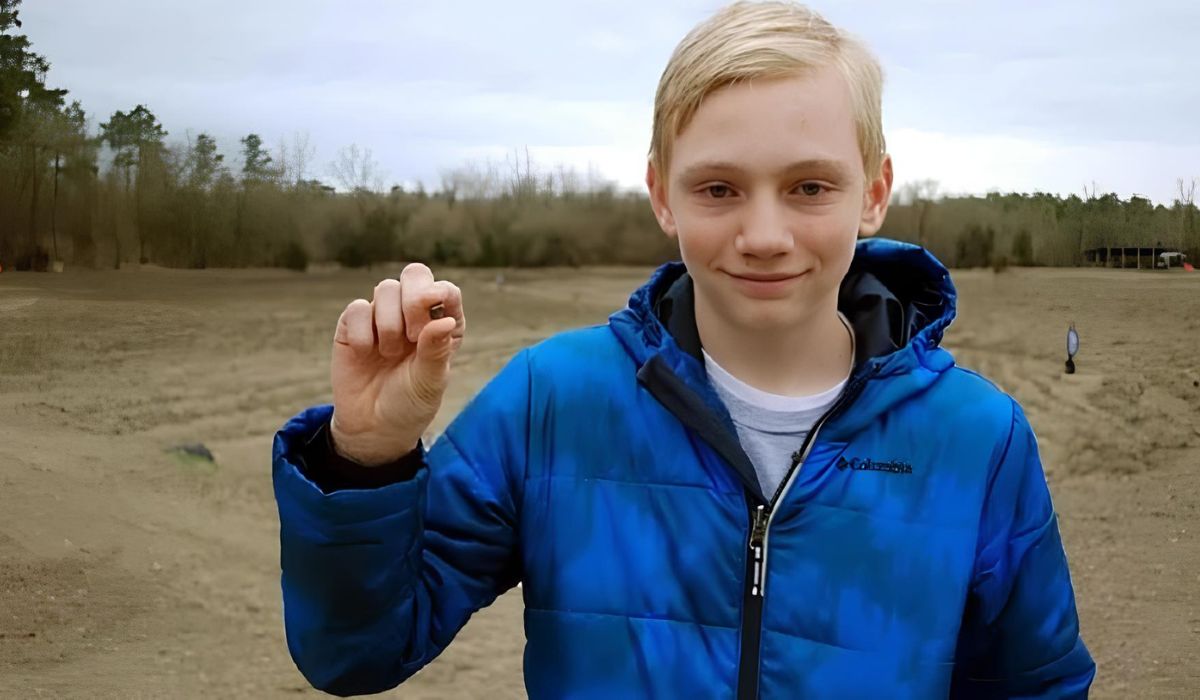


A 7.44-Carat Diamond Found by a Teenager in a Park in Arkansas Has Returned to Circulate on Social Media, While the Official Record Details the Discovery, the Land Conditions, and the Information Registered by the Administration and the Family.
7.44-Carat Diamond Found in Park in Arkansas
A 14-year-old teenager found a rough diamond weighing 7.44 carats at Crater of Diamonds State Park in the state of Arkansas, United States.
The stone was taken to the park’s identification center, which records findings made in the public search area, where visitors can look for and keep what they find, according to the site’s rules.
The episode has resurfaced in recent posts on social media and websites in different countries, often accompanied by the claim that the young man has become “a millionaire.”
-
From Shoeshine Boy to Billionaire: How a Brazilian Entrepreneur Built a Soy Empire Generating Over $1 Billion Annually

-
For nearly 35 years, a famous luxury hotel in the United States concealed a secret bunker with a 25-ton door, over a thousand bunks, a dining hall for 400, and space designed to save the entire Congress from nuclear war.

-
China Invested 17 Billion Yuan to Build a Desert City with Museums and Theaters for 1 Million, but Only 28,000 Moved to Kangbashi Initially

-
Mother and Daughter Convert Small Garage into Full Apartment to Save Money and Stay United




Identification of the Diamond and Family Report
According to the report released by the Arkansas state parks system, the teenager was walking near a spot known as East Drain in the southern part of the search area when he noticed a dark, shiny stone on the ground.
He described the scene this way: “It was a few inches from a trickle of water, alongside several other stones of the same size.”
His father, Craig Langford, stated in the same report that the family had been at the park for a short time when the son found the stone.
“We had been in the park for about 30 minutes when he found it,” he said.
He added that the very dark color initially raised doubts about whether the material was, in fact, a diamond.

Confirmation came later when the find was taken for verification at the Diamond Discovery Center, a facility in the park dedicated to identifying and recording stones found by visitors.
According to the park’s description, the diamond is very dark brown, compared to the color of “coffee,” with a matte appearance and a shape similar to a cushion or a kite.
Rain, Plowed Soil, and Land Conditions
The park administration related the land and weather conditions to the scenario described in the episode.
The park interpreter, Waymon Cox, stated that the combination of rain during the week and plowed area could facilitate the exposure of larger stones on the surface.
“Heavy rain can expose larger diamonds closer to the surface,” he declared, according to the statement.
According to information published by the park in various statements about discoveries, the search area is plowed periodically to loosen the soil and promote the natural movement of the land.
With rain, some of the soil can be displaced, which tends to make heavier minerals more visible on the surface, according to the institution itself.
Still, the park emphasizes that there is no guarantee of finds.
In reports and notes released by the administration, the estimates presented often vary, and the site has reported an average of one to two diamonds found per day, a number that depends on factors such as visitor flow and soil conditions.
Crater of Diamonds State Park and the Rule of Keeping What You Find
Crater of Diamonds State Park is described in institutional materials and international reports as a public space where anyone can search for natural diamonds and keep what they find, following the rules for registration and removal from the site.
This feature is one of the most cited elements when the park is presented to the public.
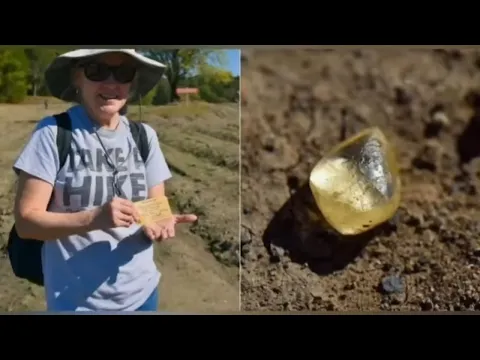

The search area is about 37.5 acres, according to statements from the state parks system itself, and is part of an ancient eroded volcanic structure.
Over the decades, the park has built a history of registered finds, which the administration uses as a basis to publicize statistics and more significant episodes.
Value of the Diamond and Limits of What Constitutes an Official Record
The term “millionaire,” associated with the case in content circulating online, is often supported by unofficial estimates made based on the size of the diamond and comparisons with market values.
However, in the material released by the park regarding this specific find, there is no price information, nor any indication of sale or payment related to the stone.
The official record also states that the teenager mentioned he intended to keep the diamond as a souvenir from his first visit.
Therefore, the publicly available content about the case does not allow for a secure assertion that there was immediate enrichment, nor that the stone was valued at a specific amount by an official source.
The park, on the other hand, mentions in its history examples of large stones found on-site that received valuations after processes such as cutting and certification.
The institutional text cites the case of a diamond weighing 8.52 carats found in 2015 and subsequently valued at US$ 500,000 by a certifying entity, according to the park’s own publication.
The administration also emphasizes in statements that the value of a diamond does not depend solely on its carat weight.
Characteristics such as color, clarity, shape of the rough, presence of inclusions, and the result of the cutting can influence the final price, according to the park’s explanations when dealing with recent finds.
Admission Price and How a Visit to the Park Works
The fees officially released by the park for access to the search area currently indicate US$ 15 for people aged 13 and older and US$ 7 for children aged 6 to 12, with free admission for those under 6.
As the value in reais depends on the exchange rate of the day and the original text does not indicate the date used for conversion, it is not possible to accurately confirm the cited equivalence.

In addition to the admission fee, the park states that visitors can bring their own tools or use options available on-site, and that the Diamond Discovery Center handles the identification and recording of what is found.
This registration is the procedure that makes many of the known cases public, as the administration keeps statistics and publicizes finds it considers relevant.
“Superman’s Diamond,” Record of the Find and Other Cases Publicized
The diamond was named “Superman’s Diamond,” referencing the coincidence between the name of the teenager and the Kryptonian name of the character.
In the material released by the park, the family reported that they were unaware of this association when they chose the name for their son.
“When we chose to name him Kalel, we didn’t know that Kal-El was also Superman’s birth name.”
The institutional record places the episode in March 2017 and describes the diamond as the seventh largest registered in the park since 1972, when the area began operating as a state park.
In subsequent communications, the administration also announced other finds, including a diamond weighing 2.30 carats found by a visitor in 2024, again mentioning factors such as rain and soil management.