






 Portuguese
  Spanish
  4 min of reading
  0 comments


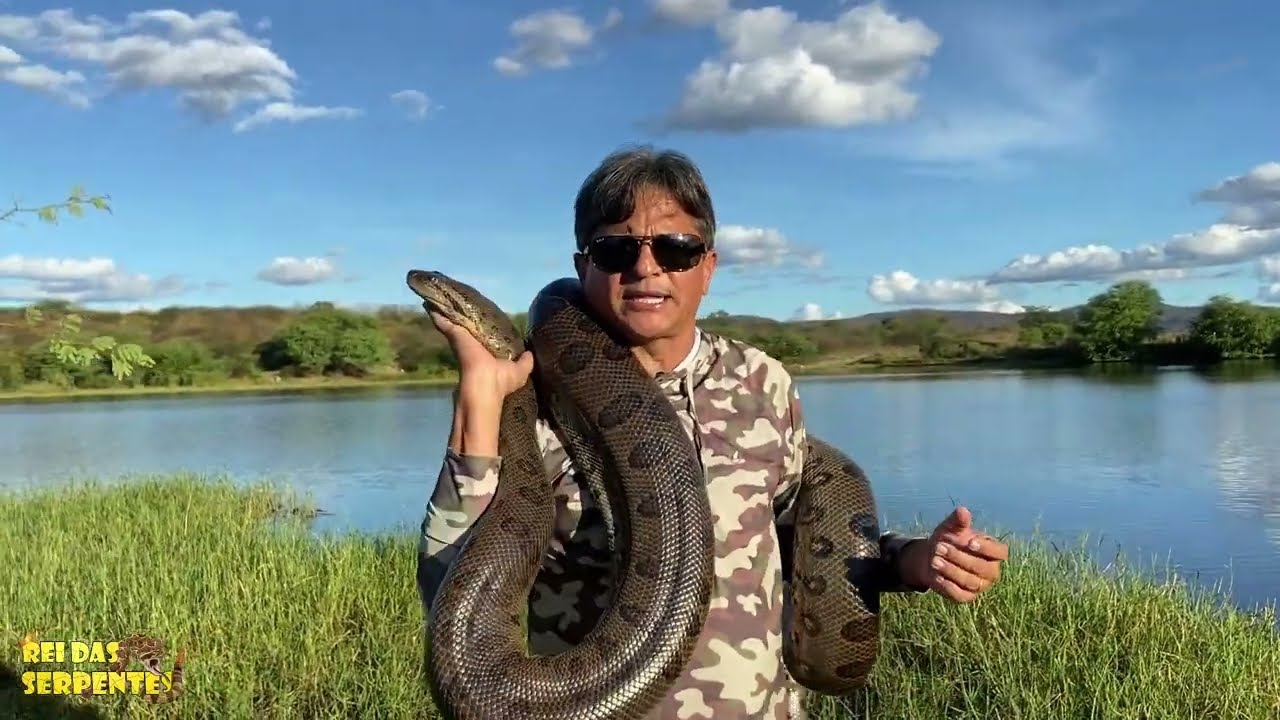
In Serra Talhada, A Video Creator Says It’s Not Necessary To Kill Snakes To Avoid Bites And Divides Opinions While Handling Venomous Snakes.
Haroldo Bauer, known as King of Snakes, became a topic of conversation after appearing in videos hunting and handling venomous snakes in the Sertão of Pernambuco.
The recordings attract fans from all over Brazil and show risky scenes with aggressive snakes. At the same time, the content provokes a strong reaction from biologists, who express indignation with this type of practice.
The central point of what he advocates is straightforward: it’s not necessary to kill snakes to protect oneself from a bite. Still, the way he acts raises a debate about safety and impact on wildlife.
-
Helicopter Drops 180 Tons of Sand and Gravel on Swedish River to Revive Ecosystem Damaged by Decades of Exploitation

-
Brazilian Company Launches Retro Smartphone with 48 MP Camera, T9 Keyboard, and Privacy Features for Social Media-Free Use

-
Self-Taught Chinese Farmer Builds 5-Ton Submarine from Scrap, Launches It in Anhui River
-
Invisible Induction Technology Enables Wireless Power for Blenders, Coffee Makers, and Air Fryers, Reducing Countertop Cables





Videos Featuring The Capture Of Venomous Snakes In The Sertão Draw Attention And Generate Controversy
In Serra Talhada, in the Pernambucan Sertão, Haroldo appears online in situations of snake capture and handling, in scenes reminiscent of a snake charmer.
The videos show close contact with animals described as venomous and aggressive, which broadens the scope and also the controversy surrounding the character.
The repercussion grew with the combination of curiosity, danger, and the idea that it is possible to coexist with snakes without resorting to the elimination of the animal.
Who Is Haroldo Bauer And Why Did He Become A Reference On Social Media
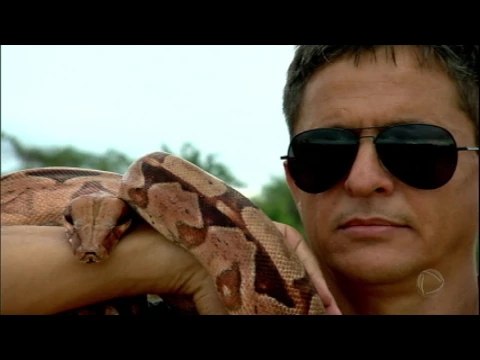

Haroldo Bauer presents himself as someone dedicated to conservation and safe snake handling, in addition to producing educational content about reptiles.
He gathers a growing audience and has become known for a practical approach, seeking to dismystify myths about snakes and reinforce the need for preservation.
His presence spreads mainly across platforms like YouTube and Instagram, where he publishes videos featuring direct interactions with snakes found in the country.
How He Describes His Own Goal With The Videos
The message Haroldo repeats is that there is an alternative to fear: not killing snakes as an automatic form of prevention.
The idea is to treat encounters with snakes as something that can be understood and avoided with knowledge, without the response always being to eliminate the animal.
This positioning attracts people interested in wildlife and also those who want to learn more about real risks and basic care.
Why The Content Provokes Outrage Among Some Biologists
Despite the popularity, the actions shown in the videos generate criticism from furious biologists who consider it an encouragement of dangerous behaviors.
The problem is not just the spectacle. The discussion also involves the impact of this type of exposure on people’s relationship with wildlife.
Tension rises because the audience may interpret handling as something simple, when it involves species described as venomous and with aggressive behavior.
What He Claims To Do Practically With The Snakes
Haroldo appears hunting and handling snakes, including those with a reputation for high risk. The scenes often highlight close proximity and direct control of the animal.
The content gains strength by showing situations that deviate from the daily lives of most people and by involving capture in a desert environment.
This combination of adventure and contact with wildlife is what sustains his image as King of Snakes among followers.
Practices With Venomous Snakes Continue To Divide Opinions Among Fans And Experts
Popularity tends to continue as long as the videos keep circulating and attracting curiosity, especially for involving venomous snakes.
At the same time, the pressure from critical experts increases the debate about the limits between education and exposure to risk, both for the audience and for the animals.
This type of content also reinforces a recurring question: to what extent does showing handling help raise awareness, and when does it begin to encourage reckless behavior?
Haroldo Bauer, the King of Snakes, gained national prominence by publishing videos in Serra Talhada featuring the capture and handling of venomous snakes.
He argues that it’s unnecessary to kill snakes to avoid bites, but the way he puts this into practice divides opinions and keeps the topic alive among fans and critics.
Today, Haroldo Bauer remains active on social media and maintains the channel KING OF SNAKES HAROLDO BAUER on YouTube, which has 2.82M subscribers and recent videos published on the platform.
He has also participated in video interviews, including a podcast published a few weeks ago, which indicates a continuous presence and growing audience in the animal and snake segment.
The content continues to spark curiosity and divergent opinions, which opens space for public participation.
Do you agree with how the handling of venomous snakes is depicted, or do you believe this type of practice poses unnecessary risks? Leave your comment, share your views on preservation and safety, and join the debate that continues to energize social media.





-

-

2 people reacted to this.