Portuguese
  Spanish


With 13,000 km of extension, the cargo train between China and Europe crosses seven countries, facing track changes, extreme climates, and helping to keep global supply chains active.
A cargo train that travels 13,000 km from Yiwu, a trading city in eastern China, to Madrid, Spain, continues to be one of the largest logistical feats in operation in the world. The route is the longest on the planet made by cargo train without direct interruptions, linking two economic poles through tracks that traverse deserts, plains, forests, and urban centers from Central Asia to Western Europe.
The journey takes about 16 days, connecting two continents in a single train trip, with technical and logistical stops along the way, while maintaining a constant and regular flow of goods. This train that travels 13,000 km is a key piece in the commercial integration of the Belt and Road Initiative, proposed by China to strengthen intercontinental trade.
A Journey Through Seven Countries, Between Time Zones, Climates, and Languages
During the journey, the cargo train crosses seven countries: China, Kazakhstan, Russia, Belarus, Poland, Germany, and Spain. At each border, different conditions are faced—from the harsh Siberian winter to the more temperate climate of inland Europe—passing through high altitudes, semi-arid areas, and dense urban sections.
-
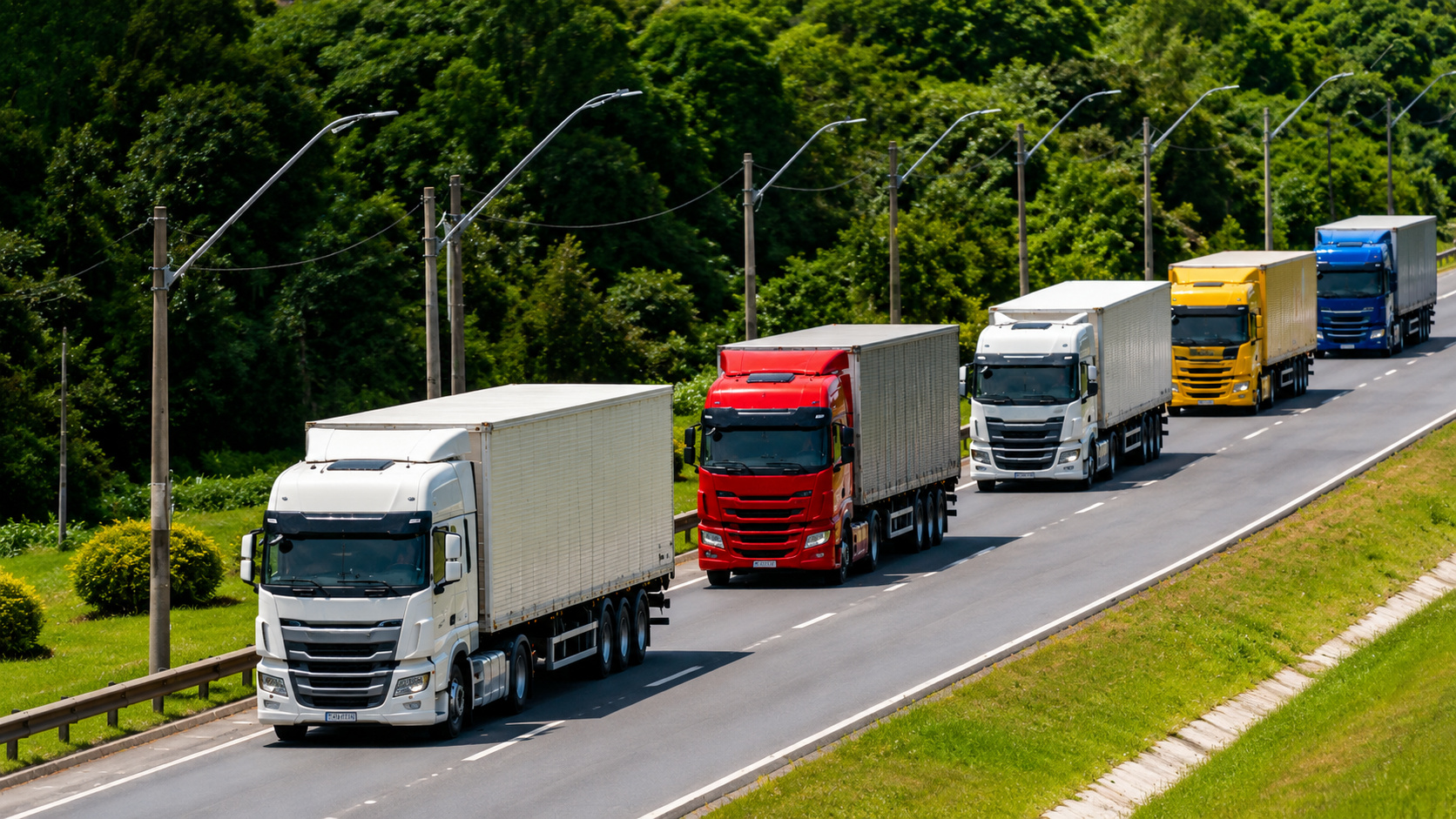
New Smart Radar Begins Issuing Fines to Solo Drivers in Carpool Lanes, Uses Cameras to Count Occupants, Changing Traffic Enforcement Rules on Busy European Roads

-
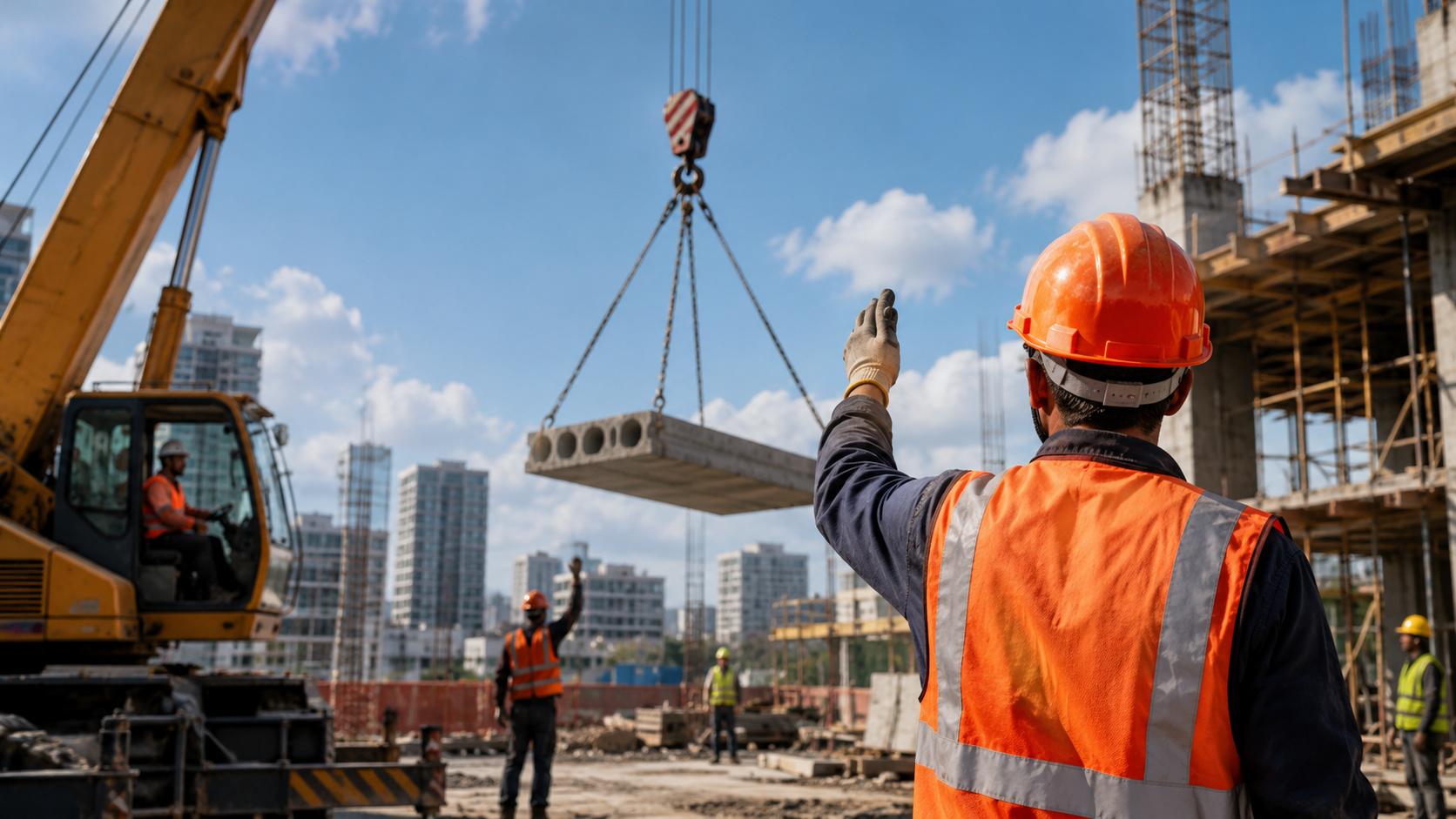
Why can the crane operator only obey the correct signalman on the construction site: among dozens of workers, a hand raised by the wrong person can confuse the maneuver and turn a load of tons into an immediate risk.
-
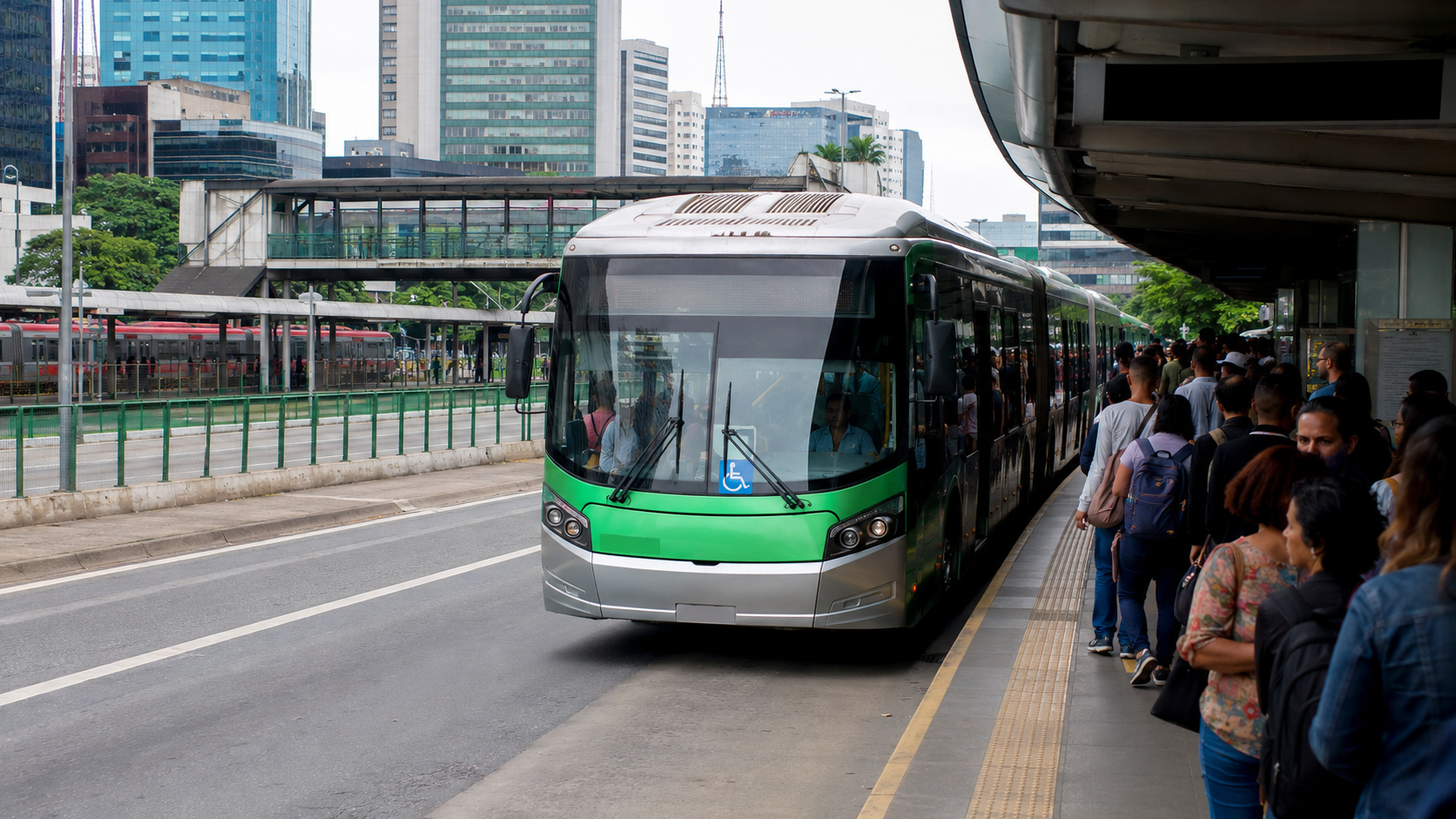
What changes with the new public transportation rules that can reduce pressure on fares and pave the way for zero fare in Brazil?
-
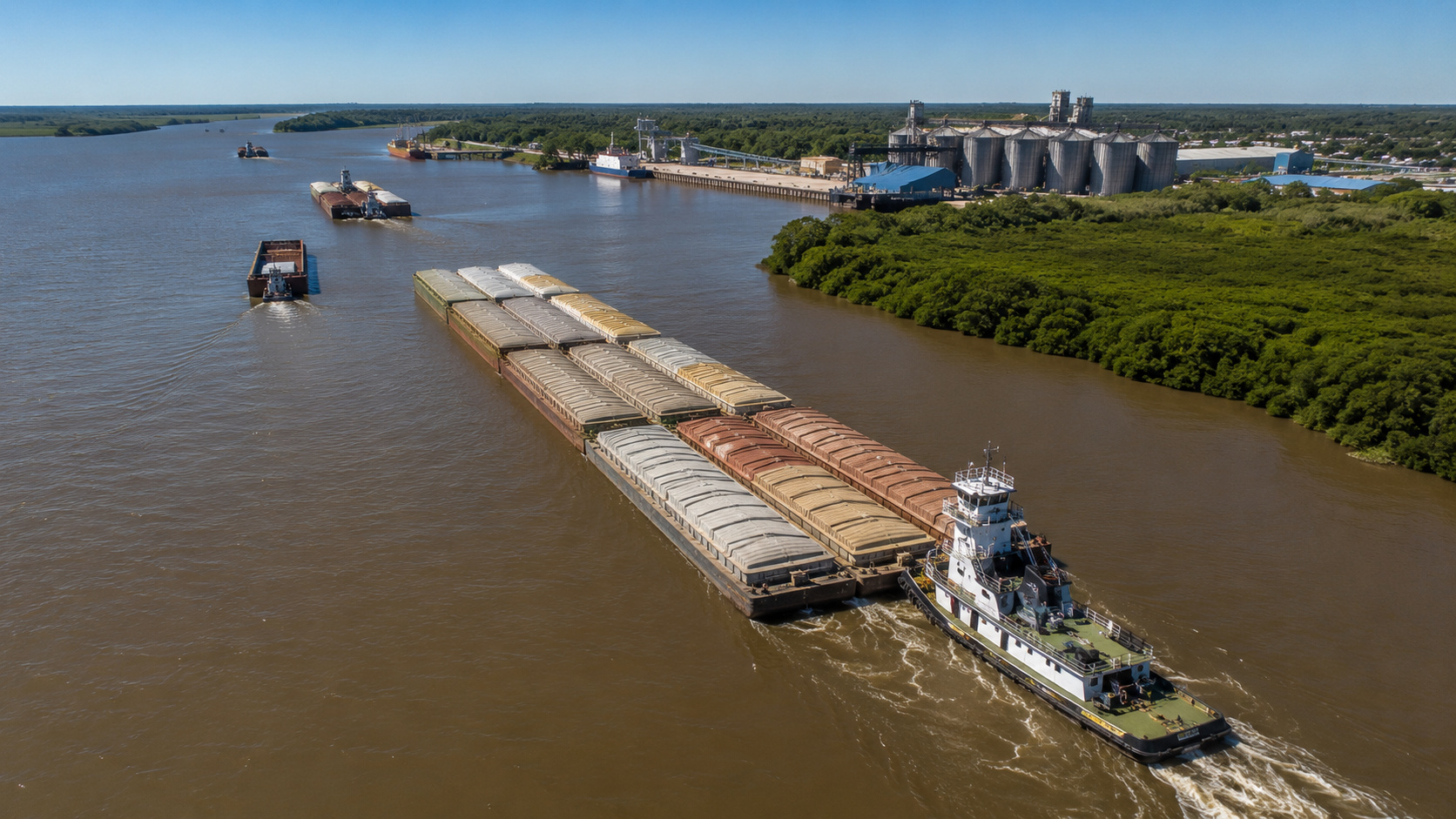
Argentina confirms Belgian giant to lead strategic Paraná River waterway and promises to reduce logistical costs on one of South America’s most important routes



The itinerary is operated with precision to avoid interruptions, respecting customs, logistical, and railway regulations specific to each nation. The complexity increases due to different gauge sizes (the width of the tracks), languages, time zones, and operational protocols between countries.
What Does the 13,000 km Cargo Train Transport?
The most common cargo transported by the 13,000 km cargo train varies depending on the direction of travel. When leaving China towards Europe, the train usually carries electronics, appliances, automotive parts, toys, and textiles—high-value and time-sensitive items.
On the return trip from Europe to China, the wagon typically returns loaded with food, wine, cosmetics, industrial equipment, and pharmaceutical products. Since the trip is faster than maritime transport and cheaper than air transport, it becomes an efficient alternative for companies that need to meet strict delivery deadlines.
According to data from Xinhua, more than 11 million containers have been transported via this route since its inauguration in 2014, moving more than US$ 420 billion in goods.
Logistical Challenges on an Intercontinental Route
Operating a train that crosses nearly a third of the Earth’s surface poses unique logistical challenges. The diversity of railway rules, time zones, and customs regulations requires planning and coordination among international authorities.
Furthermore, geopolitics also influences the route. Trade tensions, changes in tariffs, international sanctions, and even regional conflicts can alter itineraries or cause delays. However, even during global logistical crises—such as the pandemic or maritime blockades in the Red Sea—the train continued operating, helping to keep supply chains active.
How Do the Track and Locomotive Changes Work?
One of the main obstacles for the 13,000 km cargo train is the difference between the railway systems of the countries it crosses. China, Russia, and CIS (Commonwealth of Independent States) countries use broad gauge, while Poland, Germany, and Spain operate with standard European gauge.
To address this, wagon exchanges or axle adjustments are carried out at strategic points along the route, especially at the borders between Belarus and Poland. In these areas, specialized facilities can lift the wagons and adjust the rolling stock to the new track standard.
Locomotive exchanges are also made along the way, respecting the traction system, conductor languages, and local regulations. The operation, although complex, is carried out smoothly thanks to a coordinated model of international logistics.
Effects on International Trade
The emergence and consolidation of this railway route has significantly expanded the possibilities for trade between China and Europe. Before the train, the majority of products relied on maritime transport, which takes between 30 and 45 days to complete the same journey.
With the cargo train, products reach Europe in up to 16 days, halving the delivery time. This agility benefits sectors that need quick market responses, such as fashion, electronics, healthcare, and automotive parts.
Another positive impact is the reduction of the carbon footprint. While still less sustainable than maritime routes in absolute volume, the train pollutes less than air transport and helps to unclog the main European ports, which often face overload.
The Train Continues Rolling — and Expanding
By 2025, the train continues operating with hundreds of weekly trips, with some extensions reaching France and even the United Kingdom, through road-rail connections. China is also studying expanding the network to include branches with destinations in the Middle East and Central Asia, further strengthening the logistical flows of the Belt and Road Initiative.
The longevity and efficiency of the train that travels 13,000 km demonstrate how international railway infrastructures can transform global trade, connecting economies more swiftly, securely, and coordinated.