






 Portuguese
  Spanish


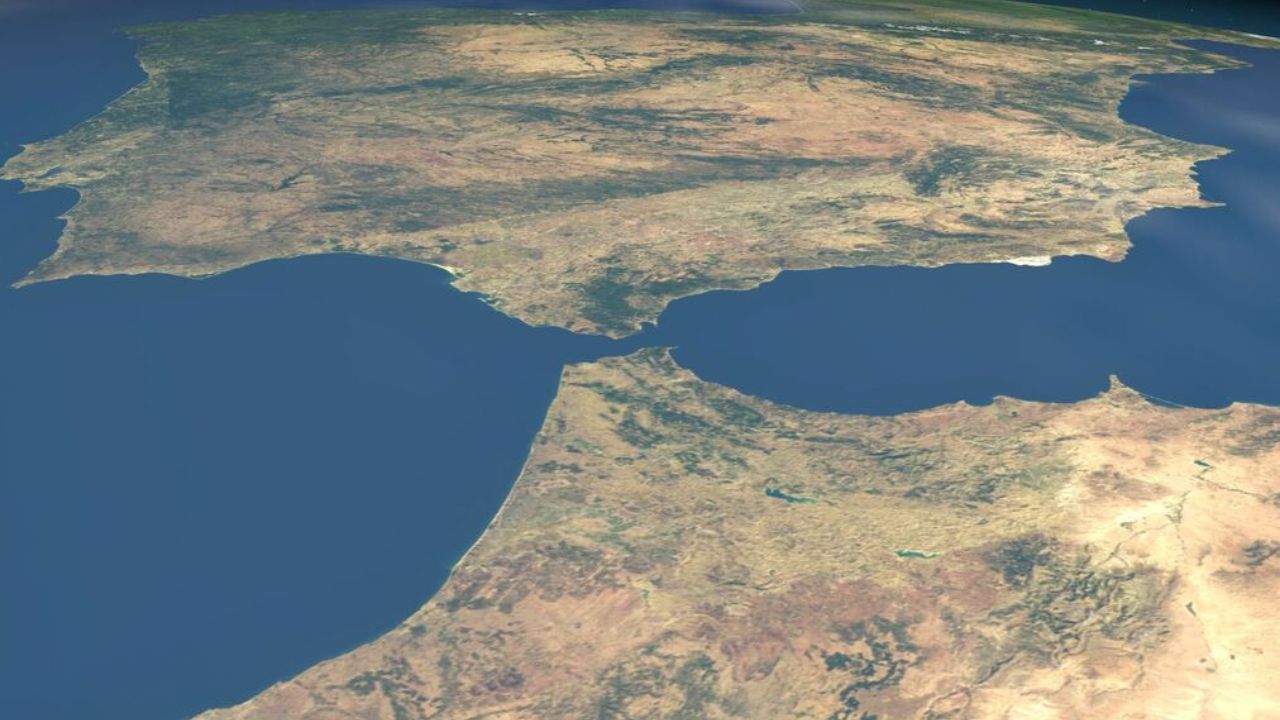


New Study Reveals That The Geological Conditions In The Strait Of Gibraltar Are Much More Complicated Than Previously Thought, Making Drilling A Real Puzzle For Engineers. The Project, Which Promised To Revolutionize The Connection Between The Continents With A 38-Kilometer Tunnel, May Face Delays Of Up To 10 Years, Frustrating The Expectation Of Completion Before The 2030 World Cup.
The underwater tunnel that would connect Africa to Europe, one of the boldest projects in modern engineering, has just faced another obstacle. The idea of linking Morocco to Spain through a 38-kilometer passage under the Strait of Gibraltar seemed to be finally taking shape, but unexpected geological difficulties may push its completion to 2040.
This long-held dream has gone through several phases, but it was only recently that studies began to make real progress. Now, however, researchers have discovered that the terrain is more treacherous than previously imagined, adding even more challenges to the already complicated execution of the project.
A Century-Old Dream Of Connection Between Europe And Africa
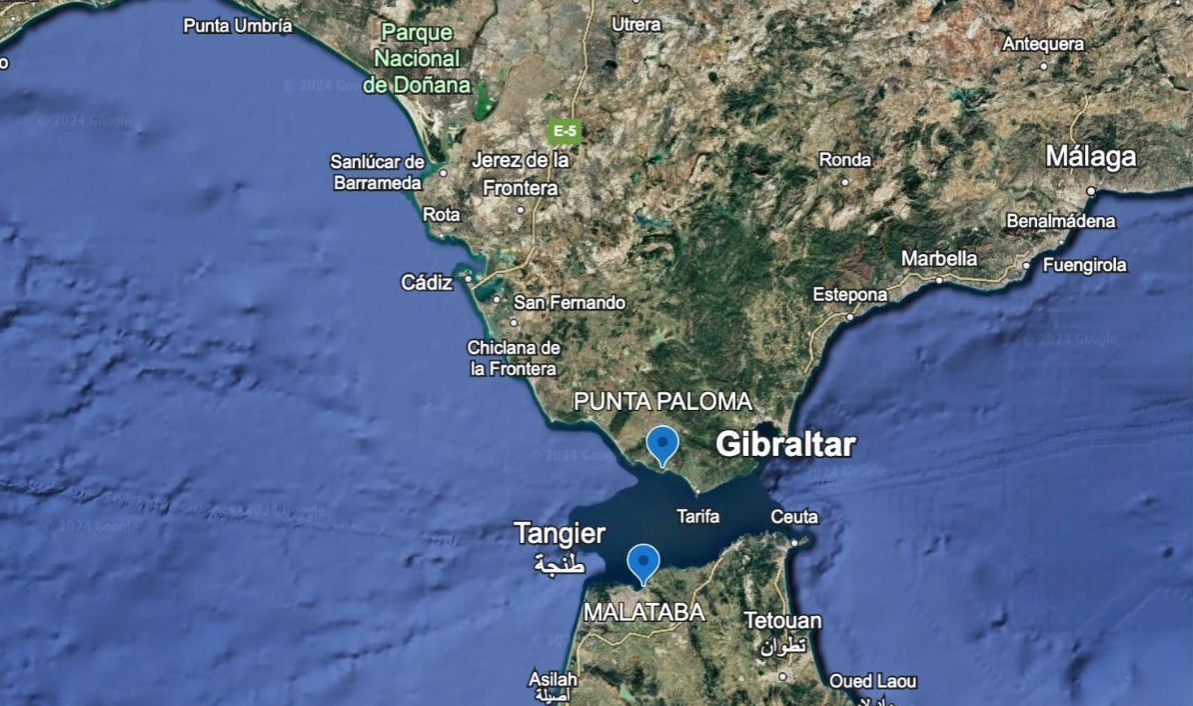
The desire to create a link between Spain and Morocco is not new. Since 1869, engineers and visionaries have proposed solutions to shorten this distance. First, they considered bridges, then railway tunnels. It was only in the 1980s that the two countries signed a formal agreement to seriously study the feasibility of this project.
-
City Hall spends almost R$ 2 million on a wooden bridge only 2.5 meters wide to prevent the isolation of 5,000 people, but information about lifespan, load, and maintenance does not appear in public disclosures.

-
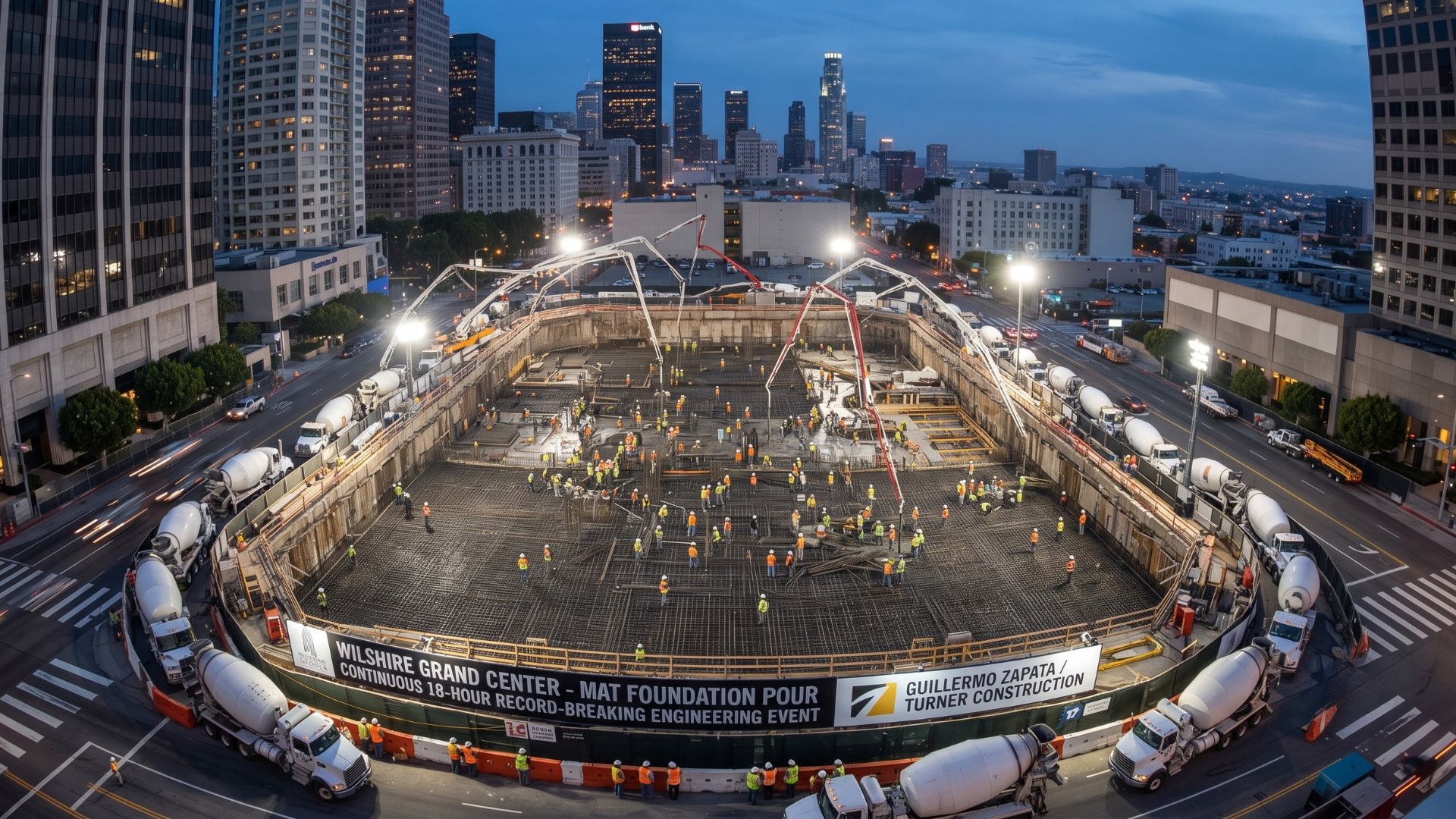
More than 2,100 trucks transported 16,200 cubic meters of concrete without interruption to create the foundation of the tallest skyscraper in the western United States and break a world record.

-
The man who started in construction with his own house founded a company in 1957, went through a banking crisis in 1987, and ended up connected to 16,500 houses in Houston.

-
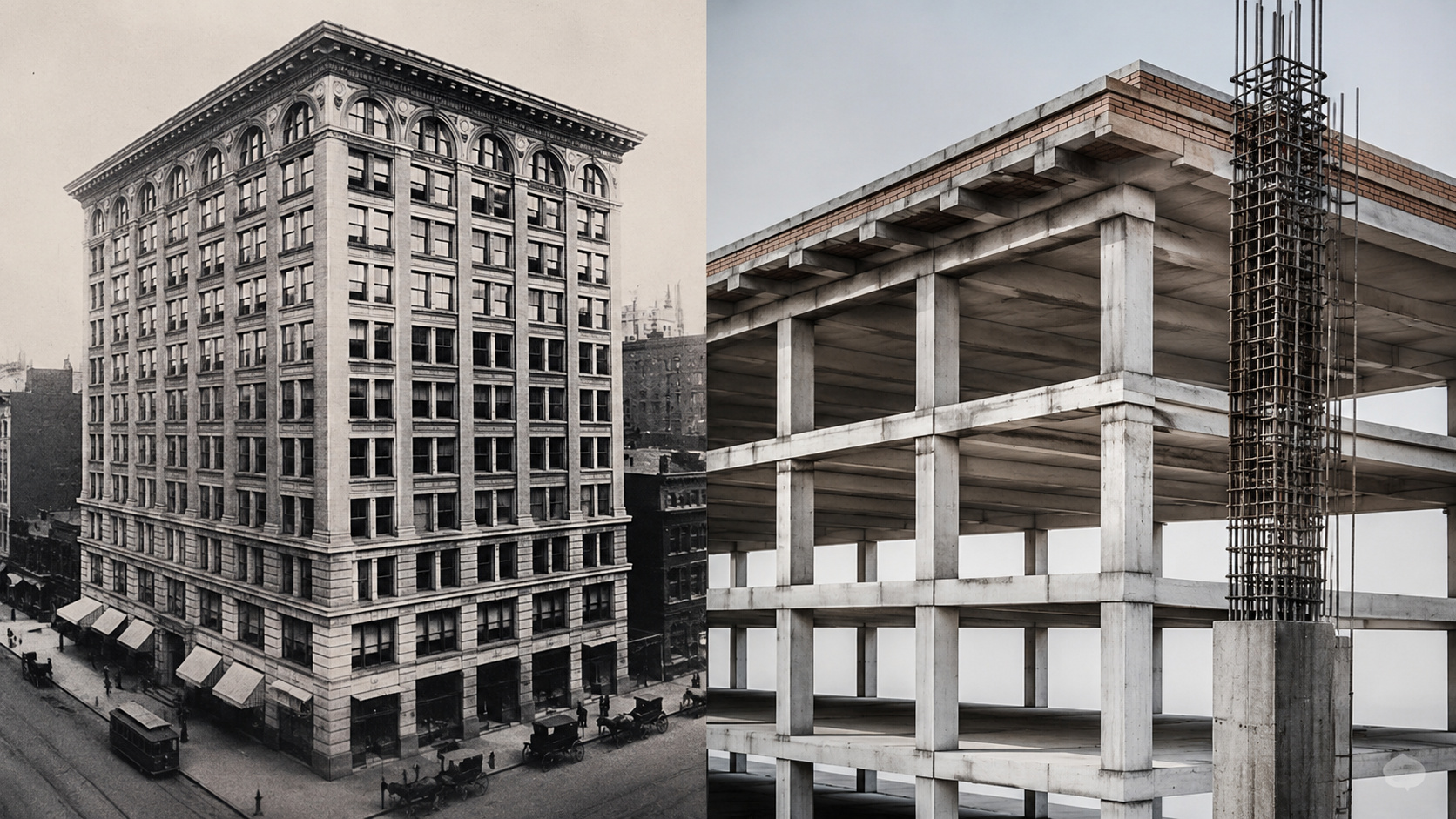
Builders challenged experts, erected a 16-story building using only reinforced concrete when the known limit was six floors, and proved that skyscrapers would never be the same again.


The current plan relies on an underwater tunnel, which would plunge up to 475 meters below sea level and connect Punta Paloma, in Spain, to Malabata, in Morocco.
Crossing the Strait of Gibraltar is no small feat. The region has unstable soil and maritime currents that do not make life easy for anyone. To avoid unpleasant surprises, seabed seismometers were rented for US$496,709.43 to study the behavior of the soil and determine the best strategy for drilling.
The New Obstacle That May Delay Construction
The most optimistic expected the tunnel to be ready by the 2030 World Cup, an event that Spain, Morocco, and Portugal will co-host. However, as not everything goes as planned, recent studies indicate that the Camarinal Sill, a shallow passage between the Iberian Peninsula and Africa, has much more complicated soil than experts predicted.
The result? Drilling may become a real nightmare, requiring more time, more money, and more technology to be completed. Consequently, the project may only be finished by 2040.
The news came as a cold shower to the project enthusiasts. Besides the frustration with the delay, there is an even bigger problem: costs may soar. If drilling turns out to be as complicated as they say, it will be necessary to invest in more sophisticated engineering solutions, which means more expenses and, of course, more time.
The Minister of Transport of Spain, Oscar Puente, acknowledged that the situation is delicate, but he avoided providing details on what the next steps to overcome this problem will be.
The Future Of The Tunnel And The Next Steps
To try to salvage the project, the Spanish government called in Herrenknecht Iberia, a company specialized in underground excavation, to analyze the feasibility of the work. Some possibilities are being considered, such as slightly changing the route to avoid the more unstable area or reinforcing the soil to allow for safer drilling.
Despite the obstacles, the tunnel between Spain and Morocco could transform the economy and tourism in the region. Imagine the ease of transporting goods and the increase in the movement of people between the two continents? This project has the potential to be one of the main trade corridors between Europe and Africa, boosting development on both sides.







Que ]roblema no solo que nada!
A realização desta obra potencializará a imigração para o continente europeu, daí os governantes estarem receosos da obra neste momento.
Falem a verdade!
Mas grade mentira