






 Portuguese
  Spanish


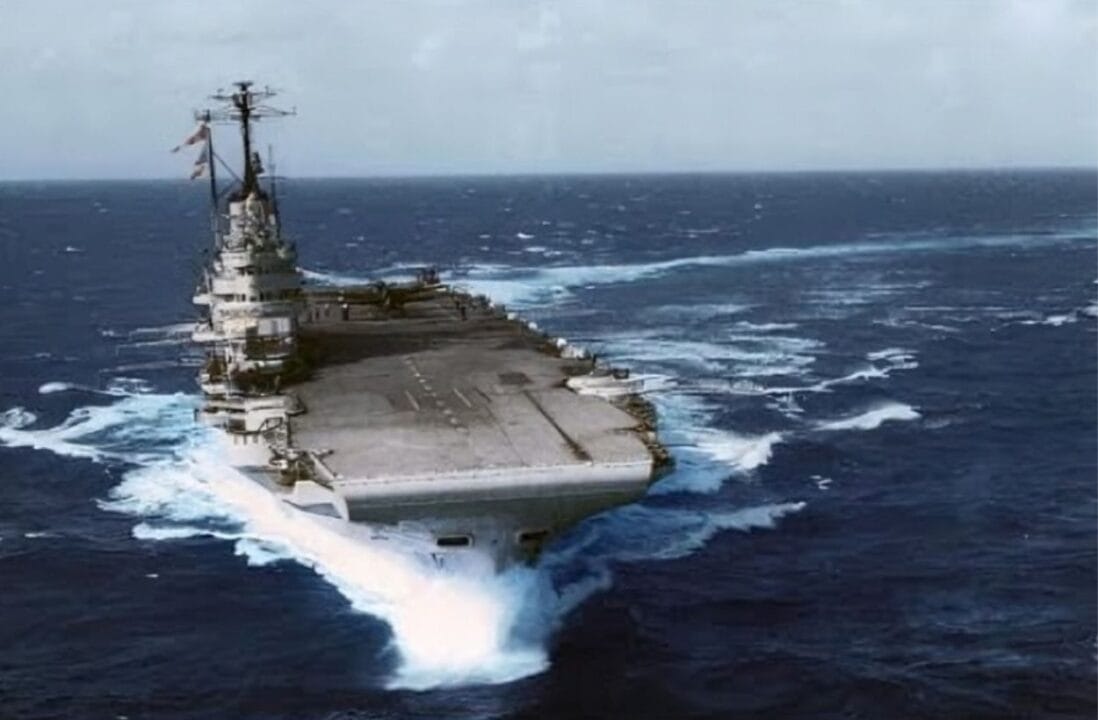

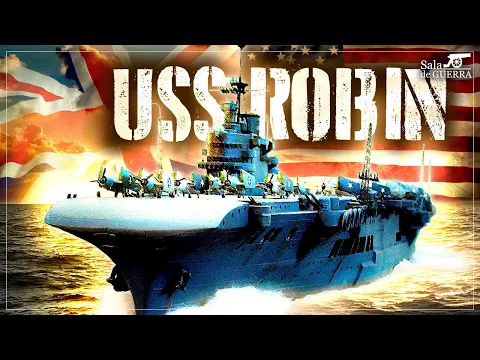
The True Story of USS Robin, an Aircraft Carrier of the United States Navy That Never Officially Existed, the HMS Victorious of the Royal Navy, Disguised and Integrated into the American Forces in the Pacific During World War II, Played a Vital Role in Allied Operations, Masking Its Identity in a Covert Strategic Partnership Between the United Kingdom and the USA.
During World War II, the name USS Robin concealed a well-guarded secret in the archives of the United States Navy. This “aircraft carrier that never existed” was, in fact, the HMS Victorious of the Royal Navy. After the attack on Pearl Harbor and the subsequent destruction of the American fleet, the USA faced significant challenges in the Pacific. The loss of the USS Lexington and damage to the USS Yorktown in the Battle of the Coral Sea revealed the precariousness of the American situation.
The Battle of Midway, despite being a triumph, exacerbated Admiral Chester Nimitz’s concerns about the carrier capacity of the American fleet, now halved. The sinking of the USS Wasp worsened the shortage of American aircraft carriers. In response, the idea of “borrowing” a carrier from the Royal Navy emerged, culminating in the deployment of the HMS Victorious to the Pacific.
Aircraft Carrier ‘USS Robin’

After Operation Torch, the Victorious, renamed USS Robin, was quickly prepared for war in the Pacific. The vessel underwent modifications in Norfolk, including the installation of American communication equipment and an enhancement of its anti-aircraft armament. The aircraft carrier, now operating with American planes and crew but under British flag, was essential in operations in the South Pacific, conducting over 600 fighter patrol missions and protecting landings in New Georgia.
-
France Revamps 530 Social Housing Units with Large Balconies and Glass Facades Without Demolishing Existing Buildings

-
10-Year-Old Max Makes History with Paris Fashion Show, Launches Own Brand, Hires Staff, and Sets World Record as Youngest Runway Designer

-
Bolivian Female Construction Workers Form Association to Combat Discrimination and 38% Pay Gap in the Industry
-
Near Amsterdam, residents buy land and discover they must also build streets, manage drainage, handle waste, and grow food on half their plot.




After a significant period of service and with the commissioning of Essex-class carriers, the USS Robin was returned to British control, resuming its original name, HMS Victorious. The warship continued to serve in the war, participating in attacks against the German battleship Tirpitz and operations in the Indian Ocean, before returning to the Pacific for the end of the war.
How Many Aircraft Carriers Did the United States and the United Kingdom Have in World War II?
During World War II, carrier capacity was a critical component of naval strategy for both the United States and the United Kingdom. The United States had a total of 43 aircraft carriers, which varied in types and classes. This fleet included everything from the pioneering USS Langley (CV-1) to the advanced ships of the Essex Class, as well as escort carriers that played essential roles in various operations across the Pacific and Atlantic.
The United Kingdom, in turn, operated 14 aircraft carriers during the conflict. These ships, including the HMS Ark Royal, HMS Courageous, and HMS Victorious, were fundamental to British naval and air operations, making their presence felt on various battlefronts and assisting in Allied operations across multiple theaters of war.
The collaboration between the two naval powers was evident with the operation of the HMS Victorious under the name USS Robin. This strategic alliance was vital for maintaining the naval presence and effectiveness of the USA in the Pacific during a period when the American carrier fleet was significantly diminished due to Japanese attacks and losses in crucial battles. The loan of the Victorious, or USS Robin, not only reinforced the American fleet but also demonstrated the importance of cooperation and integration between allied navies during the war.
Naval History in World War II
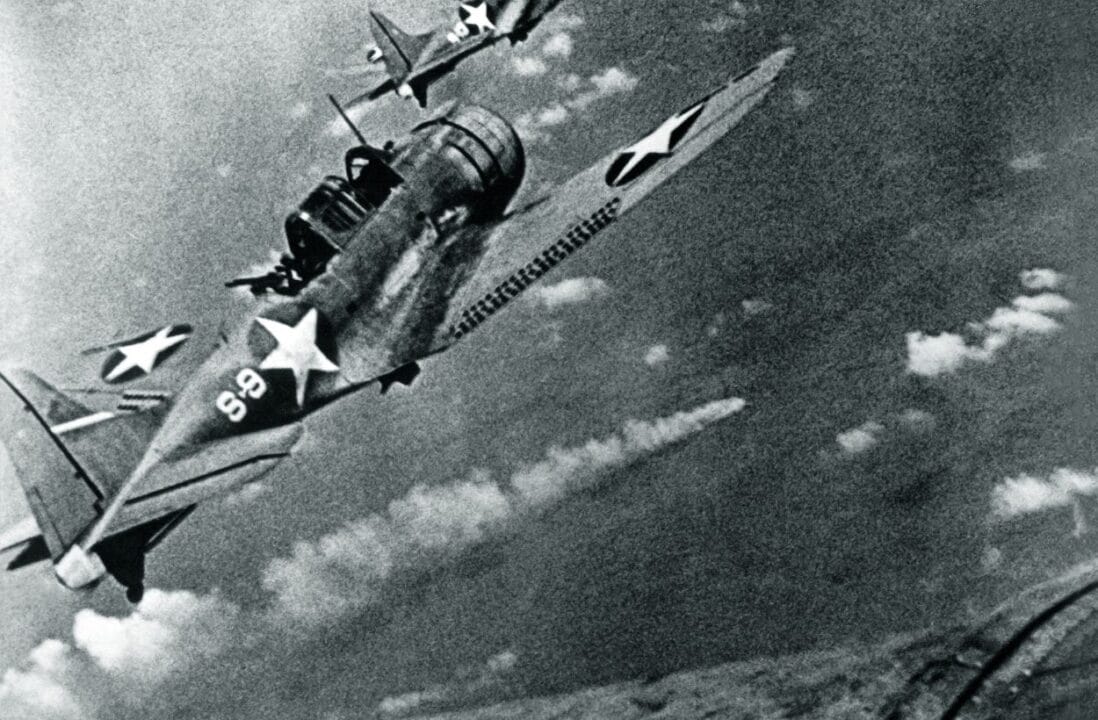
The naval history of World War II, especially in the Pacific theater, reveals the transition of naval strategies and the rise of aircraft carriers as decisive elements in maritime combat. The attack on Pearl Harbor in 1941 highlighted the vulnerability of anchored battleships and underscored the strategic importance of aircraft carriers, which were absent during the attack and, therefore, were not damaged.
This event marked a fundamental shift in naval doctrine, with the United States and its allies adopting aircraft carriers as the backbone of their fleets. This change was reflected in the Battle of Midway in June 1942, considered the turning point of the War in the Pacific. In this battle, the U.S. Navy succeeded in sinking four Japanese aircraft carriers, significantly altering the naval balance of power in favor of the Allies.
Subsequent campaigns, such as the “island hopping” strategy, allowed the Allies to advance toward Japan, capturing strategic islands and using them as bases for air attacks. This approach reduced the need for direct confrontations with fortified Japanese forces while maximizing the use of air superiority and naval power.
The expansion of the U.S. fleet during the war was remarkable, culminating in one of the largest naval forces ever assembled. By the end of the war, the U.S. Navy had not only neutralized the Japanese threat in the Pacific but had also emerged as the world’s primary naval power.
The USS Robin, or HMS Victorious, symbolizes this strategic transition and the international collaboration between the United States and the United Kingdom. The history of the USS Robin integrates into this larger context of naval evolution, highlighting the importance of innovation, adaptation, and alliance among nations to face and overcome challenges during one of the most tumultuous periods in modern history.








