






 Portuguese
  Spanish
  6 min of reading
  0 comments


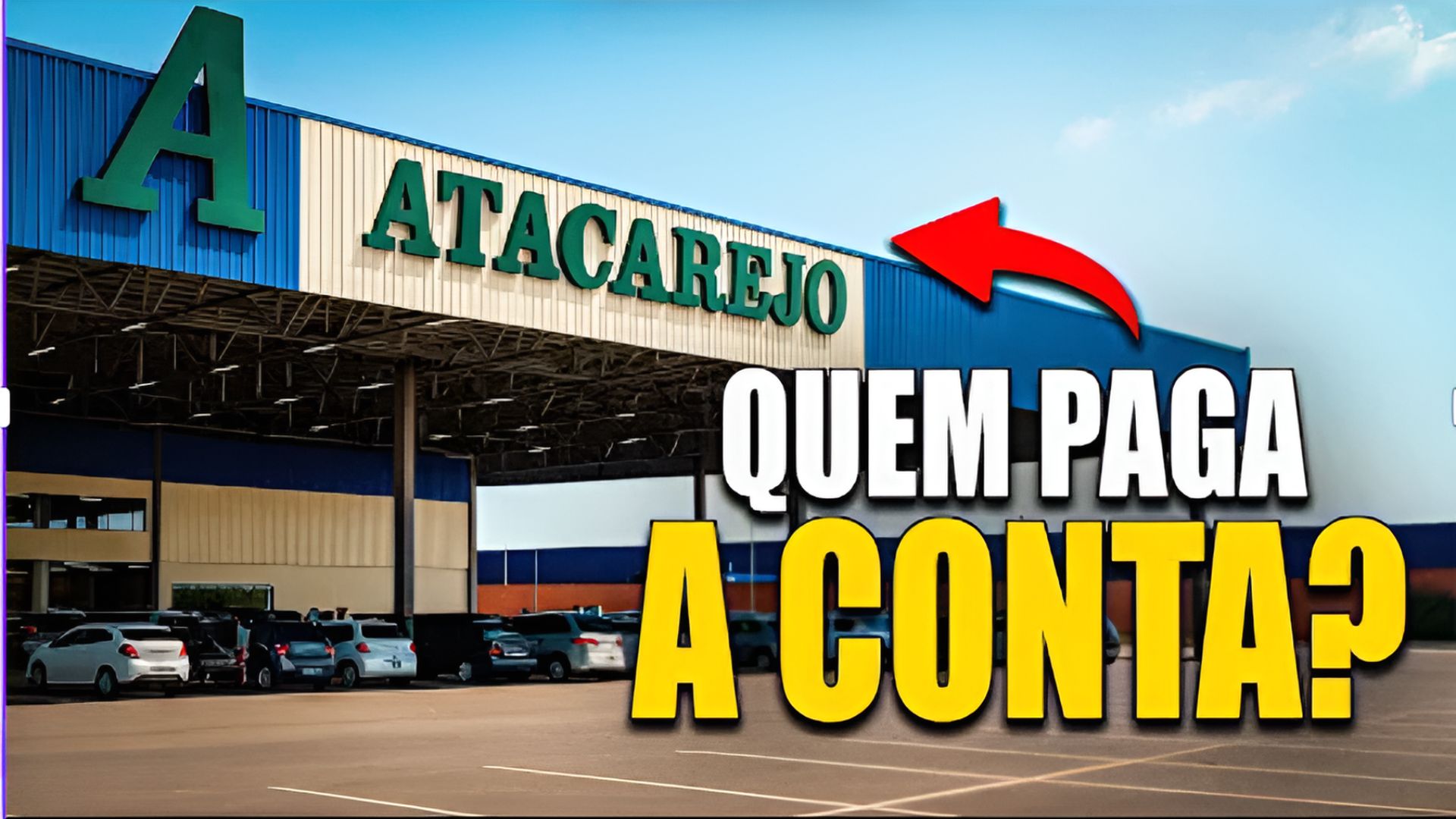
The Accelerated Growth of Cash and Carry Has Transformed National Retail, Generating Little Discussed Economic and Urban Impacts. Discover How This Phenomenon Changes Competition, Taxes, and Daily Life in Brazilian Cities.
The advancement of cash and carry has been reshaping Brazilian retail and transforming the landscape of cities over the last few decades.
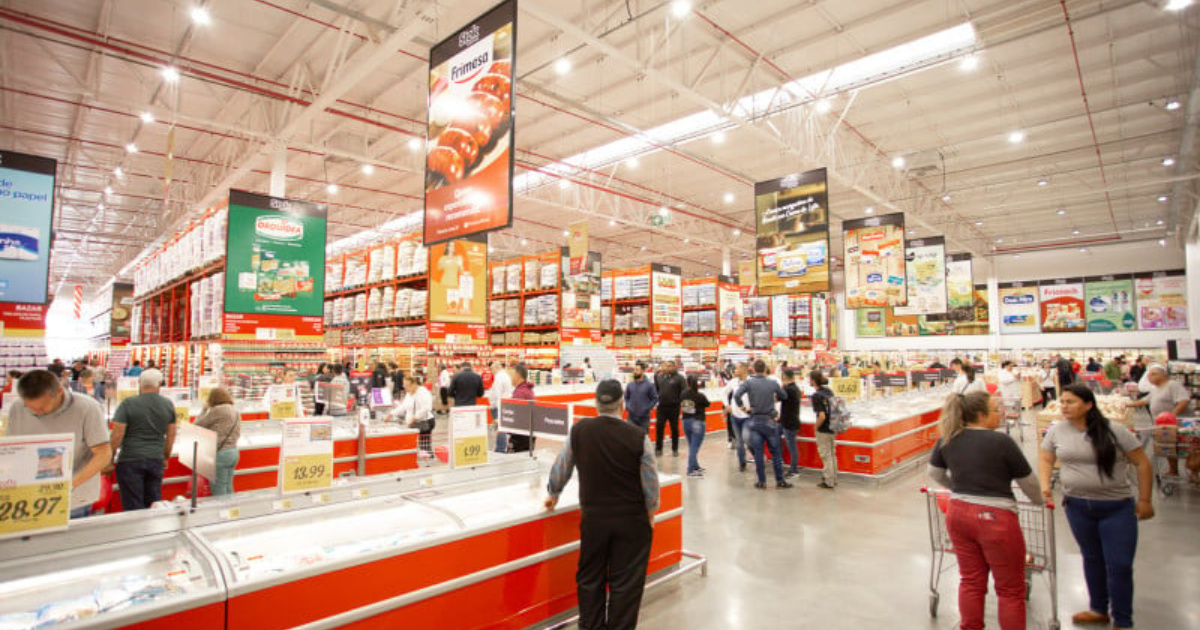
Imposing structures with large aisles and goods stacked on pallets have become a symbol of a new way to consume in the country.
The main promise of these enterprises is clear: to provide more accessible prices for the final consumer, as well as create jobs and stimulate the local economy.
-
Brazilian Joins Homeownership Consortium, Faces Decade of Dual Payments Totaling $141,000, Surpassing Traditional Mortgage

-
Land Rover to Halt Production in July, Putting 371 Jobs at Risk, as Chinese Automaker Negotiates to Convert Factory to 100,000 Vehicles Annually by 2027

-
Mexican Pest Threatens U.S. Cattle Herds at Historic Lows, Potentially Boosting Brazilian Beef Exports as Burger Prices Soar

-
Brazilian Freight Bill Progresses in Congress with $5,000 Minimum Wage, 70% Advance Payment, and Fines Up to $1 Million, as Agriculture and Industry Warn of Rising Costs and Legal Uncertainty


However, the accelerated expansion of this model raises important questions about the real impact on society, especially when analyzing the tax incentives involved, the competition with traditional commerce, and the urban reorganization required to accommodate these mega stores.
What Is Cash and Carry and Why Is It Growing So Much?
According to information originally presented on the YouTube channel Elementar, the cash and carry format – a combination of wholesale and retail – gained strength mainly after the economic crisis of 2014, when the purchasing power of the population declined and consumption needed to be reconsidered.
According to data presented in the video, more than 43 million Brazilian households already regularly shop at cash and carry, a number that demonstrates the reach of this modality.
In just the last five years, about 1,000 new stores have opened nationwide, reinforcing the tendency for rapid growth, as highlighted by the channel’s author.
The Appeal of Low Prices and Changes in Consumption
The main appeal lies in competitive prices.
To enable this economy, the model relies on simplified structures: absence of services such as bakery, butcher, or fresh produce in most stores, few employees, and a limited range of payment options.
According to the cited channel, initially, it was common to accept only cash and debit, but in recent years, the sector also embraced credit, bringing the consumer experience closer to that experienced in traditional supermarkets.
The term “hyper cash and carry” is already used to describe units that, while maintaining the proposal of low prices and bulk sales, have started to offer air conditioning, organized spaces, and additional services, raising operational costs and, in some cases, passing some of these costs on to the customer.
Investment from Large Chains and Change in Customer Profile
The growth of the sector has attracted significant investments from large corporate groups.
The Assaí Atacadista surpassed the mark of R$ 20 billion in quarterly sales in 2025, while the Grupo Mateus recorded growth of over 20% in just one quarter.
As highlighted on the channel Elementar, the largest chains are concentrating their units outside central regions, where access is facilitated for those who own cars.
This means that classes A and B, traditionally associated with premium supermarkets, also frequent cash and carry, alongside consumers from classes C, D, and E, who increased their participation from 51% in 2022 to over 63% in 2024, according to a survey by NielsenIQ.
Competition, Tax Incentives, and Impact on Traditional Commerce
Despite the advancement of cash and carry being frequently associated with the idea of progress, its impacts go beyond the immediate benefit to the consumer.
Small businesses, neighborhood grocery stores, and medium-sized supermarkets have been losing ground and, in many cases, shutting down due to unequal competition.
The phenomenon is reinforced by a tax issue: in several states, these establishments operate under special taxation regimes, with ICMS (Tax on Circulation of Goods and Services) reduced to as low as 1% on interstate transactions.
Traditional supermarkets, without access to the same benefits, face a disadvantage that reflects on their profitability and business survival.
Effects of Market Cannibalism in the Food Sector
Data from Varejo 360, a market monitoring company, indicates that, even with improvements in inflation and employment rates in São Paulo in 2023, the real revenue of supermarkets has decreased, directly impacted by competition with cash and carry.
This scenario of “market cannibalism” has led to store closures, reduction of jobs in traditional segments, and changes in the profile of Brazilian food retail.
According to the report presented on the channel Elementar, chains like Hirota and Dia have already announced the closure of units or even the sale of operations due to their inability to compete on the same terms.
Urban Changes and Costs for Cities
In addition to commercial disputes, cities are forced to adapt their infrastructure to accommodate these enterprises.
Wide roads, logistical access, enhanced lighting, and traffic adjustments are common requirements to house large cash and carry stores.
As analyzed on the channel, these adjustments, often funded by the public sector, result in increased municipal expenses, especially when stores are located in peripheral regions, historically lacking investments.
Even in consolidated neighborhoods, the intense flow of trucks and consumers can accelerate infrastructure deterioration, raising maintenance costs without any guarantee of a proportional return in revenue.
Tax Incentives: Distortions and Questions
The discussion about tax incentives is recurrent.
Experts like Bernard Appy from the Center for Fiscal Citizenship point out that tax benefits tend to distort the logic of distribution in the country, leading companies to choose the locations of their distribution centers based on the volume of incentives rather than on logistical efficiency.
For former congressman Alexis Fonteyne, this practice contributes to increased truck traffic seeking tax advantages, raising national costs and creating dependence on subsidies that may not be sustainable in the long run.
Jobs Created: Quantity and Quality Under Discussion
In terms of social impact, the narrative of job creation is frequently used to justify the expansion of cash and carry.
In Olinda (PE), for example, the inauguration of a store with 4,300 square meters generated 350 direct jobs.
However, according to the analysis presented on the channel Elementar, a large part of these positions is for operational roles, such as cashiers and stock clerks, with few opportunities for professional growth or relevant qualification.
This scenario highlights questions about the quality of the jobs offered, a topic that has drawn the attention of economists and public managers.
International Resistance and Risk of “White Elephants”
Internationally, similar experiences have already sparked resistance.
In France, the Carrefour Group faced strong opposition when trying to establish a cash and carry in Sevran, in the metropolitan area of Paris.
Local leaders argued that the low-cost project would threaten jobs, harm regional commerce, and compromise urban sustainability plans.
Another point of concern is the possibility of the model becoming saturated.
While Brazil is still in the phase of cash and carry expansion, examples from the United States indicate that large structures can become obsolete over time, generating the phenomenon of “white elephants” – commercial warehouses abandoned without new destinations that become a challenge for urban management.
Benefits and Dilemmas for Small Merchants
It is important to note that the cash and carry model has also brought benefits by facilitating the population’s access to food products at lower prices, especially during times of economic crisis.
Small merchants find in these establishments an alternative to supply their businesses at lower costs, aiding the survival of microenterprises amid the difficulties of the Brazilian economic scenario.

The Real Cost of Cash and Carry in Brazil
The central question remains: by only fiscally incentivizing one segment, municipalities and states end up reinforcing an unequal game in which few players concentrate advantages and most entrepreneurs must seek adaptation methods without the same support.
The large cash and carry chains already operate with economies of scale and advanced logistical systems, which gives them the margin to compete even without additional benefits.
While the debate about the role of tax incentives remains open, the movement of consumers towards cash and carry reveals much more than a simple search for savings.
It is a reflection of the distortions present in the national tax system, which still favors a few and imposes challenges on the majority.
Given this scenario, one question arises: to what extent do cash and carry truly represent progress, and what is the real cost of their expansion for Brazilian society?





-

-

3 people reacted to this.