Portuguese
  Spanish




The Project Was Authorized by ANTT and International Companies Show Interest in Participating
The National Land Transport Agency (ANTT) granted authorization to the TAV Brazil project, which is already in talks with contractors in an attempt to bring it to fruition. It involves a high-speed train between São Paulo and Rio de Janeiro, with construction costs estimated at R$ 50 billion. According to the president of TAV Brazil, Bernardo Figueiredo, the contacts are being made by the interested foreign companies themselves.
Bernardo Figueiredo was the director of ANTT and led the project for the first high-speed train during Luiz Inácio Lula da Silva’s second term in 2007. In 2012, he was appointed by then-president Dilma Rousseff to lead Etav, a state-owned entity that was supposed to tender the project and saw no progress whatsoever. After that, the executive was not reappointed to the agency.
The Project Aims to Offer Passengers Various Travel Options Between Rio de Janeiro and São Paulo
The first route of the high-speed train was developed during Dilma’s first government and anticipated the construction of up to eight stations along its 400 km route. Meanwhile, the new project only includes four possible stops: São Paulo, São José dos Campos, Volta Redonda, and Rio de Janeiro.
-
They exchanged the idea of a large house for a 35 m² warehouse, spent US$ 12,000 on the structure, and created a tiny house in Colorado with space to live and work.

-
While modern cities rely on pumps and electricity, in Iran, ancient tunnels carried water through the desert using only slope and gravity.
-
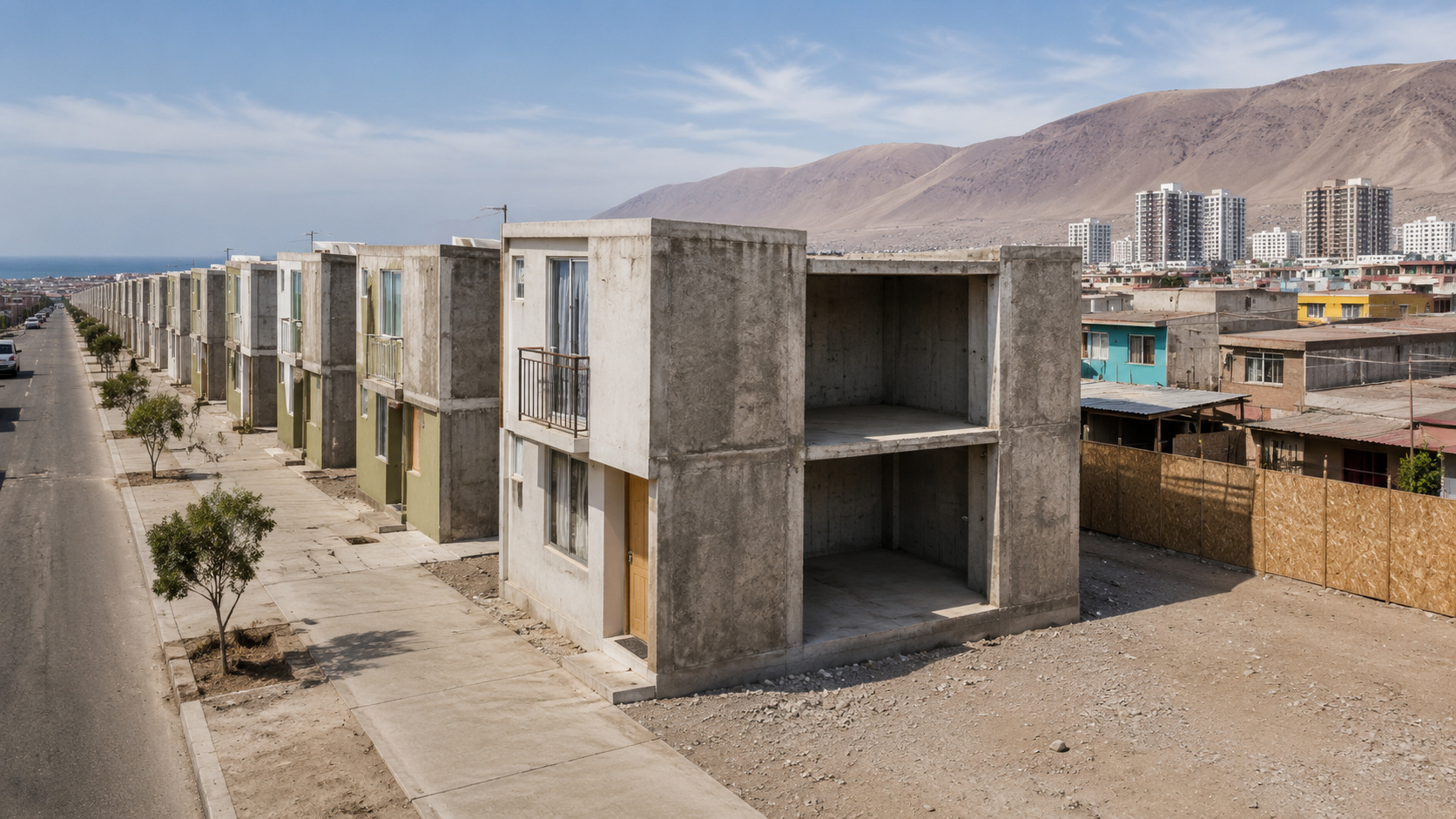
Instead of sending families far from the city, a project in Chile intentionally created incomplete houses on expensive urban land and left technical space for each to grow.
-
General Motors Replaces Over a Thousand Workers with 50 Cobots at Electric Vehicle Plant, UAW Union Criticizes Move Amid Industry’s Automation Push


This way, several travel options can be offered to passengers, including non-stop journeys. The entire route covers 378 km, and it can be completed in trips of 1 hour and 30 minutes, with an approximate speed of 350 km/h, Figueiredo stated.
According to Infomoney, TAV Brazil signed the adhesion contract for the project with ANTT last Wednesday. With the document in hand, TAV Brazil has the right to construct and commercially operate the high-speed train for a period of 99 years.
Next Step for the Start of High-Speed Train Construction
After receiving authorization from ANTT, the next step for the project is to hire a company to conduct the environmental impact study (EIA) for the construction. This process will need to be submitted to Ibama, which is responsible for approving this part of the project.
In addition, TAV Brazil is seeking alternatives for financing the project. It is estimated that the investment of R$ 50 billion, which will make this infrastructure project the most expensive in the country, will have between 72% and 80% of its value financed through long-term agreements (25 to 30 years).
According to Figueiredo, TAV Brazil intends to speak with all banks to make the start of construction possible, likely prioritizing international alternatives, as well as private banks.