






 Portuguese
  Spanish


BNDES Financing for Works in Cuba Amounts to Billions and Involves Strategic Ports and Highways, but Part of the Amount Remains Unpaid, Generating Delinquency and Attention from Regulatory Agencies.
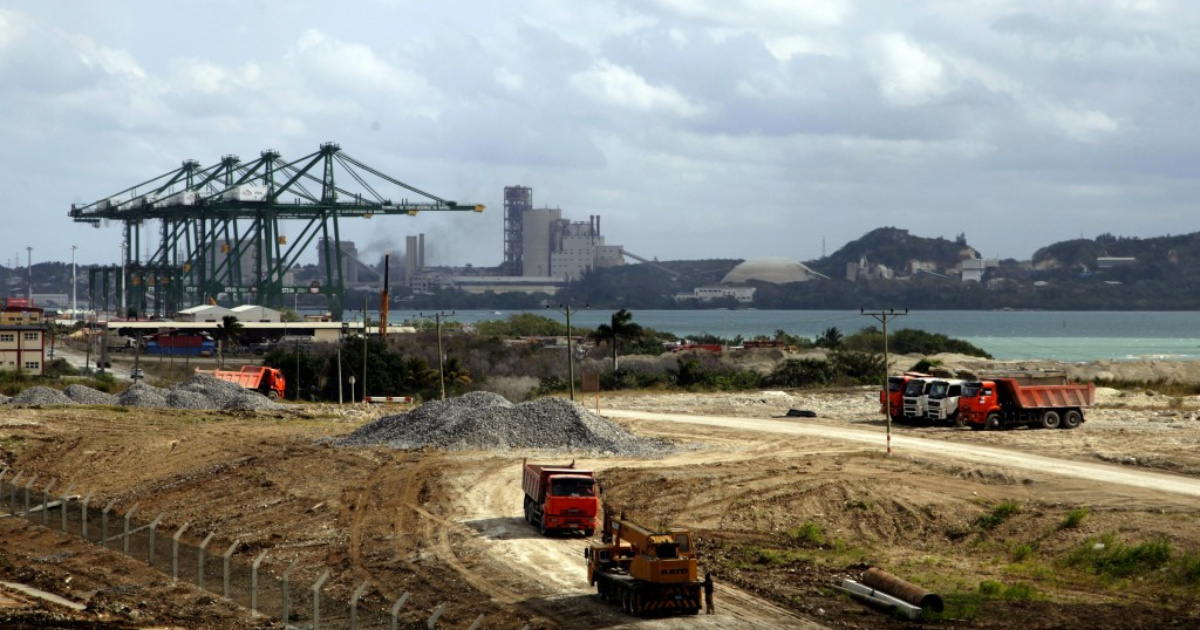
The National Bank for Economic and Social Development (BNDES) financed about R$ 3.3 billion in infrastructure works in Cuba, including a port and sections of highways.
Part of these amounts remains unpaid, with delinquency accumulating to approximately US$ 297 million as of March 2024, according to a check conducted this Friday (15) by the CPG team on the BNDES website.
The contracts were structured under the program for exporting goods and engineering services from Brazil to abroad, active since 1998.
-
Brazil to Phase Out Gasoline Subsidy, Fuel Prices Set to Rise Amid National Debate

-
Brazil Aims to Boost Critical Mineral Production to 12.2% of Global Output, Targeting Battery and Tech Industries
-
Brazil’s New National Mining Plan Aims to Transform Fertilizer Market and Reduce Foreign Dependency from 87.3% to 34.9%, Boosting Agriculture and Food Production
-
Brazilian Government Plans to Auction Over 500 Road Bridges on São Paulo Stock Exchange in 2026, Promising New Wave of Concessions




Contrary to the common perception that money “left the country,” the disbursements occurred exclusively in reais, in Brazil, and were paid to Brazilian companies that executed the exports of goods and services.
The debtor is the importing country — in this case, Cuba — responsible for reimbursing the financing with interest, in dollars or euros, as contractually provided.
The credit only covers items of Brazilian origin used in the works, not including the purchase of goods abroad or payment for local labor.
How the Operations Were Defined
The selection of export operations, the choice of countries, and the main contractual conditions — such as amount, term, interest rate equalization, insurance, and sovereign risk mitigators — were established by the direct administration of the Federal Government.
With these guidelines, each request was sent to BNDES for compliance and technical analysis before the release of credit.
In total, 148 operations were carried out, with an average term of 11 years and 2 months for amortization.
Cuba’s Share of Total Disbursed
Between 1998 and 2017, the engineering services export program disbursed about US$ 10.5 billion for projects in 15 countries.
Of this amount, 89% was concentrated in six destinations: Angola (US$ 3.2 billion), Argentina (US$ 2 billion), Venezuela (US$ 1.5 billion), the Dominican Republic (US$ 1.2 billion), Ecuador (US$ 0.7 billion), and Cuba (US$ 0.65 billion).
The majority of disbursements occurred between 2007 and 2015, a period that accounted for 88% of the total.
As of September 2022, including principal and interest, US$ 12.8 billion returned to the public coffers, relating to contracts with different countries.
Even so, significant delays persist, especially in three markets, including Cuba.
Open Payments and Sovereign Risk
Cuba is among the group of countries with delinquency regarding the program.
The amounts overdue and unpaid reached US$ 297 million as of March 2024.
In total, the nations with delays — Venezuela, Mozambique, and Cuba — had an outstanding amount of US$ 1.2 billion, with another US$ 431 million yet to mature.
These figures illustrate the program’s exposure to sovereign risk, mitigated by guarantees and instruments defined in the contracts.
What Was Financed in Cuba
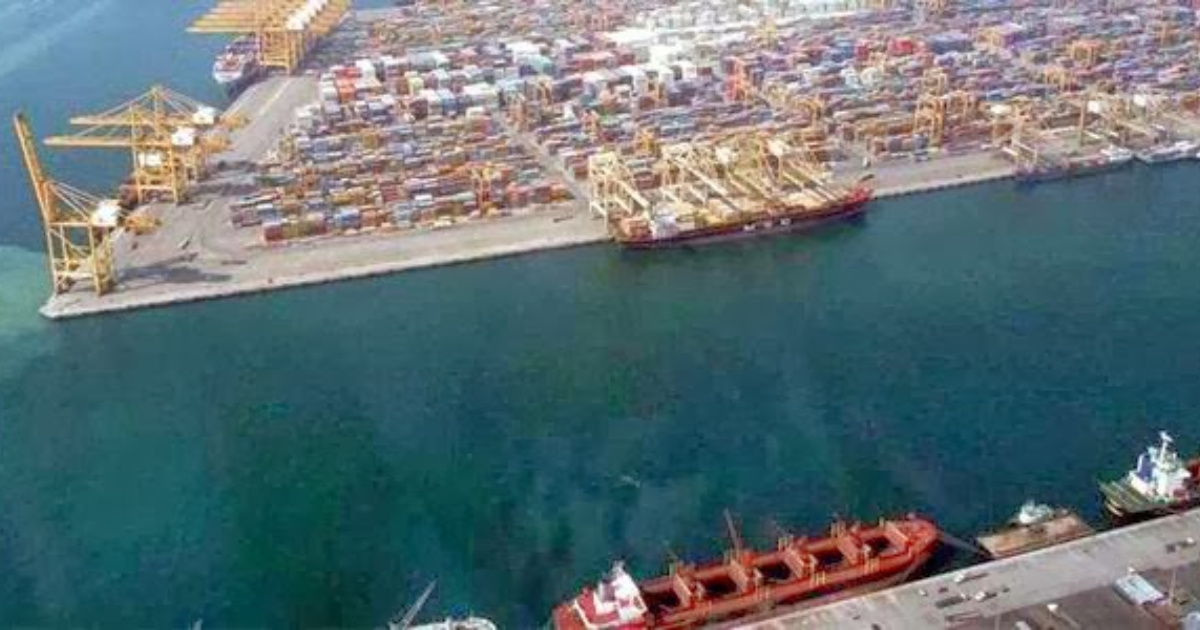
The funds supported logistics infrastructure projects on the island, focusing on a port and highways.
The declared objective of this type of financing is to promote the export of goods and engineering services produced in Brazil, creating demand for the domestic supply chain.
In the operations, BNDES releases payments as export verification occurs, step by step of the work.
In case of payment delay by the sovereign importer, the protective clauses provided in the contracts apply.
Concentration in Large Contractors
The engineering services exports supported by the program had a strong concentration in large Brazilian construction companies.
Five companies accounted for 98% of the financed volume: Odebrecht (76%), Andrade Gutierrez (14%), Queiroz Galvão (4%), Camargo Corrêa (2%), and OAS (2%).
Requests for support were submitted to BNDES after the signing of commercial contracts between companies and foreign contractors and after government approval.
At the time, there was no specific legal restriction on hiring these companies within the program.
Compliance Rules and Resource Retention
With the emergence of controversies involving engineering exporters, BNDES agreed with the Federal Public Ministry, in 2016, to require a Compliance Term with stricter governance rules as a condition for new disbursements.
As a result of this measure, the bank withheld about US$ 11 billion that were still to be released in 47 active operations, while companies adjusted to the requirements and authorities reviewed the contracts.
The operations involving Cuba followed the same review standard applied to the entire program.


Contractual Transparency and Access to Information
The transparency policy underwent significant changes.
In 2012, the Ministry of Development, Industry, and Foreign Trade classified the financing contracts for the export of goods and engineering services to Cuba and Angola as “secret”, as they contained information deemed strategic.
The classification was revoked in 2015, and the extracts of the contracts — including amount, interest rate, term, and guarantees — began to be disclosed.
Currently, according to the bank, the contractual instruments are fully available for public consultation.
Current Situation and Next Steps
Currently, the engineering services export operations remain under analysis from regulatory agencies and legislative bodies, including TCU, CGU, and CPIs in Congress.
BNDES indicates its intention to resume the policy of supporting the export of services, but with updated rules, reinforcing compliance and sovereign risk assessment.
Meanwhile, the open payments from Cuba remain a point of attention for credit management, with the expectation that contractual flows will be regularized according to the agreed conditions.
With overdue amounts and ongoing regulatory reviews, do you agree that Brazil should continue financing works in other countries like Cuba, or do you believe the risk of default is too high to justify this investment?





Não se preocupe. Nos pagarão com charutos mais uma vez. O **** reincide sem escrúpulos. Impressiona a cara de ****.
Financia-se obras no exterior, em detrimento de obras necessárias em nosso país!
O Brasil tem investir em infraestrutura do pais e refinarias de petróleo aqui e tão somente, no Brasil! É um absurdo completo ficarmos investindo dinheiro público em outros países, enquanto aqui no Brasil, ainda falta muito para o básico.