






 Portuguese
  Spanish


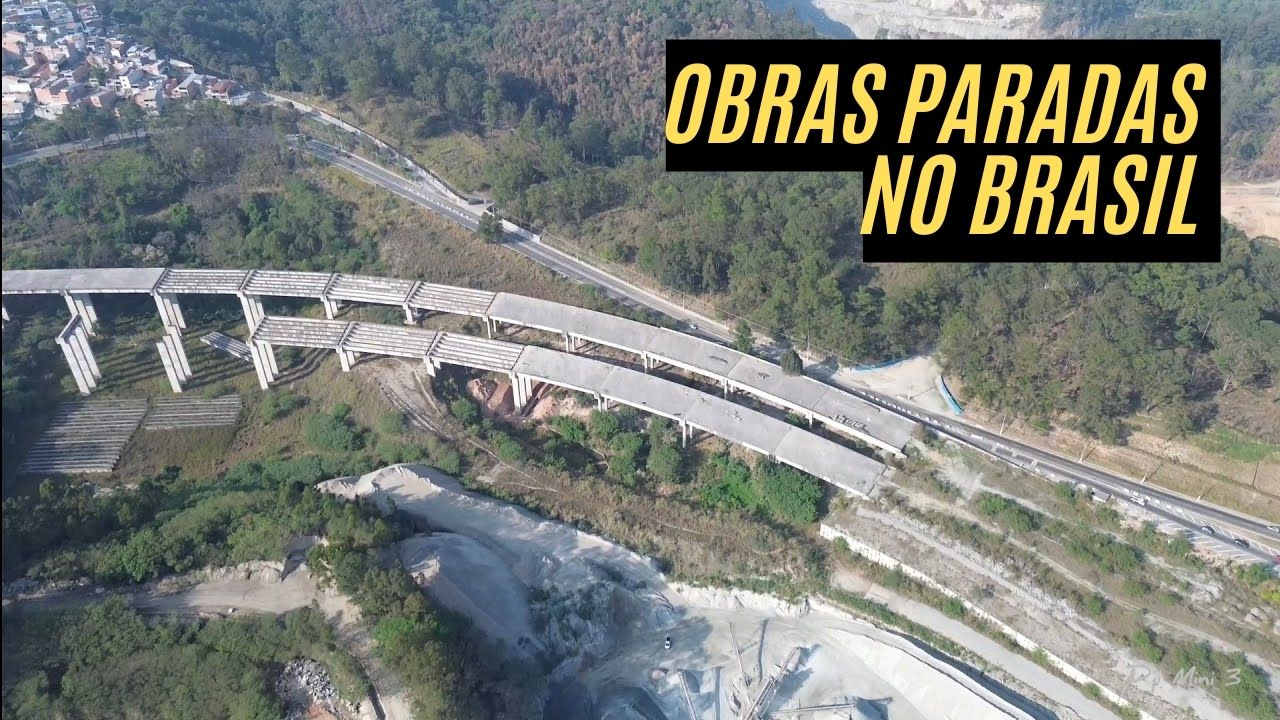

In a country with continental dimensions like Brazil, where infrastructure is essential to boost growth and improve quality of life, the problem of stalled construction in Brazil in 2024 has become a challenge of enormous proportions. According to data from the Federal Court of Audit (TCU), the amount invested in stalled public works fell from R$ 75.95 billion in 2020 to R$ 13.65 billion in 2023; nevertheless, the impacts are devastating. Only in the state of São Paulo, more than R$ 15.4 billion has been invested in unfinished projects, a scenario that directly reflects on the lives of Brazilians by affecting everything from transportation and health to basic education.
The situation of stalled construction in Brazil goes beyond the numbers. The impact is felt in waiting lines at hospitals, in classrooms that were never built, and in traffic congestions that could have been avoided with adequate roads. Examples like the North section of the Rodoanel Mário Covas in São Paulo illustrate the problem. The project, designed to improve urban mobility and facilitate the flow of products in the metropolitan area, has been stalled at multiple points since 2018. The São Paulo government announced the resumption of this project in 2024, anticipating its completion by 2026. This initiative is a crucial step to unlock the logistics of the São Paulo capital and reduce traffic, as well as essential for the state’s competitiveness.
Another emblematic case is the modernization of Line 11 Coral and Line 12 Safira of CPTM, also in São Paulo. The construction, which aims to modernize the electrical system and reduce the interval between trains, has been interrupted since February 2024, leaving millions of passengers at the mercy of an overloaded and inefficient mode of transportation.
A Reality That Goes Beyond The Large Centers: The Stalled Construction In The Country
The problem of stalled construction in Brazil is not limited to large urban centers. On a national scale, there are about 11,944 unfinished projects, representing approximately 52% of ongoing enterprises. In other words, for every ten projects initiated with public resources, five are completely stalled. This alarming scenario highlights the precariousness in resource management and the lack of planning that directly affects the quality of life and the development of the country.
-
Prefabricated Home Assembled in Days Offers Cleaner, More Efficient Construction with Factory-Made Panels, Requires Technical Design to Prevent Moisture Issues

-
Single Mother Working Three Jobs Receives 111 m² 3D-Printed Home with Concrete Walls Built in 12 Hours, Featuring 3 Bedrooms, 2 Bathrooms, and a Printer for Replacement Parts

-
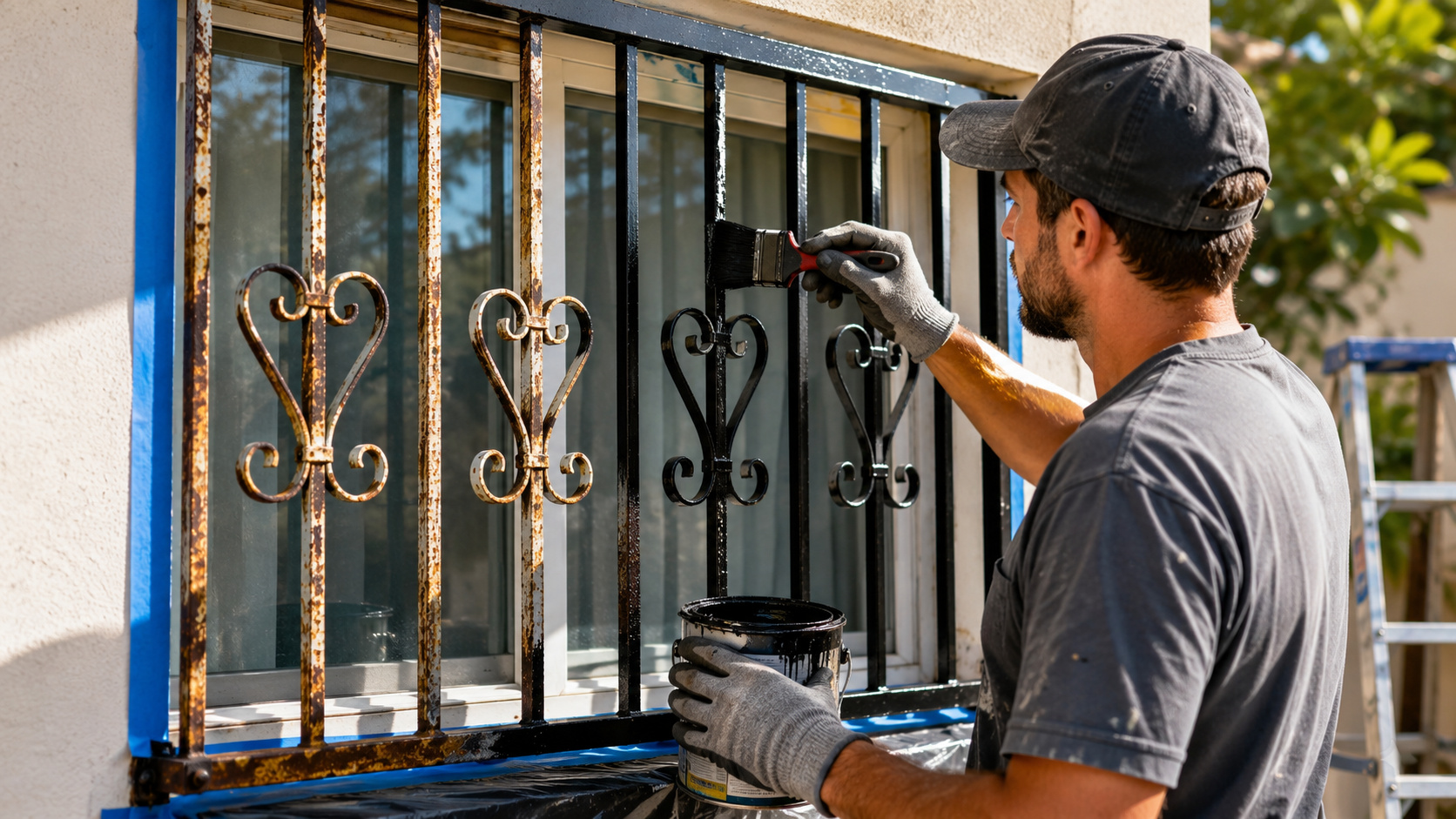
Simple Technique to Restore Rusty Metal Window Grilles Gains Attention for Revitalizing Old Structures Without Full Replacement

-
Couple Transforms Suffolk’s Last 1891 Windmill into Luxurious Four-Story Home with Zinc Observation Room in England



Education And Health: Essential Sectors Suffer From The Paralyses
According to the TCU, education is one of the sectors most harmed by stalled construction in Brazil. Over 4,000 projects, including schools and daycares, are unfinished, depriving thousands of children and young people of a quality education. In the health sector, hospitals and urgent care units that could save lives remain abandoned, while the country lacks sufficient infrastructure to serve its population.
The Challenges And Possible Solutions To The Problem Of Stalled Construction In Brazil
The federal government, through the Growth Acceleration Program (PAC), has announced initiatives to resume works and start new enterprises. However, experts point out that to avoid past mistakes, rigorous planning and the use of advanced technologies in project management are necessary.
Countries like South Korea and Singapore are examples of efficiency in infrastructure, adopting centralized real-time monitoring systems, which allow for rapid problem identification and facilitate immediate interventions.
For Brazil, resuming and completing stalled construction represents much more than just solving an administrative problem; it is investing in the country’s future. These constructions have the potential to generate jobs, boost the local economy, and provide better infrastructure and essential services to citizens.
A Brazil Of Completed Constructions Is A Stronger Brazil
The stalled construction in Brazil represents a significant setback to the country’s development, but the resumption of important projects like the North section of the Rodoanel Mário Covas signals that there is hope.
With a joint effort between government, private sector, and society, it is possible to build a future where national infrastructure is not just a number in a report, but a reality that improves the lives of millions of Brazilians.




Depois do pgto.dis 10% não interessa se a obra para ou continua…
Cadê as benditas fotos, coloca uma foto só, um texto do tamanho da china caraca
São fatos. Prá que fotos?
Enquanto não houver uma lei efetiva que obrigue a conclusão de obras antes de iniciar novas isso nunca irá acabar, é uma fonte de corrupção.