






 Portuguese
  Spanish
  3 min of reading
  0 comments


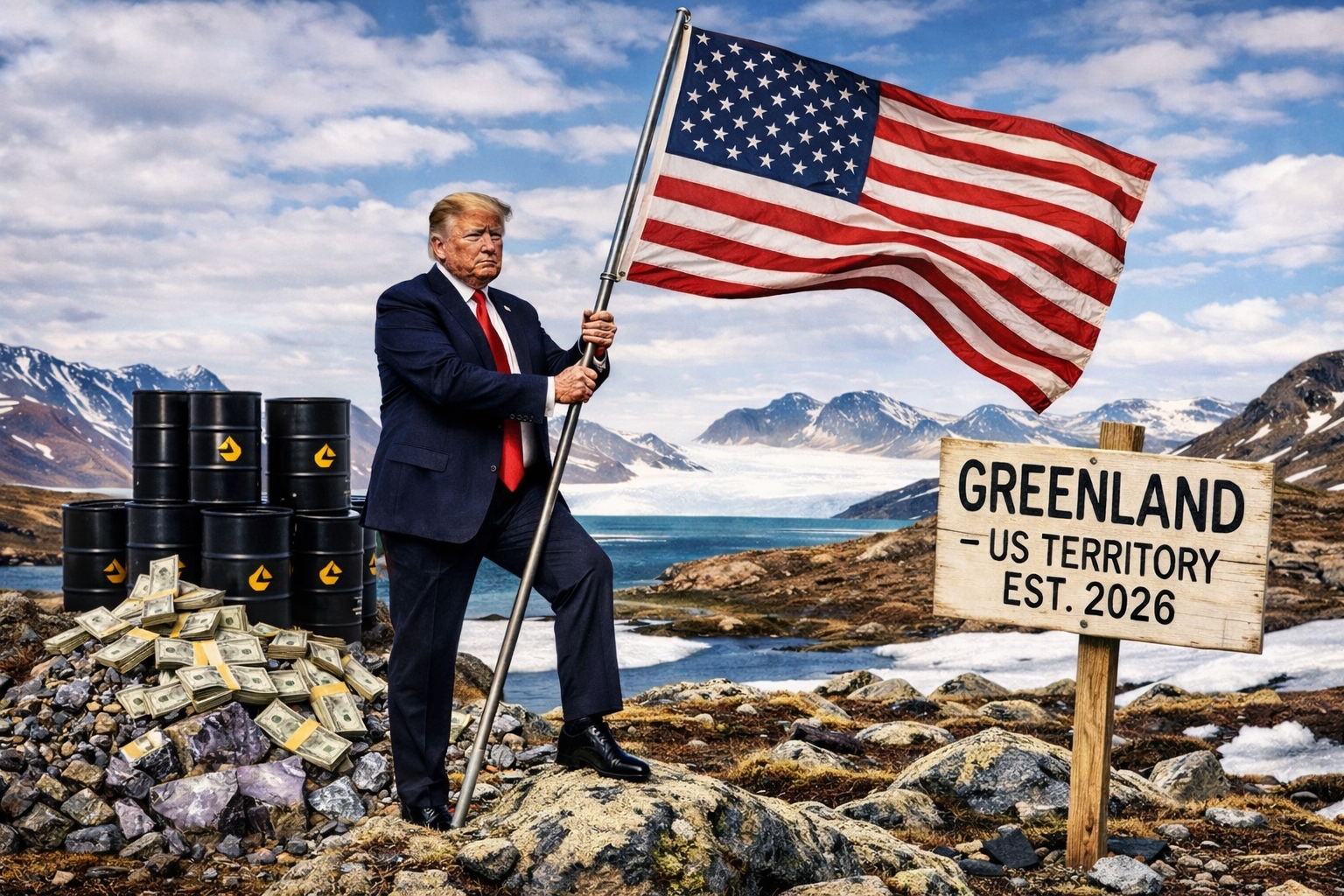
USA and Its Obsession With the Largest Island in the World: Greenland Is Rich in Natural Resources With Millions of Tons of Rare Earth Metals and Oil, Provoking Pressure for Exploration and Catching the Attention of Authorities and the Global Market.
Greenland, the largest island in the world, has come strongly onto the radar of major powers for a very straightforward reason: massive mineral and energy wealth.
At the center of this dispute are the rare earth elements, essential for electric motors, batteries, and other technologies used in the energy transition. And the estimates are impressive.
The detail that draws the most attention is that much of these reserves is hidden in remote areas, deep within the ice, which makes everything more complex and expensive, while also increasing pressure for regulatory flexibility.
-
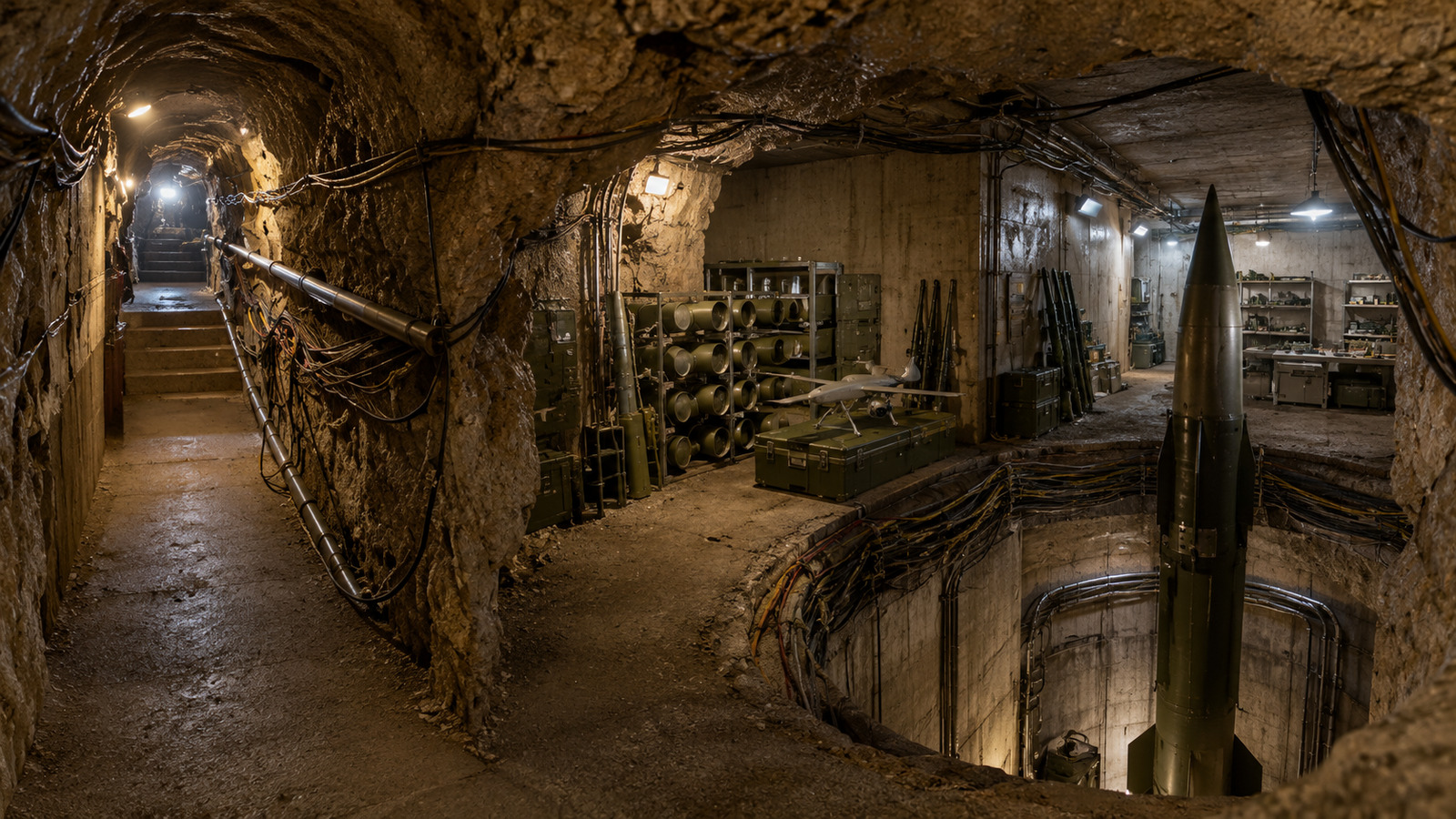
Israel finds Hezbollah militarized tunnel over 200 meters long under village, with 4 missile launch shafts, 12 chambers, anti-tank missiles, drones, and weapons depots at a depth of 25 meters.

-
Ukraine launches largest drone attack on Moscow since 2022, Russia claims to have intercepted nearly 200 aircraft near the capital, Kapotnya refinery targeted again, and offensive reignites alert about war reaching the Russian energy heart just a few kilometers from the Kremlin.

-
Truck drivers, freight, and fines from 2022 take center stage in politics: Chamber approves MP with amnesty, mandatory tracking by CIOT, million-dollar penalties, and new minimum wage for those who spend more than 24 hours on the road.

-
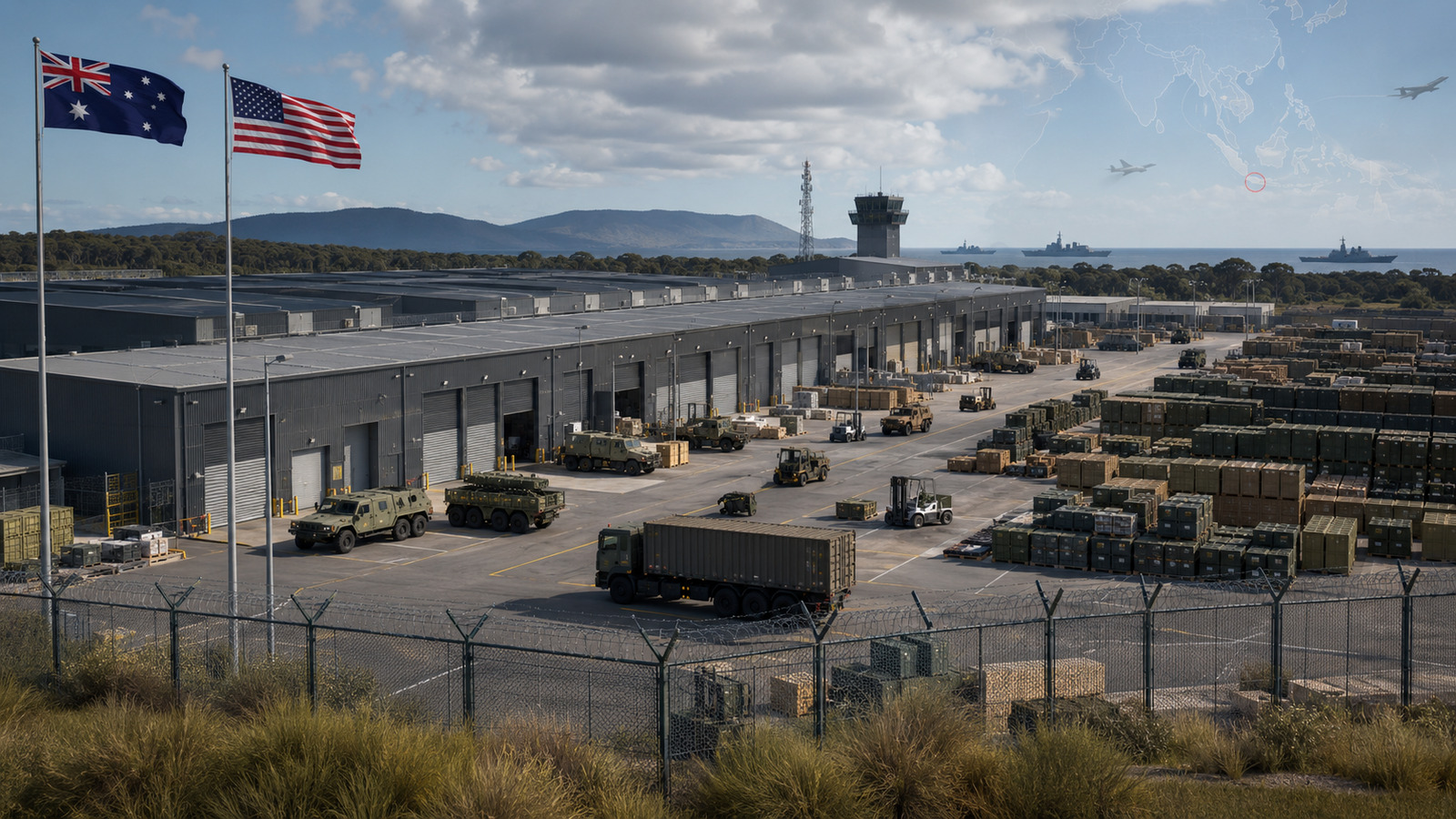
China off the radar: US plans mega $30 million weapons depot in Australia, out of reach of most Chinese missiles, with full capacity expected by 2028


Greenland Has Become a Strategic Target of the USA Due to Rare Earth Metals and Giant Energy Resources
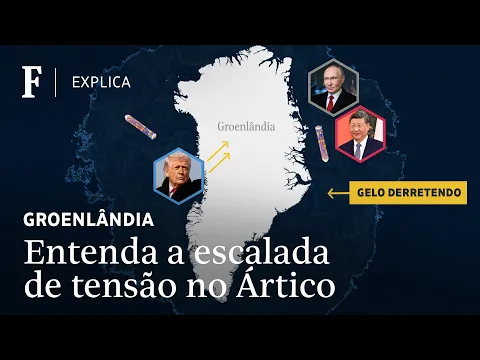

The interest of the United States in Greenland is growing because the island harbors resources that the world is competing for, especially rare earth elements (REEs).
Estimates indicate that Greenland has nearly 40 million tons of dysprosium and neodymium. These two materials are essential for green technologies, with direct uses in batteries and electric motors.
The projection associated with this volume is even stronger: this amount would be enough to meet more than a quarter of future global demand.
Rare Earth Deposits Are Among the Largest in the World and Are Hidden Deep in the Ice
REE deposits in Greenland are cited as some of the largest on the planet and are located in deep, ice-covered areas.
In practice, this places the island in a rare position on the global mining map, especially since the demand for materials used in batteries and electrical components continues to grow.
Mining these resources is seen as vital for the global energy transition, but the challenge is turning potential into real operation, which depends on access, cost, and regulations.
Northeast Coast May Hide 31 Billion Barrels of Oil Equivalent and Increases the Economic Weight of the Region and Catches the Attention of the USA
In addition to rare earths, recent research indicates another game-changing fact: the northeast coast of Greenland could contain about 31 billion barrels of oil equivalent.
This number reinforces the economic potential of the territory and amplifies international interest, as it is not just about minerals, but also energy on a market scale.
The contrast draws attention: while the energy transition requires materials for green technologies, the region also shows a significant volume associated with oil equivalent.
Exploration Faces Ice, Distance, High Cost, and Environmental Requirements That Hinder Viability
Despite the estimated wealth, exploration is not simple. Greenland is covered by large layers of ice and most natural resources are in remote and hard-to-access areas.
This raises costs and complicates logistics, as projects of this kind require heavy infrastructure, transportation, and operations in extreme conditions.
Additionally, there is a need to respect environmental standards, which makes commercial viability more difficult and places mining at the center of an unavoidable debate.
Pressure for Flexibility May Grow and the Environmental Dilemma Becomes Inevitable With the Advancement of Interest
With the increased interest of the USA in the region, pressure to relax regulations may arise, especially if the global scenario continues to demand more raw materials for batteries and electrical components.
However, extracting natural resources in Greenland raises sensitive questions about environmental impacts and climate change.
The most critical point is that the melting of ice layers, accelerated by carbon emissions, may free access to these resources, but it also aggravates the effects of climate change. Among the highlighted concerns are the destruction of ecosystems and rising sea levels, factors that are directly accounted for when it comes to large-scale mining.
In the end, Greenland appears as a territory where the promise of wealth and urgent climate issues collide in the same place, under the same ice, with numbers that place the island at the center of a global dispute.






Be the first to react!