Portuguese
  Spanish


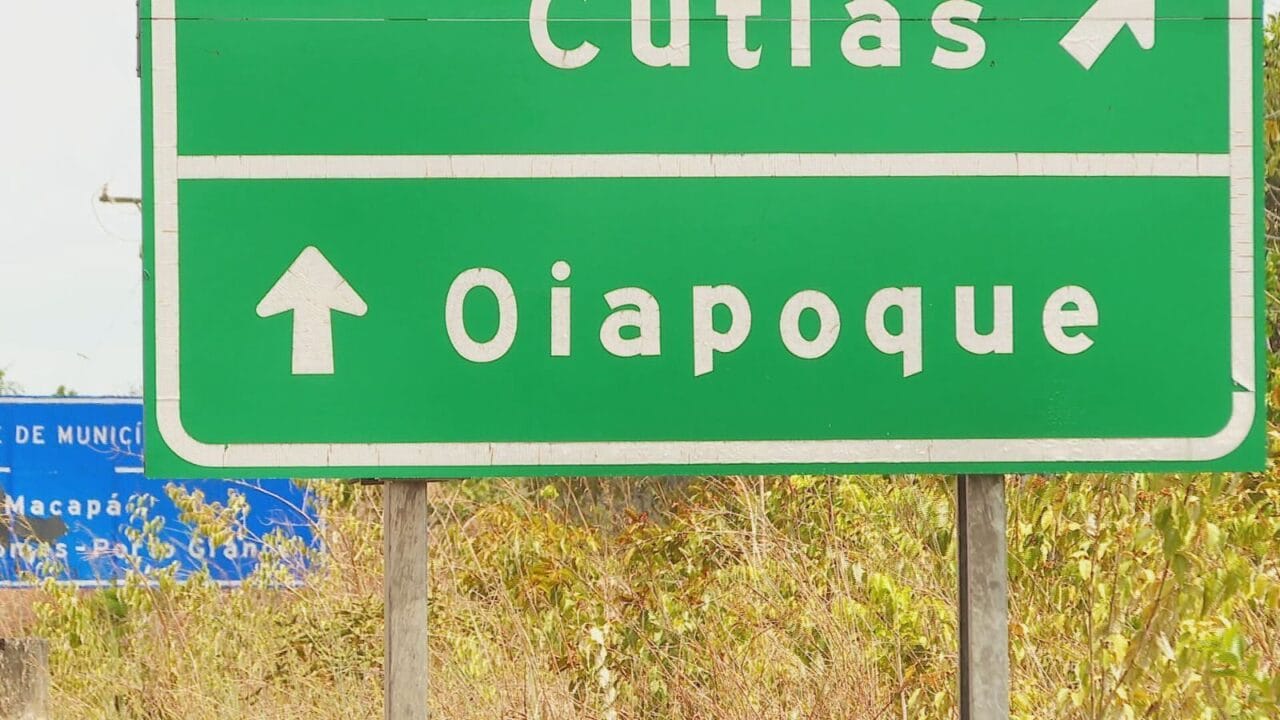

Proposed Oil Project in Northern Amapá Generates Expectations in the Local Economy, Bringing Jobs and Boosting the Hotel Sector.
The municipality of Oiapoque, located 580 kilometers from the capital Macapá, is situated near the border with French Guiana. The region has a potential oil exploration site proposed by Petrobras, but to reach it, it is necessary to travel more than 100 kilometers on a dirt road that crosses indigenous villages. The proximity to the international border makes the region strategic for oil exploration.
The possible oil exploration in Oiapoque could bring millions of reais in royalties to the region. Furthermore, the municipality is already accustomed to dealing with different currencies in circulation, such as the Brazilian real, the Guianese euro, and the gold from mining operations. However, law enforcement authorities are concerned about illegal mining, which poses a challenge to the region’s security.
Oil Exploration at the Border: Challenges and Opportunities
One of the oldest bases of the Brazilian Army is located in the far north of the country, in the city of Oiapoque, and conducts ongoing operations against the French. Besides illegal mining, other crimes such as international arms and ammunition trafficking are common in the region, as reported by Federal Police delegate Jéssica Melo. She also mentions that there are many crimes related to sexual abuse and child pornography, as well as cases of corruption, such as the removal of the mayor due to suspicion of financial misconduct in bids recently. The oil exploration proposed by Petrobras has been seen as an opportunity to boost the local economy and create more jobs.
-
The Chamber releases R$ 10 billion to hold the price of diesel until December and proves that Brazilian fuel remains tied to Congress.

-
It’s official: Petrobras takes 75% of block 3 in São Tomé and Príncipe and debuts as an offshore operator outside South America.
-
With a record production of nearly 3 million barrels per day, Petrobras resumes importing diesel in July, highlighting the bottleneck in Brazilian refining.
-
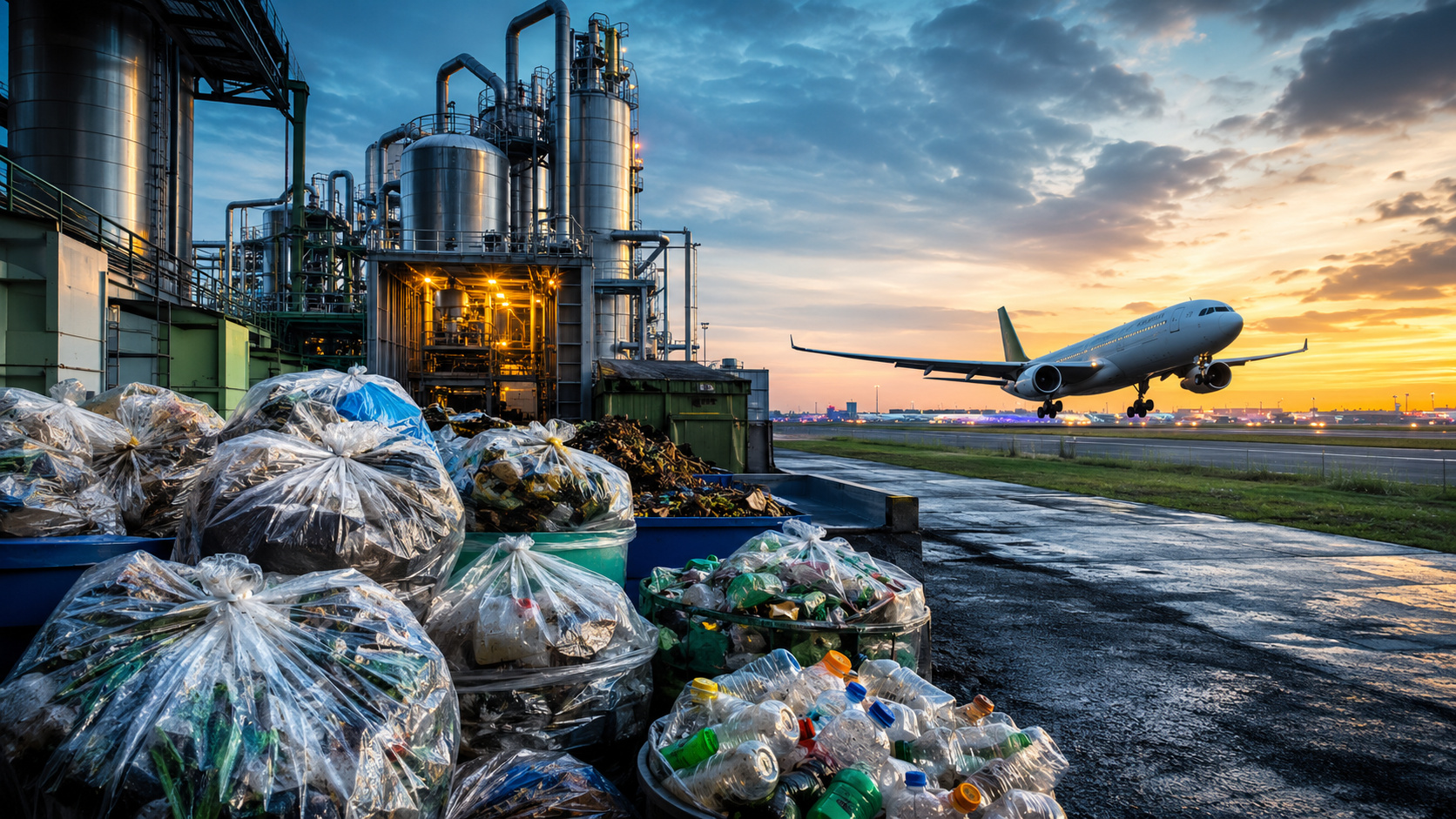
Qantas and Airbus Invest in Company Aiming to Convert Unsorted Household Trash into Jet Fuel


Oil in the Amazon: Challenges and Expectations
The Oiapoque region is preparing to receive investments from oil exploration, envisioning a scenario of growth and economic development. Residents hope that oil activity can boost the hotel sector, generate jobs, and stimulate the local economy. Oscar Gislael, a local businessman, reports that his technology company has already expanded its team due to the demand from new ventures that arose after the announcement of the oil exploration project in the region.
The Social and Economic Challenges of Oil Exploration
Despite positive expectations regarding job creation and economic boost, the region faces challenges such as illegal migration, the increase in crimes related to sexual abuse and child pornography, as well as cases of corruption. The special series ‘Oil in the Amazon’, published by CNN, addresses these issues, highlighting the social and economic impacts of oil exploration, not only on indigenous villages and the local population but also on tourism activities and the royalties derived from oil extraction.
Source: CNN Brazil