Portuguese
  Spanish


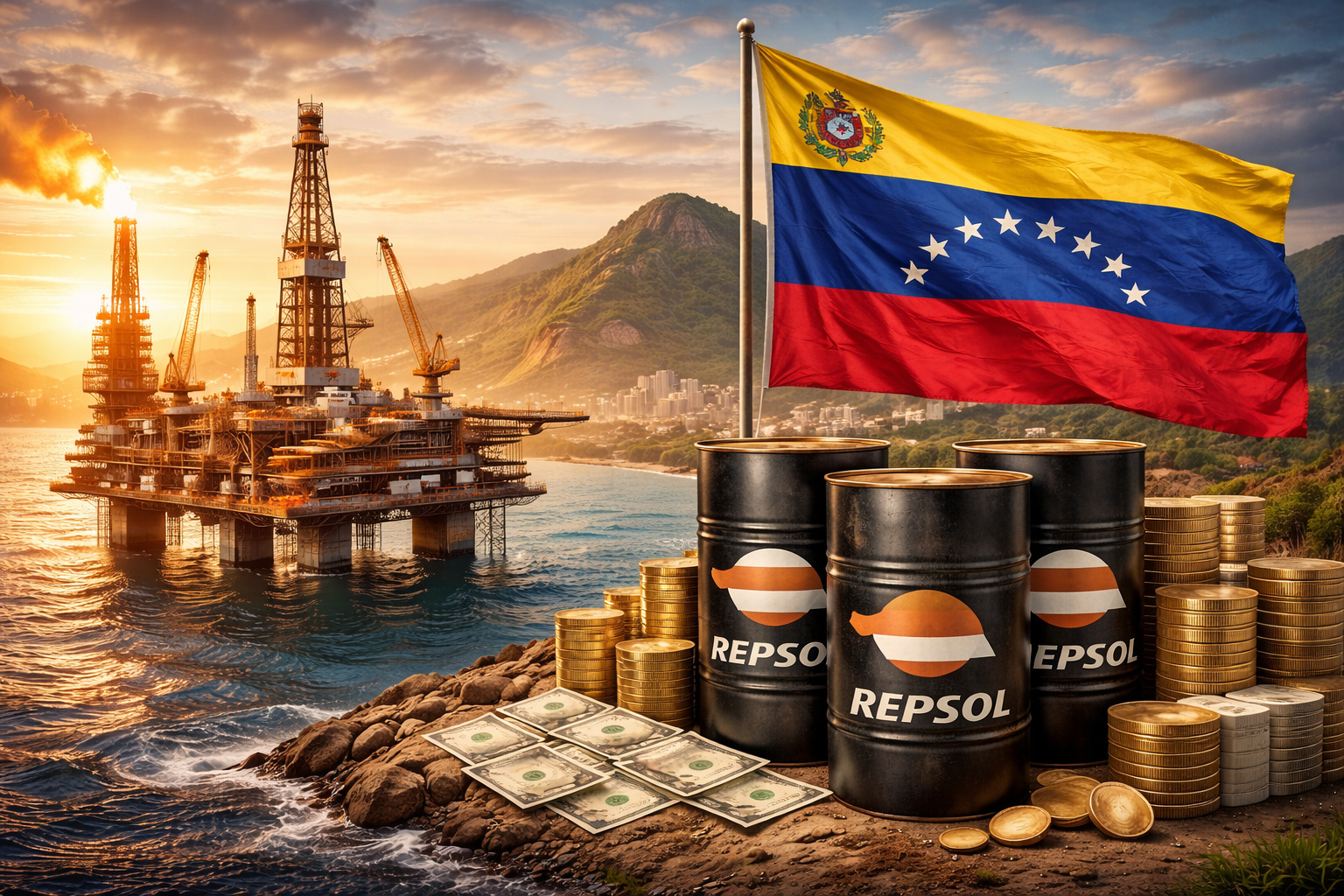

Oil returns to the center of global strategy. Furthermore, major companies in the sector have begun to resume investments in strategic regions. In this context, the Spanish company Repsol announced that it has regained control of its oil operations in Venezuela. As a result, the country is regaining relevance in the global energy market.
According to information released by the company itself and reported by the international press, Repsol’s current production in the country reaches about 45,000 barrels of oil per day.
At the same time, the company intends to expand this capacity. Thus, the resumption of operations represents a new chapter for the Venezuelan oil sector.
The historical role of Venezuela in the oil market
Historically, Venezuela has always held a prominent position in the oil market. For decades, the country was among the largest producers in the world.
-
OPEC+ Boosts Oil Supply by 188,000 Barrels per Day in July 2026, Leading to Price Drop from $112 to $89 per Barrel in Under Two Months

-
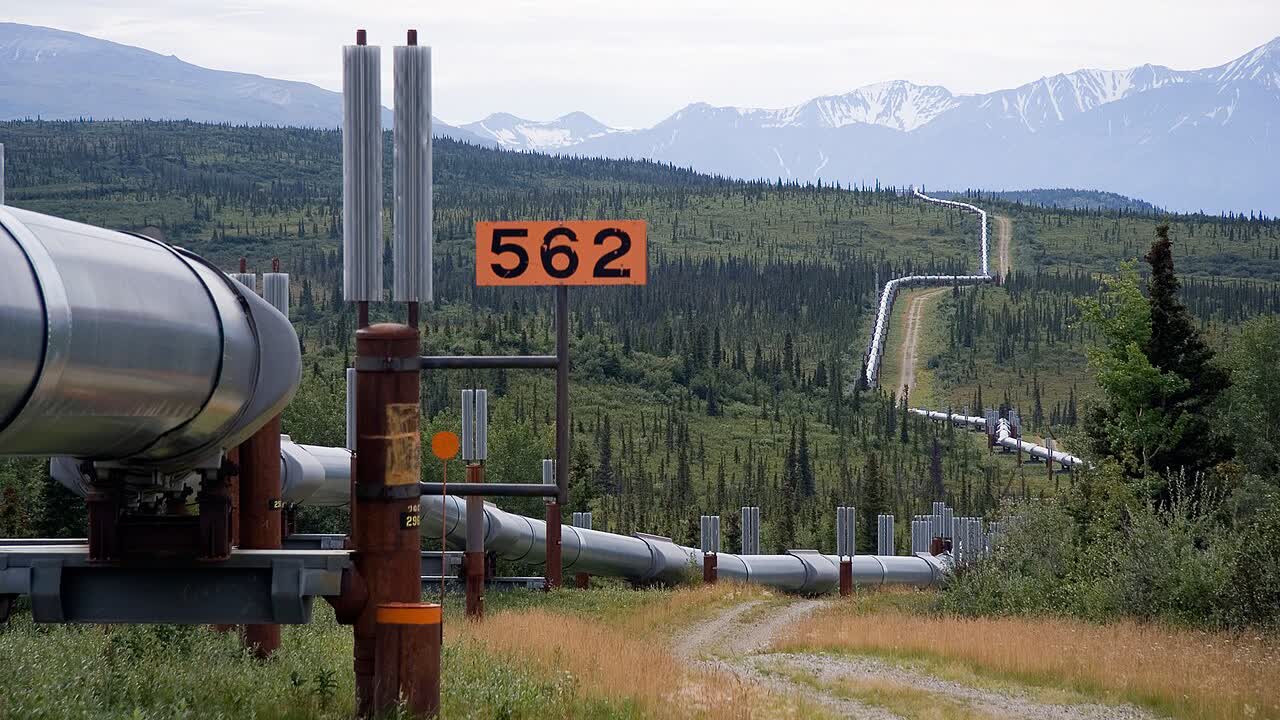
TotalEnergies Signs 20-Year Deal to Purchase 2 Million Tons of LNG from Alaska, Boosting Project Viability
-
Turkey Deploys Çağrı Bey Drilling Ship to Explore New Oil Frontier Off Somalia’s Coast
-
Golden Pass LNG Ships First Liquefied Gas Cargo from the U.S., Completing $10 Billion QatarEnergy and ExxonMobil Investment

At the end of the 20th century, for example, Venezuelan production exceeded millions of barrels per day. However, political and economic crises drastically reduced this volume over the years.
According to historical data from the state-owned PDVSA (Petróleos de Venezuela S.A.), production fell due to structural problems, lack of investment, and institutional instability.
Additionally, international sanctions further aggravated the situation. As a consequence, foreign companies reduced or halted their operations in the country.
The resumption of Repsol and the new energy scenario
Currently, the scenario is beginning to change. Repsol announced that it will resume direct control of its oil operations in Venezuela. This decision comes after new agreements with the Venezuelan government and the state-owned PDVSA.
According to the Spanish newspaper Cinco Días, part of the El País group, this move will allow the company to increase its production and improve operational efficiency.
Furthermore, the company aims to raise its production by more than 50% in the short term. In parallel, the goal is to triple production in the coming years.
This advancement was only possible after regulatory changes and the easing of international restrictions. Therefore, the business environment has become more favorable for investments.

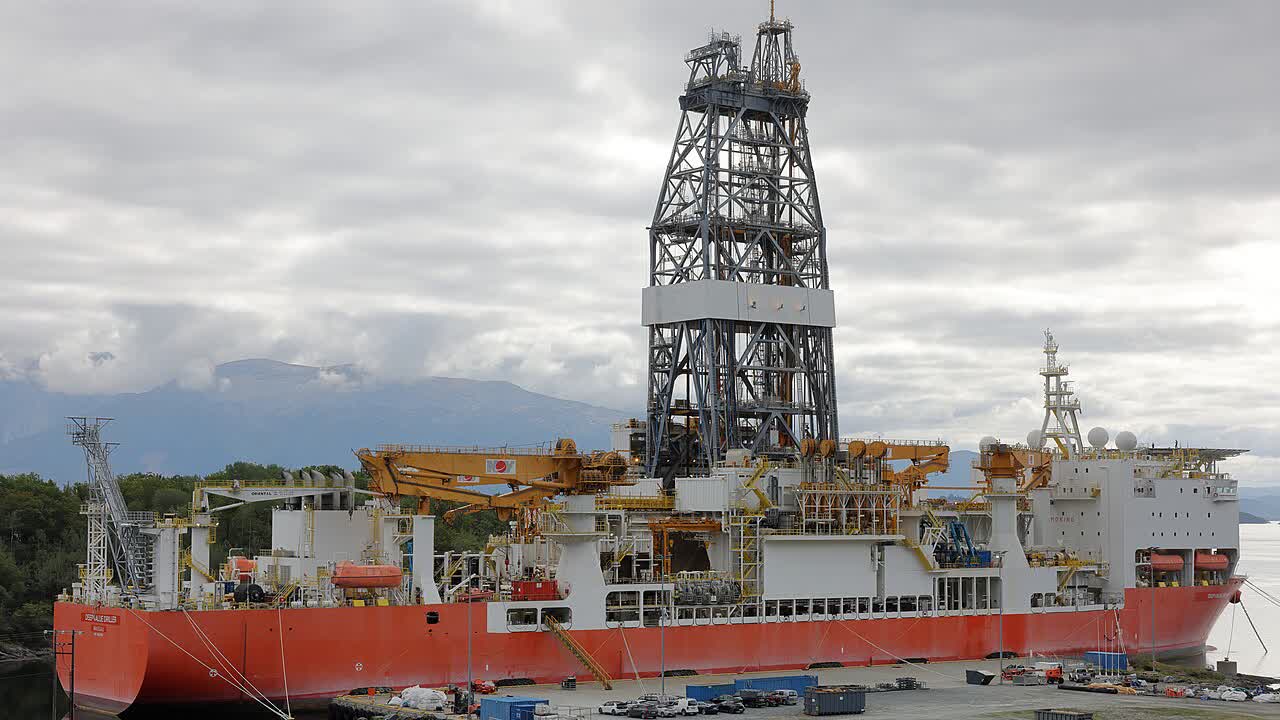
Repsol regains control of its oil operations in Venezuela – Photo AFP Tickerts
Oil as a driver of economic recovery
The oil plays a fundamental role in the Venezuelan economy. Throughout history, it has always been the main source of revenue for the country.
In this sense, the resumption of operations by international companies can boost economic recovery. This is because increased production generates more exports and foreign currency inflow.
Moreover, according to analyses from the energy sector, foreign investments help modernize infrastructure and increase productive efficiency.
Thus, oil is once again seen as an essential tool for stabilizing the economy.
Geopolitics and the influence of oil in Venezuela
At the same time, the resumption of operations also has a strong geopolitical component. The oil of Venezuela is directly linked to international decisions.
According to international press, the reactivation of Repsol’s activities occurred after authorizations and licenses granted by the United States.
Additionally, other major players in the sector have also shown interest in increasing investments in the country.
This movement indicates a shift in the global strategy regarding Venezuela. In other words, oil is once again a point of negotiation and influence among governments.
Challenges and opportunities for the Venezuelan oil sector
Despite the more positive scenario, challenges still exist. The infrastructure of the Venezuelan oil sector has deteriorated over the years.
Moreover, political and economic issues continue to influence the business environment.
On the other hand, the opportunities are significant. Venezuela has one of the largest oil reserves in the world.
Thus, with investments and stability, the country can return to being one of the leading global producers.
The future of oil in Venezuela and the world
The future of oil in Venezuela depends on economic and geopolitical factors. However, the resumption of Repsol’s operations indicates a trend of recovery.
Additionally, increased production may strengthen the country’s position in the international market.
At the same time, global demand for oil remains relevant. Even with the advancement of renewable energies, the sector still plays an essential role.
Thus, Venezuela may regain a strategic position in the global energy landscape.
Oil as a pivot of global transformations
In this context, it is clear that oil continues to be one of the main elements of the global economy. Furthermore, it influences political decisions, investments, and international strategies.
The resumption of Repsol’s operations in Venezuela reinforces this reality. In other words, even after crises and changes, oil remains at the center of global transformations.
Finally, when observing this movement, it is evident that the energy sector is in constant evolution. And, in this scenario, oil continues to be one of the main engines of global economic development.