Portuguese
  Spanish


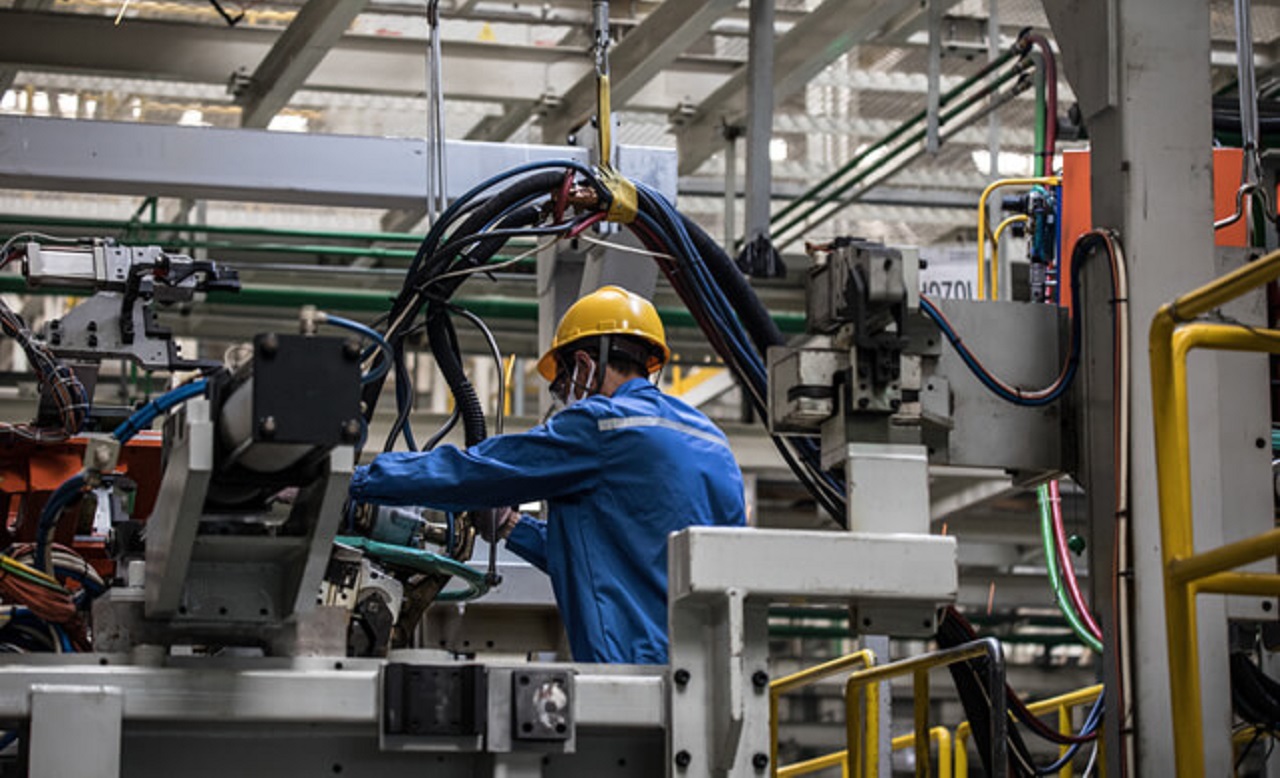

Rio Industry States That The Sector Faces Challenges Due To The Need For Qualified Professionals In The Digital Economy And New Technologies
Data from Senai (National Service for Industrial Training) indicates that Brazil will need to train and requalify 4.2 million workers for the digital economy and new technological trends by 2025. According to the Industry Association of the State of Rio de Janeiro, the situation for economic sectors in light of the labor shortage is particularly concerning for the industry.
“It is a sector that requires qualified labor, it has always been this way, and now more so with the development of technology, the incorporation of digital equipment, and robots. It is necessary for private entities and the public sector to prepare workers for these challenges.
Industry 4.0 will require these skilled professionals. Today, companies are already facing this problem of unfilled positions due to a lack of qualified labor.
-
City Hall spends almost R$ 2 million on a wooden bridge only 2.5 meters wide to prevent the isolation of 5,000 people, but information about lifespan, load, and maintenance does not appear in public disclosures.

-
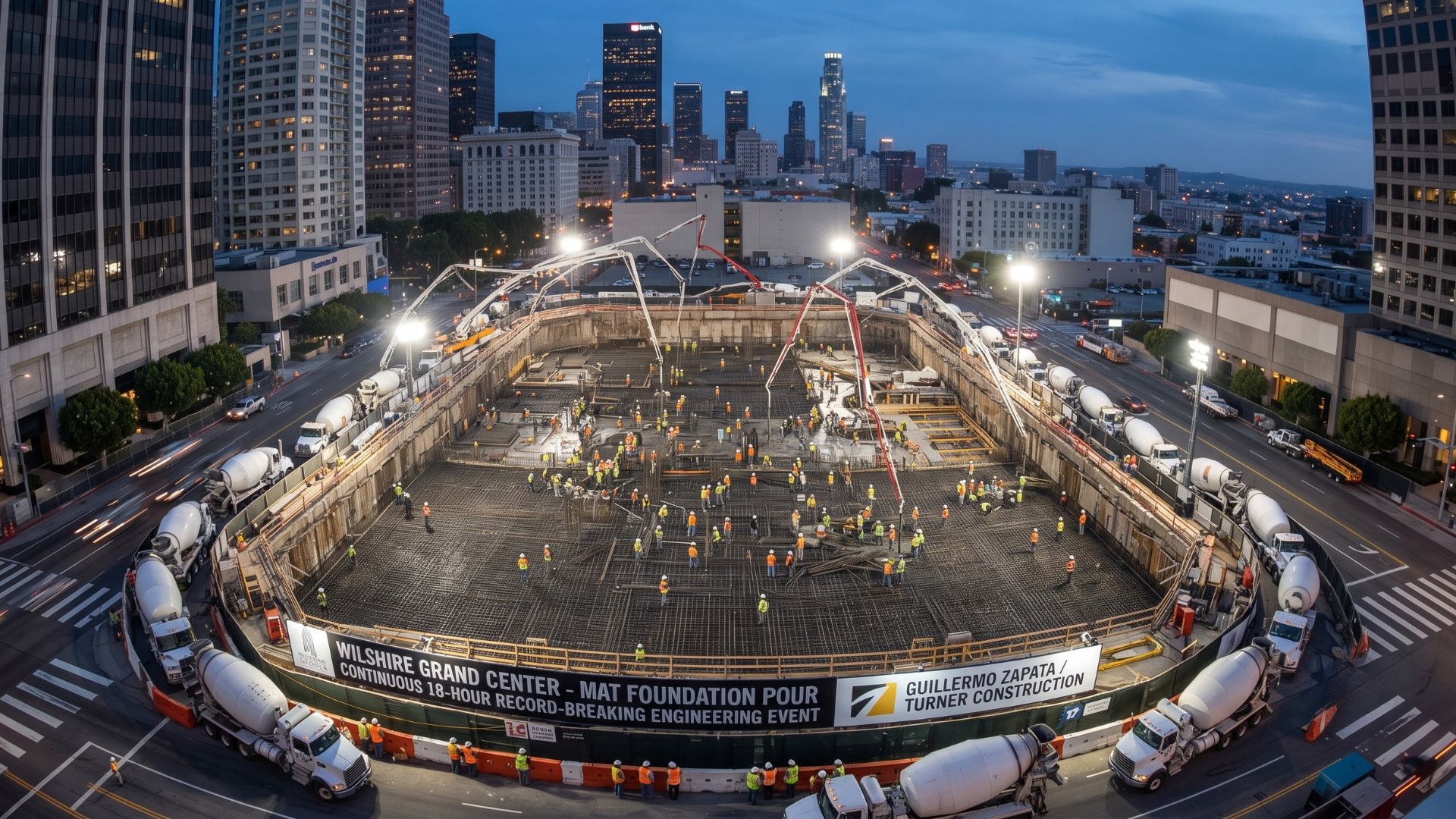
More than 2,100 trucks transported 16,200 cubic meters of concrete without interruption to create the foundation of the tallest skyscraper in the western United States and break a world record.

-
The man who started in construction with his own house founded a company in 1957, went through a banking crisis in 1987, and ended up connected to 16,500 houses in Houston.

-
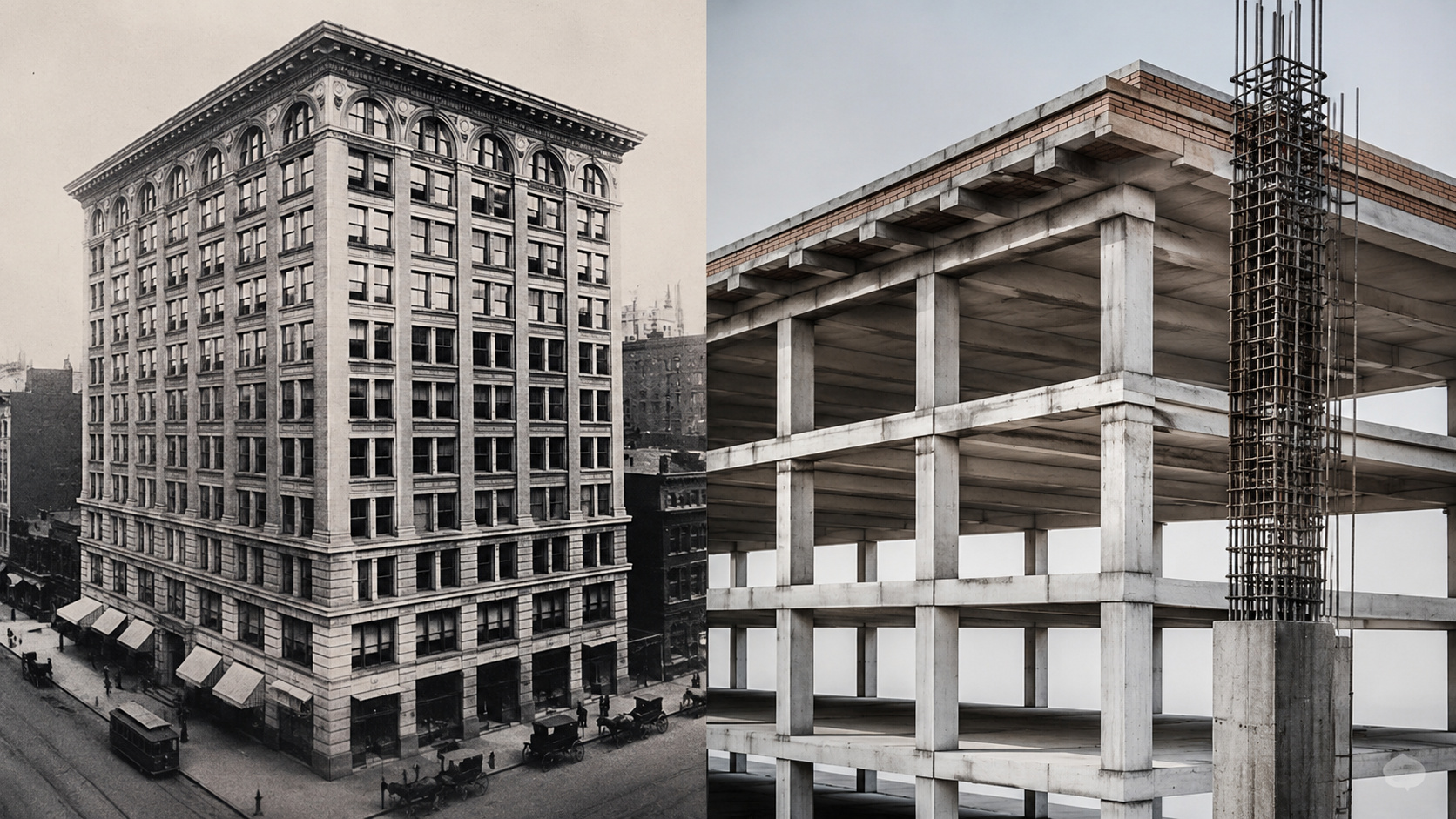
Builders challenged experts, erected a 16-story building using only reinforced concrete when the known limit was six floors, and proved that skyscrapers would never be the same again.


Race Against Time To Avoid A Shortage Of Qualified Labor
As the market incorporates new technologies at a rapid pace, entities like SESI and SENAI need to be prepared to meet this emerging demand. This is the challenge for industries,” comments Sérgio Duarte, president of Rio Industry.
To avoid issues with labor demands, a partnership between SENAI and the World Economic Forum aims to requalify the workforce across various economic sectors.
Data released by Caged (General Register of Employed and Unemployed) in August of this year indicates that the industry created around 50,000 formal job positions, just in July 2022.
Since December 2021, the industrial sector has shown recovery in formal job vacancies, with July’s results being the best balance since January.