





 Portuguese
  English
  Spanish
  5 min of reading
  0 comments


Know The Surprising Transformation Of A Region That Moved From Cheap Lands, Previously Exchanged For Motorcycles, To One Of The Biggest Examples Of Real Estate Appreciation In Brazil. Understand The Factors Behind The Real Estate Boom And The Emergence Of Million-Dollar Lands In The Country
Less than two decades ago, at Praia Brava, in Itajaí (SC), it was common to find lands worth a motorcycle. The area, then frequented by fishermen and surfers, had few commercial attractions and limited infrastructure. Today, it is one of the most valued regions in Brazil, with square meters reaching R$ 33 thousand and properties exceeding R$ 20 million.
This steep price jump is not an isolated case, but an emblematic example of real estate appreciation in the country. According to the FipeZap index, the region experienced a 90% increase in the average value per square meter in just five years. What once seemed a high-risk bet now represents guaranteed returns for investors and developers.
What Drove The Regional Real Estate Boom
The appreciation of Praia Brava is the result of a series of interconnected factors. From private investments in luxury developments to improvements in urban infrastructure, the neighborhood underwent a complete transformation — economic, social, and urban.
-
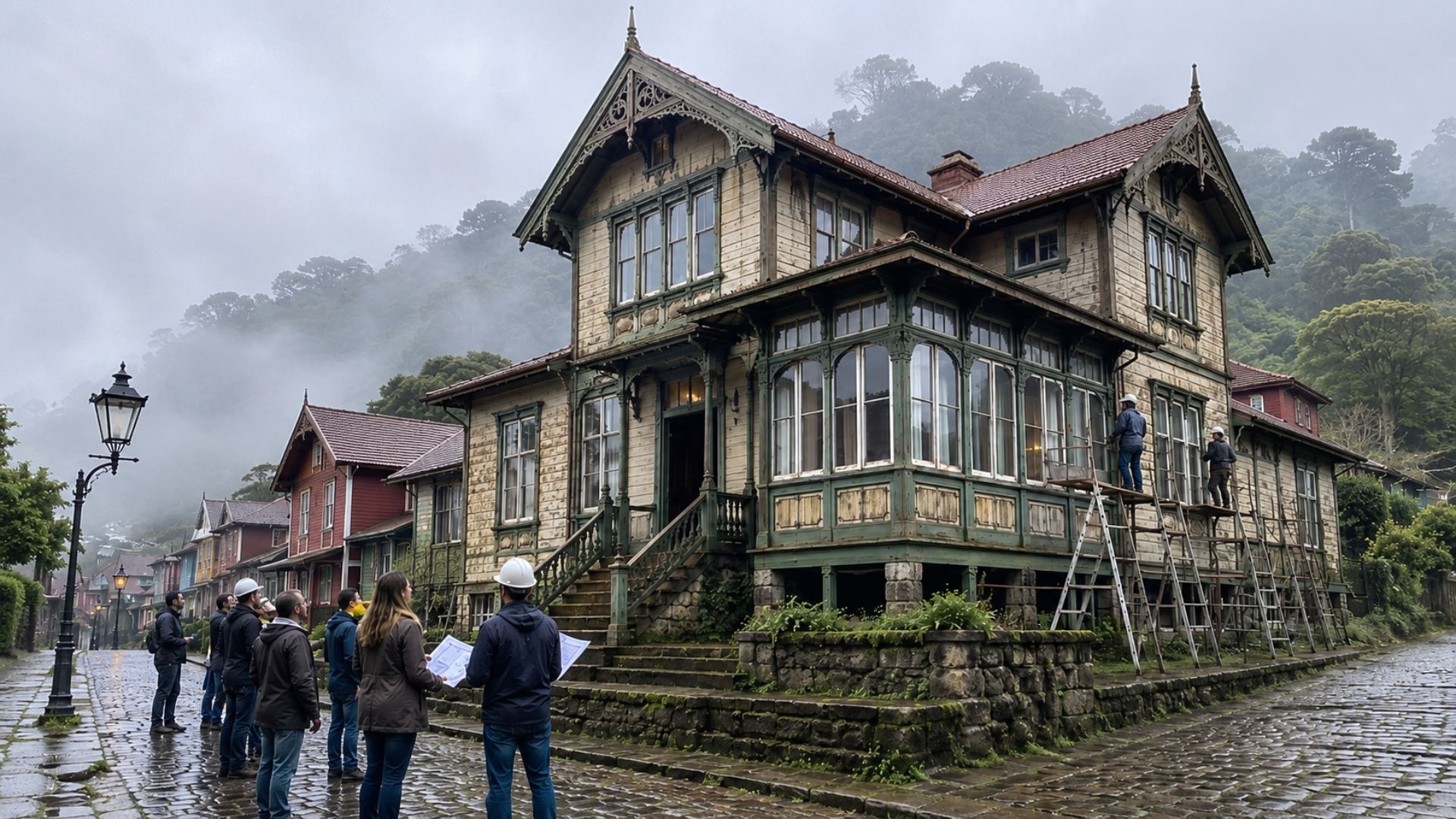
English Village in São Paulo will have 34 more homes restored with an investment of R$ 11.7 million, but there is a requirement that prevents traditional renting and makes residents compete for historic houses through public bidding.

-
Brutal 6×4 motorhome by Serro carries an entire car on the back of the truck, has 320 horsepower, and runs 100% on diesel, even in the toilet that incinerates waste and turns it into powder.
-
A paint capable of directing heat straight into space makes an object cooler than its own shadow even under scorching sun and without using a single watt, and a YouTuber decided to apply it to his own clothes to face the summer.
-
Engineers want to carve through Africa with a giant canal to bring water from the world’s second-largest river to a dying lake on the edge of the Sahara Desert that has already lost 90% of its water.



The Role Of High-End Developments
One of the milestones of this turnaround was the launch of residential complexes such as Brava Home Resort, which incorporate complete leisure areas, artificial pools, gyms, 24-hour security, and contact with nature. These projects attracted high-income families, who saw an opportunity to live a quality coastal life while being close to major centers like Balneário Camboriú.
Public Infrastructure And Urban Planning
The transformation is also due to actions taken by the public authorities. The municipality invested in strategic projects such as the binational road of Praia Brava, which involved over R$ 18 million in investments to improve the flow of vehicles and pedestrians.
Moreover, the Tourist, Economic, And Sustainable Development Plan (PLANDETURES) promoted actions focused on the ordered growth of the region, prioritizing quality tourism, social inclusion, and environmental preservation.
Million-Dollar Lands In Brazil: An Expanding Trend
The case of Itajaí is not unique. In several Brazilian regions, especially along the coast and in metropolitan areas, there has been strong appreciation in recent years. Places that were once seen as affordable alternatives are now among the most expensive square meters in the country.
According to data from FipeZap in 2024, some beach cities in Santa Catarina, such as Balneário Camboriú, Itapema, and Itajaí itself, have million-dollar lands in Brazil with prices higher than major capitals like Rio de Janeiro and Brasília. This phenomenon is explained by a combination of factors:
- Growth Of Luxury Tourism;
- Demand For Second Homes;
- Increased Demand For Quality Of Life Post-Pandemic;
- Qualified Urban Infrastructure And Security.
Appreciated Lands: Opportunities And Risks For Investors
The jump in land value attracted investors from all over the country. Those who bought land for R$ 50 thousand 15 or 20 years ago now deal with properties that exceed R$ 3 million. The return on investment is immensely high — and virtually unparalleled in the traditional financial market.
However, this accelerated appreciation also imposes challenges. Uncontrolled real estate speculation can create price bubbles, hamper access to housing for the local population, and increase social inequality. Therefore, experts recommend carefully evaluating factors such as zoning, liquidity, and real demand before investing in urban lands.
Furthermore, rapidly growing areas need public policies that prevent gentrification — meaning the displacement of long-time residents due to rising prices and the cost of living.
The Social And Urban Impact Of Real Estate Growth
The development of Praia Brava demonstrates how urbanization can be positive when there is a balance between market interests and the rights of the population. The creation of private schools, commercial centers like BravaMall, medical clinics, and tree-lined parks has helped turn the area into a complete service hub.
On the other hand, the traditional community of the area — composed of fishermen, small merchants, and longtime residents — feels the effects of growth. Many sell their properties for high values, but end up displaced to more distant neighborhoods, where services are scarcer.
The city hall of Itajaí and local companies have been seeking ways to reverse this scenario. PLANDETURES itself envisions social actions aimed at vocational training, support for micro-entrepreneurs, and promoting sustainable tourism, to keep the local identity alive even amid modernization.
Comparative With Other Regions That Underwent Real Estate Booms
The appreciation recorded in Itajaí resonates in other Brazilian cities that have seen lands appreciate far above the national average.
A notable example is the Campeche neighborhood in Florianópolis, where the square meter jumped from R$ 2,000 to over R$ 10,000 between 2010 and 2024. The same occurs in upscale neighborhoods in São Paulo, like Vila Leopoldina and Vila Madalena, and in regions of Serra Gaúcha, such as Gramado.
These places have in common:
- Accelerated Urban Development;
- Environmental Preservation With Tourist Appeal;
- Migration Of Families Seeking Quality Of Life;
- Government Incentives And Public-Private Partnerships.
In all cases, there is a pattern: lands that were worth a motorcycle or were undervalued have become extremely valuable assets.
What This Real Estate Appreciation Reveals About The Future Of Cities?
More than an impressive statistic, the case of Praia Brava reflects changes in people’s behavior, the market, and society. The search for well-being, safety, access to nature, and good infrastructure has become a priority for many families — and consequently, for the market.
For those looking to invest, it is worth observing regions with similar characteristics: developing infrastructure, proximity to urban centers, tourism potential, and public support for sustainable growth. These factors are precursors to a possible new cycle of appreciation.
At the same time, it is essential for public managers to be attentive to the social and environmental impacts of this growth. The success of a neighborhood should not be measured solely by the value of its properties but also by the quality of life it provides to all of its residents.
The story of lands that were worth a motorcycle and are now synonymous with wealth and status reveals much more than simple market appreciation: it shows the importance of planning, long-term vision, and well-structured public policies.




Be the first to react!