Portuguese
  Spanish


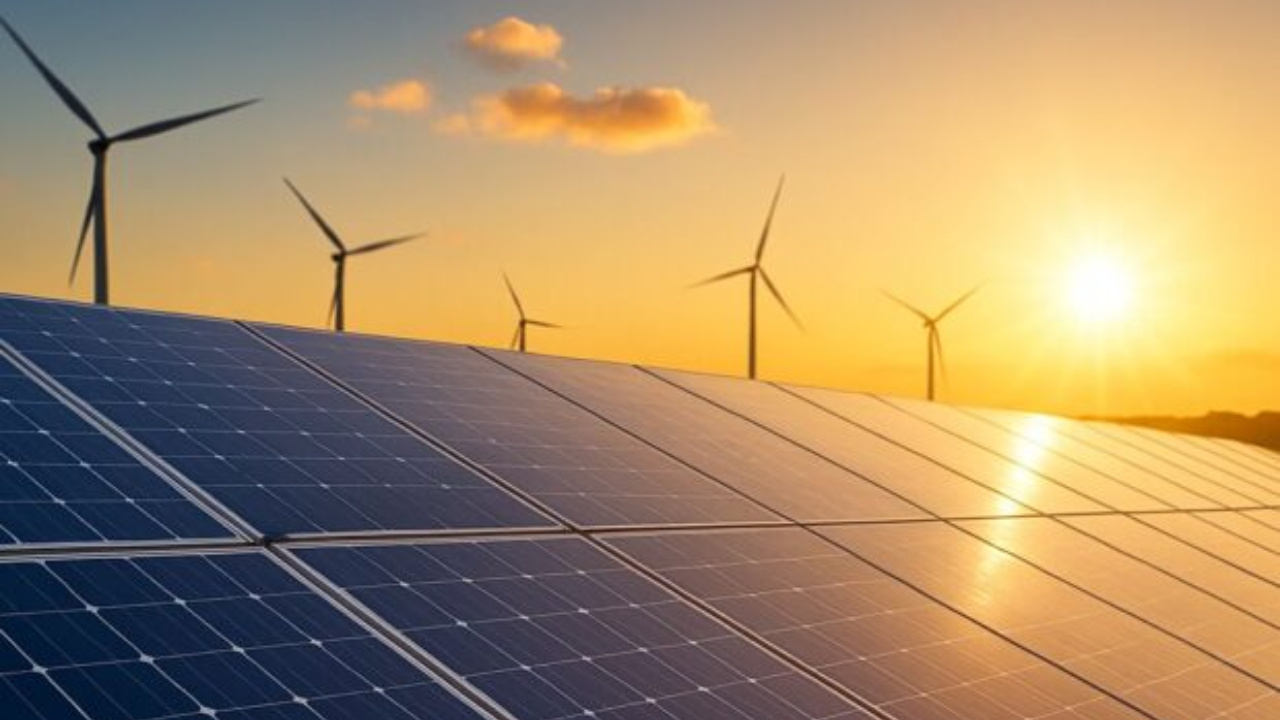

With the Increase of Distributed Generation, ONS Presented to ANEEL an Emergency Plan to Manage Energy Surpluses and Prevent Overload in the National Interconnected System (SIN). The Measure Seeks to Preserve the Balance Between Load and Generation.
The advancement of distributed generation in Brazil — mainly driven by solar systems and small hydropower plants — has brought new challenges for the balance of energy in the National Interconnected System (SIN). In light of this scenario, the National Electric System Operator (ONS) sent to the National Electric Energy Agency (ANEEL), last Friday (31), an Emergency Plan for Managing Energy Surpluses.
The proposal arises as a preventive response to the increasing risk of overload and excess energy supply in the networks, which can compromise system stability and cause cascading disconnections. According to ONS, the goal is to establish clear guidelines to handle critical situations when traditional control measures are no longer sufficient to balance national electric operation.
Emergency Plan Prioritizes Safety and Control of Energy Supply
The new plan presented by ONS aims to ensure the stability of SIN, even amid the rapid expansion of decentralized generation sources. Among the proposed measures, the temporary management of Type III Plants — small generating units connected to the distribution network, such as small hydropower plants (PCHs) — stands out.
-
USP researcher creates thesis to attract international funds for the country’s electric energy sector

-
Trafigura receives authorization from ANEEL to trade electricity in Brazil and expands its operations in the largest energy market in Latin America.
-
Mobile solar panels promised to share space with corn crops, but the 20% to 25% shade reduced production by an average of 7.7% and opened a new dispute between energy and food.
-
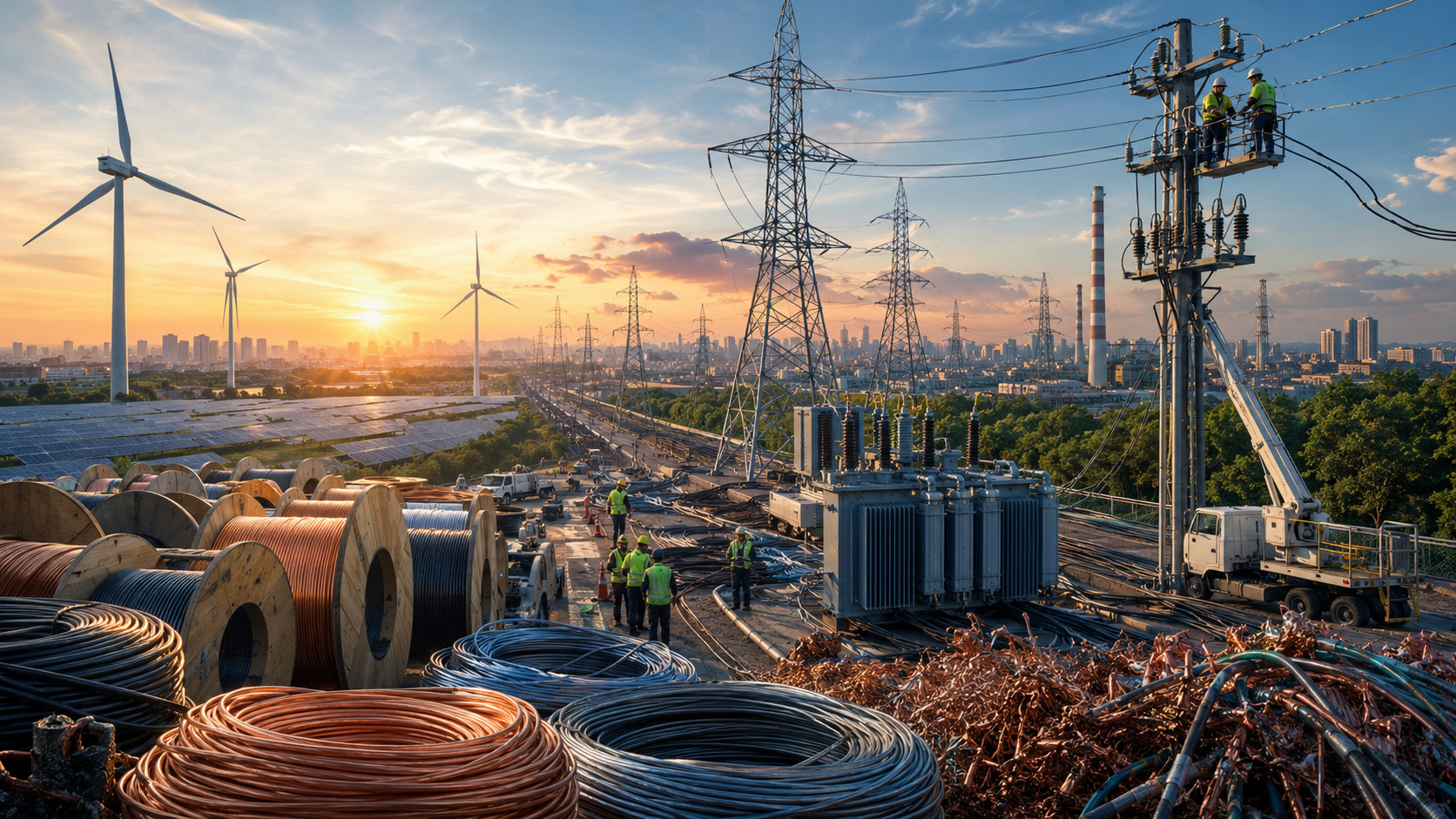
More than 80 million kilometers of wires need to be replaced by 2040: the energy transition doesn’t just depend on panels and electric cars, but on a colossal race for copper, aluminum, transformers, and recycling of old cables.


These plants, typically small, may have their energy production reduced in a controlled manner during emergencies, preventing overload of lines and maintaining the balance between load and generation. Although ONS does not have direct control over these units, the plan provides for coordination mechanisms with distributors and generators, allowing for quick adjustments when necessary.
The measure is considered a last resort action, to be applied only when no viable operational alternatives exist. In other words, it is an emergency resource designed to protect the integrity of the national electric system, especially during periods of high generation and low consumption.
ONS Reinforces the Importance of System Stability
According to Christiano Vieira, director of Operations at ONS, the plan is essentially preventive and technical. “This exceptional measure preserves the balance between load and generation and ensures the stability of the National Interconnected System (SIN). In the current scenario of distributed generation expansion, this care is essential to ensure the continuity of energy supply and avoid risks to system operation,” stated the executive.
ONS has observed a significant increase in the participation of decentralized sources in the electricity matrix, mainly with the accelerated growth of distributed solar generation in recent years. This change, while positive for sustainability, requires new control and planning strategies, as renewable energy production is more variable and depends on climatic factors.
Challenges of Energy Balance in Times of Transition
With the expansion of distributed generation, the Brazilian electric system faces a new operational paradigm. The flow of energy, previously unidirectional — from large plants to consumers — has become more complex, with thousands of small producers injecting energy into the grid.
This phenomenon has required a higher degree of coordination between ONS, distributors, and independent generators, especially during periods of low demand and high production, such as on intensely sunny days or during strong winds in regions hosting wind farms.
The emergency plan presented seeks precisely to prevent instabilities and preserve the operational safety of SIN, avoiding interruptions that could impact energy supply on a large scale. Thus, Brazil anticipates the challenges of an increasingly diversified matrix, combining efficiency, technology, and sustainability.