Portuguese
  Spanish


ChatGPT is set to enter a new phase with programming, automation, and intelligent agents, as OpenAI expands its corporate strategy.
OpenAI is preparing the biggest overhaul of ChatGPT since its launch in 2022, with a change that could transform the chatbot into a true artificial intelligence superapp.
The strategy, revealed by the Financial Times in June 2026, shows that the company wants to go beyond traditional conversations and create a broader, integrated platform focused on productivity.
Valued at around $850 billion, the company is seeking new sources of growth before a possible IPO, while expanding its presence among corporate clients.
-
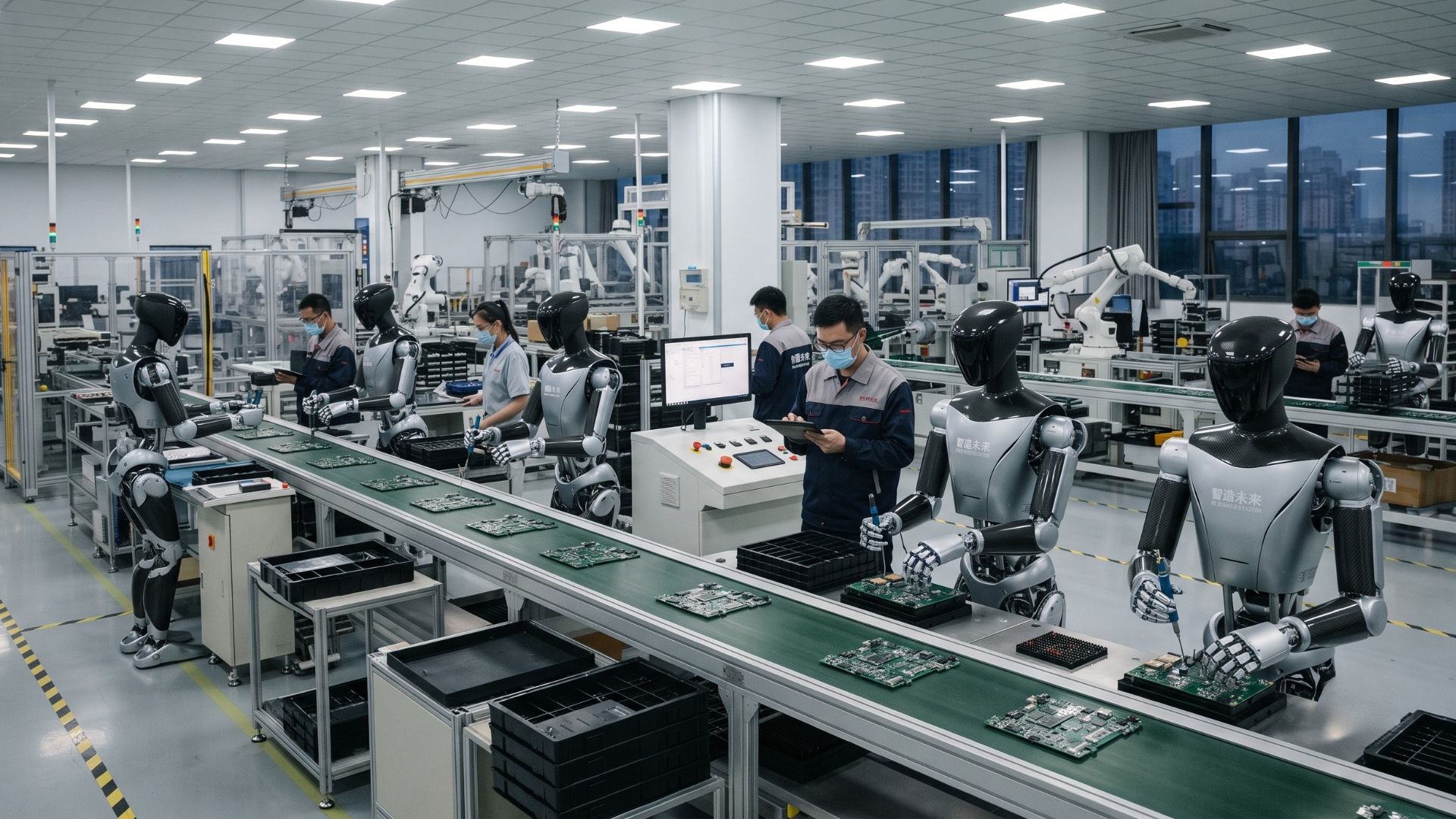
Humanoid Robots Begin Replacing Workers in Repetitive Roles as Companies Accelerate Industrial Automation

-
Humanoid Robots Begin Replacing Factory Workers in China, Working 64-Hour Shifts and Driving Industrial Automation Forward

-
Miniature Nuclear Reactor to Be Installed in South Wales, Powering 20,000 Homes and Reviving UK’s Nuclear Industry After Nearly 50 Years
-
San Andreas Fault Reaches “Highest Tension in 1,000 Years,” Raising Fears of the “Big One,” but New Study Identifies Key Zone Near Los Angeles Influencing Earthquake Impact




The new focus involves AI agents, programming tools, task automation, and integration with external services.
According to Reuters, this move reinforces OpenAI’s attempt to demonstrate its ability to generate large-scale revenue before an eventual stock market debut.
Overhaul puts ChatGPT into a new phase
The change represents a significant shift in the current model of ChatGPT.
Until now, the tool has been primarily known as a conversational chatbot, used to answer questions, create texts, and support day-to-day tasks.
The new phase, however, is expected to transform the platform into an environment capable of performing more complex tasks, with the support of intelligent agents.
According to Thibault Sottiaux, the executive who led Codex and now heads OpenAI’s products and platforms, the company is working on a system with a personal agent.
This agent will be able to assist users in professional and personal activities, as stated to the Financial Times.
Internal sources heard by the newspaper indicate that the company has started targeting more profitable corporate clients, especially in light of the competition with Anthropic.
AI agents are expected to gain more space in ChatGPT
The overhaul is expected to begin in the coming weeks, with changes to the website and app interfaces.
The new design will guide users to external partner tools and more advanced resources within the platform.
The proposal is to make ChatGPT function as more than just a conversation window.
The platform is expected to highlight features capable of automating tasks, supporting workflows, and connecting services in a single environment.
According to the Financial Times, a senior employee stated that “chat is dead”, referring to the new stage of artificial intelligence.
The phrase summarizes the internal view that the future of the sector lies in systems capable of acting, executing tasks, and delivering more complete results.


Codex becomes the centerpiece of OpenAI’s strategy
The Codex, OpenAI’s software development tool, will be one of the main pillars of this new phase.
According to data released by the company itself, Codex has surpassed 5 million weekly active users.
The user base has grown more than six times since February 2026, driven by the launch of the desktop version.
Although developers are still the main audience, knowledge workers already represent about 20% of users.
This advancement shows that Codex is also starting to be used in reports, spreadsheets, presentations, contracts, and automations.
Corporate revenue gains priority in the company
Currently, about 2 million companies use OpenAI’s services.
The corporate segment accounts for approximately 40% of the company’s revenue.
The internal expectation is that this share will reach 50% by the end of the year, strengthening the weight of business solutions in the company.
To accelerate this transition, OpenAI unified its product teams under the leadership of Thibault Sottiaux.
The internal reorganization accompanies the company’s new commercial direction.
Some initiatives aimed at the end consumer were terminated or reduced in this process.
The company canceled an in-app purchase feature in ChatGPT and discontinued the video generator Sora, launched less than a year before.
Competition with Anthropic pressures the new shift
The change brings OpenAI closer to the strategy of Anthropic, a rival that also bets on corporate monetization and tools for businesses.
The potential IPO increases the pressure for clearer and more predictable financial results.
According to Reuters, Sam Altman informed employees that OpenAI expects to go public within the next year.
The transformation of ChatGPT into a super app, therefore, does not just represent a visual change.
It is a commercial shift to increase revenue, strengthen Codex, and place AI agents at the center of the platform.
The future of ChatGPT seems less tied to simple conversation and more connected to executing complete tasks within an intelligent ecosystem.
What changes for users and businesses?
The new phase may make ChatGPT a more present tool in work, programming, and routine automation.
Companies should gain more resources to integrate artificial intelligence into their internal processes.
Ordinary users will also be able to find new ways to use digital agents in personal and professional tasks.
The big question now is how OpenAI will balance growth, ease of use, and revenue pressure before a possible IPO.
Do you think ChatGPT should remain simple as a chatbot or become a complete AI platform for everyday tasks? Share your opinion!